






What's Happening?
Governor Maura Healey has issued an executive order requiring local approval and community benefit agreements for all new data center projects in Massachusetts. This order stipulates that proposed data centers must secure consent from host communities
before proceeding with state permitting. The initiative aims to ensure transparency, protect public health, and safeguard the environment, particularly in light of concerns raised by residents in Lowell regarding the environmental impact of data centers. The order also prohibits non-disclosure agreements between state agencies and data centers to foster a transparent approval process. Data centers with peak electricity demands exceeding 25 megawatts must adhere to the administration's framework, which includes procuring or developing their own energy resources to avoid increasing costs for ratepayers and straining the electric grid. Additionally, these facilities must be located where sufficient water, wastewater, and infrastructure capacity exist, and they must minimize air emissions. The order also establishes a 'Ratepayer Protection Fund' for data centers unable to generate sufficient clean energy, with payments directed back to ratepayers.
Why It's Important?
This executive order marks a significant shift in how Massachusetts approaches data center development, prioritizing community input and environmental protection over unchecked expansion. The move is particularly important given the increasing energy demands of the artificial intelligence boom and the potential strain on existing infrastructure and resources. By requiring local approval and community benefit agreements, the state aims to empower communities to negotiate terms that address their specific concerns, such as air pollution, noise, and energy costs. The establishment of the Ratepayer Protection Fund is crucial for mitigating the financial burden on residents, ensuring that data centers contribute to, rather than detract from, energy affordability. This proactive stance by Massachusetts could serve as a model for other states grappling with similar issues, especially as 15 other states are reportedly considering moratoriums on data center development. The order also highlights the broader challenge of balancing technological advancement with sustainable development and community well-being.
What's Next?
The Massachusetts Department of Environmental Protection is tasked with developing an alternative compliance payment mechanism by December 31 for data centers that do not procure sufficient incremental clean electricity. These payments will be credited to the Ratepayer Protection Fund. Concurrently, the Executive Office of Energy and Environmental Affairs and the Executive Office of Economic Development will publish guidance for municipalities by December 31 to assist them in evaluating proposed data center projects and engaging with developers. The governor's administration has paused applications for data center tax incentives and has not yet indicated when they will resume. The Senate's energy affordability bill, which includes similar guardrails for data center tax benefits, remains in conference committee. The long-term impact of this order will depend on its implementation and the willingness of data center developers to comply with the new regulations and engage constructively with local communities.
Beyond the Headlines
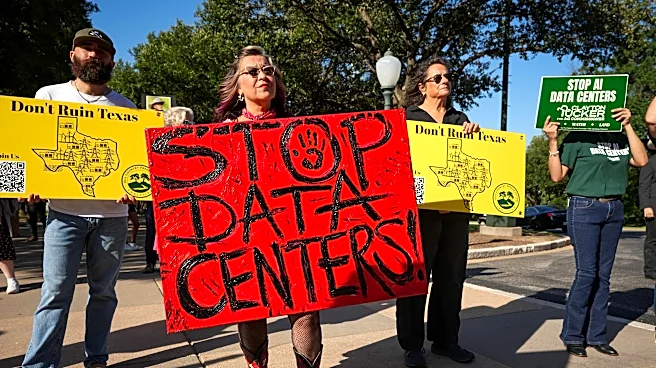
This executive order delves into the complex interplay between technological progress, environmental justice, and local governance. The case of Lowell, where residents sued the Massachusetts Department of Environmental Protection over a 'flawed air quality plan' for a data center, underscores the ethical and social dimensions of large-scale infrastructure projects. The order implicitly acknowledges that the benefits of technological advancements, such as AI, must not come at the expense of community health and environmental integrity. It also highlights a growing trend of states asserting more control over development that has significant local impacts, moving away from a purely state-level or industry-driven approach. The emphasis on transparency and community involvement could foster a more equitable distribution of the benefits and burdens associated with technological growth, potentially setting a precedent for how states manage the environmental and social footprint of emerging industries.