








What's Happening?
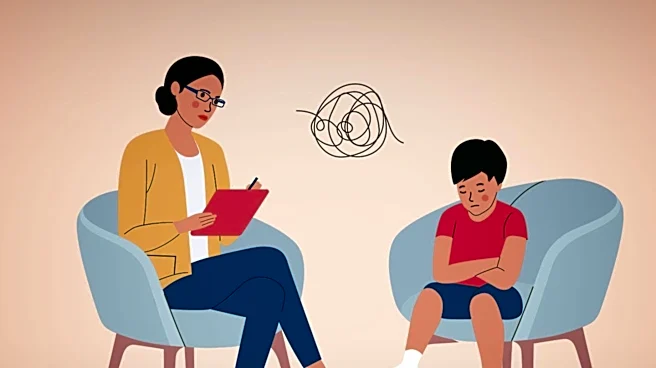
Anxiety, defined as a persistent and overwhelming feeling that interferes with daily life, is a highly treatable condition. It is a natural human response to stress, but when it becomes overwhelming, it can develop into an anxiety disorder. Therapy is recognized
as an incredibly effective method for treating anxiety, moving beyond symptom masking to identify root causes and provide lifelong management tools. Cognitive Behavioral Therapy (CBT) is considered the gold standard, focusing on identifying, understanding, and changing negative thinking and behavior patterns, such as cognitive distortions like catastrophizing. Exposure therapy, a form of CBT, gradually exposes individuals to anxiety triggers in a safe environment to build confidence and reduce fear. Mindfulness and relaxation techniques, including deep breathing and progressive muscle relaxation, are also taught to help ground individuals during anxiety spikes. Online therapy has emerged as a convenient option, allowing individuals to receive professional help from their homes, which can be particularly beneficial for those whose anxiety is triggered by clinical environments.
Why It's Important?
The effectiveness of therapy in treating anxiety is crucial for public health and individual well-being. Untreated anxiety can significantly impair daily functioning, relationships, sleep, and work performance, leading to a diminished quality of life. By addressing the root causes and providing practical tools, therapy empowers individuals to regain control over their mental health. The emphasis on evidence-based approaches like CBT and exposure therapy ensures that treatments are scientifically validated and effective. The rise of online therapy further democratizes access to mental healthcare, removing geographical barriers and reducing the stigma often associated with seeking in-person treatment. This accessibility is vital for ensuring that more people receive the help they need, contributing to a healthier and more productive society. Moreover, equipping individuals with lifelong coping mechanisms fosters resilience against future stressors.
What's Next?
Individuals experiencing anxiety that interferes with their daily life are encouraged to seek professional therapy. The process typically begins with an assessment to determine the most appropriate therapeutic approach, often involving CBT or exposure therapy. Continued advancements in digital health platforms are likely to further enhance the accessibility and personalization of online therapy services. Research will continue to refine therapeutic techniques and explore integrated approaches that combine therapy with other wellness strategies. The focus will remain on empowering individuals with practical, sustainable tools for managing anxiety, promoting a proactive approach to mental well-being. As mental health awareness grows, there will likely be increased integration of these therapeutic strategies into broader healthcare systems and community support programs.
Beyond the Headlines
The understanding and treatment of anxiety extend beyond clinical settings into broader societal implications. The recognition that anxiety is a treatable condition, rather than a personal failing, helps to destigmatize mental health issues. This shift encourages more open conversations and reduces barriers to seeking help. The emphasis on identifying and reframing cognitive distortions in CBT highlights the powerful connection between thoughts, emotions, and behaviors, offering insights into human psychology that can be applied in various aspects of life. Furthermore, the integration of mindfulness and relaxation techniques underscores a holistic view of health, acknowledging the interplay between mental and physical states. These therapeutic advancements contribute to a more compassionate and informed society, where mental well-being is prioritized alongside physical health, fostering greater empathy and support for those struggling with anxiety.