





What's Happening?
The Ohio Democratic Party has issued a new memo criticizing Jon Husted, labeling him the 'face of data centers,' for his role in bringing numerous power-hungry data centers to Ohio, which they claim has led to a significant increase in electricity rates
for residents. According to the memo released on August 19, 2026, Husted, while serving as Lt. Governor, spearheaded efforts to provide billions in tax breaks to out-of-state corporations establishing these data centers. The Ohio Democratic Party's Senior Communications Advisor, Tony Wen, stated that Husted is now facing consequences for his 'toxic record' as Ohio has experienced the second-largest utility rate increase in the country over the past year. The Plain Dealer reportedly referred to Husted as 'a data center’s best friend' for his extensive support of these corporations.
Why It's Important?
This criticism from the Ohio Democratic Party is important because it highlights a significant economic and political issue impacting Ohio residents: rising utility costs. The accusation that Jon Husted's policies, particularly those encouraging data center development, directly contributed to soaring electricity rates could become a central theme in upcoming political campaigns. For Ohioans, the increased utility bills represent a tangible financial burden, potentially affecting household budgets and the overall cost of living. For businesses, especially those reliant on stable energy prices, the volatility in electricity rates could impact operational costs and competitiveness. This situation also brings into question the balance between economic development incentives, such as tax breaks for corporations, and their potential long-term consequences for public utilities and consumer expenses. The debate over data centers and energy policy could shape future legislative priorities and public discourse in Ohio.
What's Next?
With the election approximately three months away, the Ohio Democratic Party is expected to continue using Jon Husted's record on data centers and utility rates as a key campaign issue. They will likely emphasize the financial impact on Ohio families and businesses, aiming to hold Husted accountable. Husted, who is reportedly 'suddenly positioning himself as the guy who’s going to rein them in,' will likely attempt to counter these criticisms by either defending his past actions or proposing new solutions to address the rising electricity costs. This political maneuvering will intensify as both sides vie for public support. The outcome of this debate could significantly influence voter sentiment and the results of the upcoming election, potentially leading to shifts in Ohio's energy policy and economic development strategies.
Beyond the Headlines
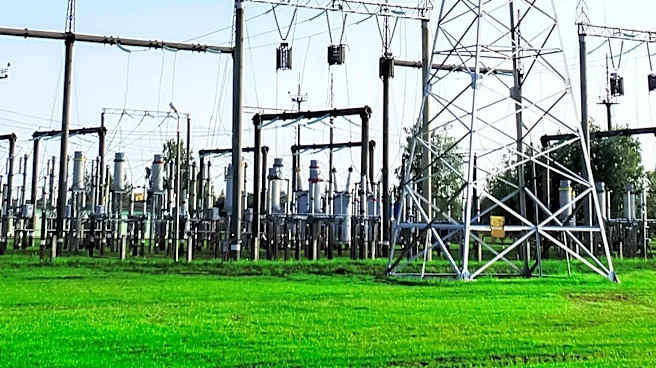
The controversy surrounding data centers in Ohio extends beyond immediate political implications, touching upon broader issues of energy consumption, infrastructure, and environmental sustainability. Data centers are known for their substantial power requirements, and a rapid influx of such facilities can strain existing energy grids, potentially leading to increased demand and higher prices. This situation in Ohio could serve as a case study for other states considering similar economic development strategies, prompting a re-evaluation of the long-term costs and benefits of attracting energy-intensive industries through tax incentives. Furthermore, the debate highlights the tension between fostering technological growth and ensuring affordable, reliable energy for all citizens. It also raises questions about the environmental footprint of large-scale data operations and the need for sustainable energy solutions to support such growth without unduly burdening local populations or the environment.