

What's Happening?
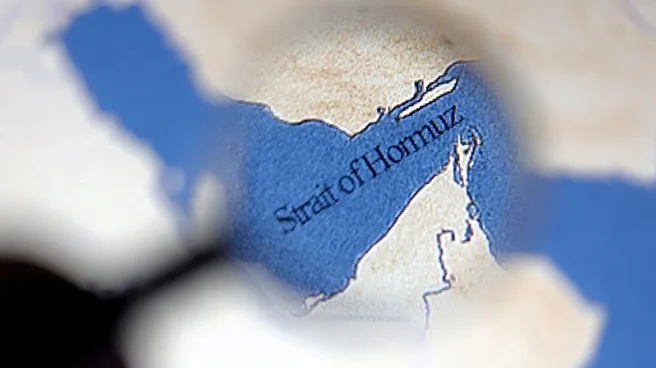
A coalition of 22 countries has formed to address the partial blockade of the Strait of Hormuz by Iran, which has been threatening commercial vessels in the region. The latest countries to join the coalition are Australia and the United Arab Emirates,
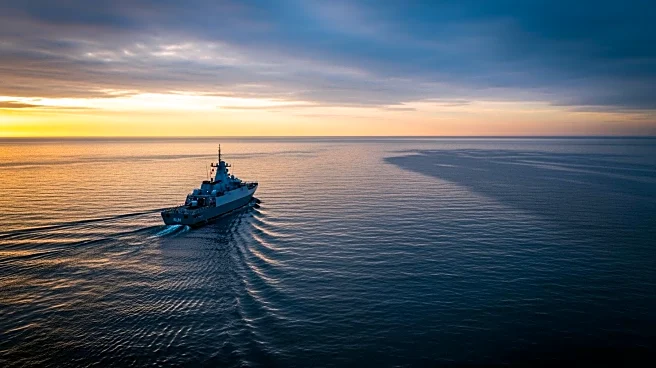
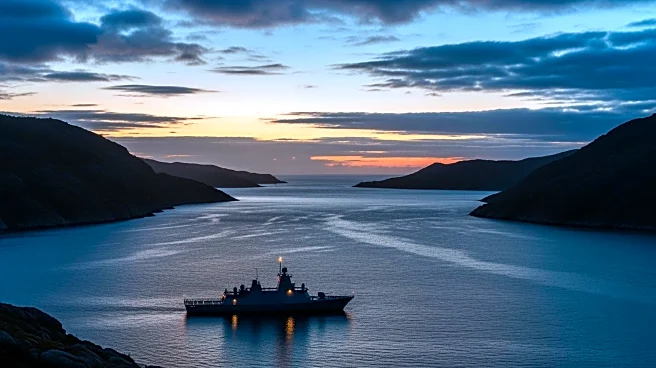
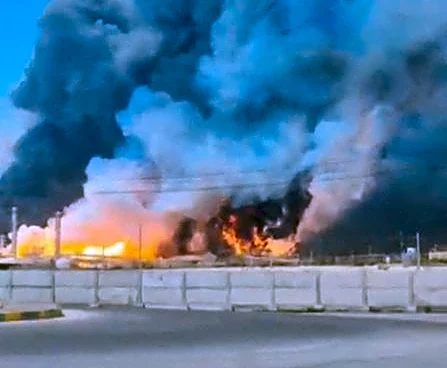
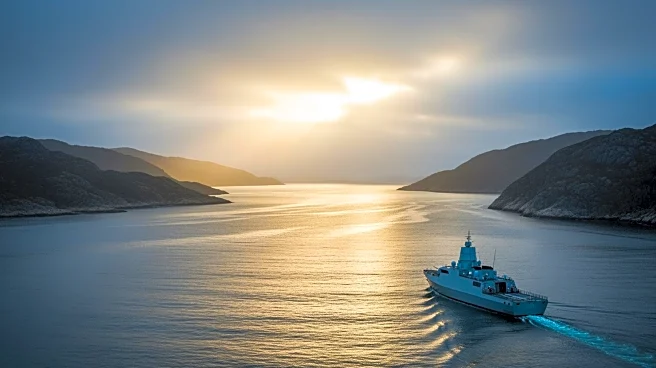
adding to a list that includes the UK, France, Germany, Italy, the Netherlands, and Japan. The coalition has issued a statement condemning Iran's actions, which include attacks on unarmed commercial vessels and civilian infrastructure. The Strait of Hormuz is a critical corridor for global oil shipments, and the blockade could significantly impact global oil supplies, as nearly 20% of the world's oil passes through this route. The coalition has expressed readiness to contribute to efforts ensuring safe passage through the strait, although specific measures have not been detailed.
Why It's Important?
The blockade of the Strait of Hormuz by Iran poses a significant threat to global oil markets, as it could remove a substantial portion of oil supplies from the market, particularly affecting Asian countries that rely heavily on these shipments. The coalition's efforts to ensure safe passage are crucial to maintaining stability in global oil prices and preventing economic disruptions. The situation also highlights the geopolitical tensions in the region, with Iran's actions potentially leading to increased military presence and conflict. The involvement of multiple nations underscores the international community's concern over Iran's aggressive stance and the need for a coordinated response to maintain open and secure shipping lanes.
What's Next?
The coalition is likely to engage in further diplomatic and possibly military planning to ensure the security of the Strait of Hormuz. This could involve naval escorts or other protective measures for commercial vessels. The situation may also prompt further international negotiations with Iran to de-escalate tensions and find a peaceful resolution. The response from Iran and its allies will be critical in determining the next steps, as any escalation could lead to broader conflict in the region. The international community will be closely monitoring the situation to prevent further disruptions to global oil supplies and ensure regional stability.