
What's Happening?
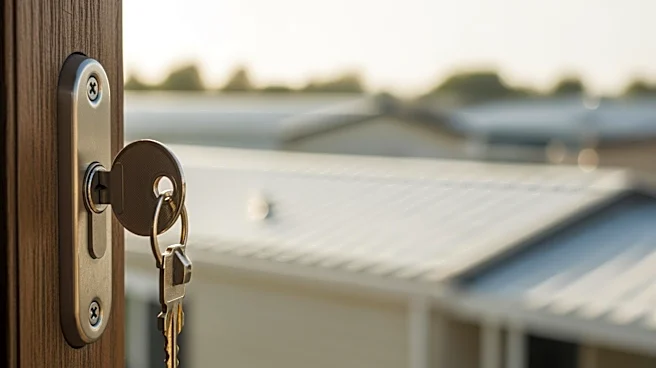
Private equity firms and large investment companies are increasingly acquiring mobile home communities across the United States, leading to significant rent increases for residents. At Smoky Palms North
in Clinton, Tennessee, rents more than doubled under new corporate ownership, with one resident, Lillian Goins, reporting her rent increased from $275 to $650. This trend is part of a broader pattern where institutional investors have increased their share of manufactured housing community purchases from 13% in 2017-2019 to 23% by 2021. The rent hikes are justified by owners as necessary to bring rates closer to market levels, but they pose financial challenges for residents, many of whom are on fixed incomes. Senator Maggie Hassan of New Hampshire has initiated an investigation into the practices of major investment firms in New England mobile home parks, seeking to ensure fair rent and safe living conditions for residents.
Why It's Important?
The acquisition of mobile home parks by corporate investors and the subsequent rent increases have significant implications for affordable housing in the U.S. Manufactured homes are a critical source of affordable housing for approximately 22 million Americans. The rising rents threaten the financial stability of residents, particularly those on fixed incomes, and could lead to increased displacement. The situation highlights the tension between corporate profit motives and the need for affordable housing solutions. The investigation by Senator Hassan and similar actions by other lawmakers could lead to increased regulatory scrutiny and potential policy changes aimed at protecting residents from excessive rent hikes and ensuring fair treatment.
What's Next?
The ongoing investigation by Senator Hassan and the actions of other lawmakers like Senator Elizabeth Warren, who has also requested data from corporate landlords, could result in legislative or regulatory changes. These efforts aim to address the impact of corporate ownership on rent levels and living conditions in mobile home communities. The outcome of these investigations could influence future investment practices and potentially lead to new protections for residents. Additionally, the response from corporate owners to these inquiries and any subsequent policy changes will be critical in shaping the future landscape of manufactured housing in the U.S.