








What's Happening?
Newfoundland and Labrador has consolidated its nursing regulation by merging the College of Registered Nurses and the College of Licensed Practical Nurses into the NL College of Nurses. This move aims to modernize healthcare regulation, streamline administration,
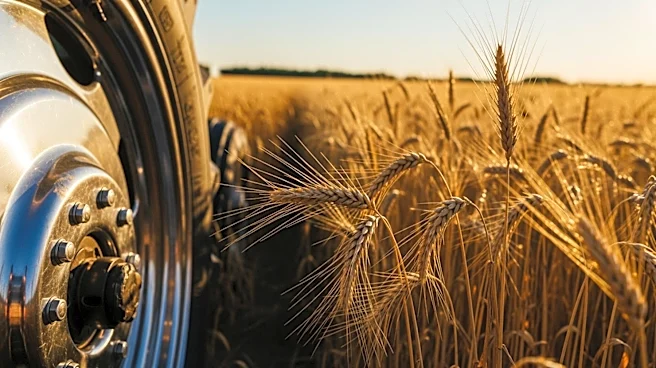
and maintain consistent professional standards across the province. The merger is expected to reduce administrative duplication and improve operational efficiency, benefiting practicing nurses with clearer communication channels and simplified licensing processes. Simultaneously, the province's agriculture sector is facing significant challenges due to environmental pressures and geopolitical disruptions. Advocates are calling for increased provincial government support to address these issues, which threaten supply chains and increase input costs for farmers.
Why It's Important?
The consolidation of nursing regulatory bodies in Newfoundland and Labrador represents a significant step towards modernizing healthcare regulation, potentially serving as a model for other provinces. It aims to enhance patient safety and professional standards while reducing costs. For the agriculture sector, the call for government support highlights the vulnerability of food production to external pressures, emphasizing the need for strategic interventions to ensure food security and protect farmer livelihoods. These developments reflect broader trends in provincial governance, focusing on regulatory efficiency and targeted economic interventions to address sector-specific challenges.
What's Next?
The newly formed NL College of Nurses will focus on maintaining professional standards and improving resource allocation for professional development and complaint handling. In the agriculture sector, advocates are pushing for government relief measures such as subsidized input costs and emergency funding to stabilize operations. The provincial government's response will be crucial in shaping the future of both sectors, influencing healthcare quality and agricultural sustainability. These actions will also impact rural employment and the province's economic resilience.