






What's Happening?
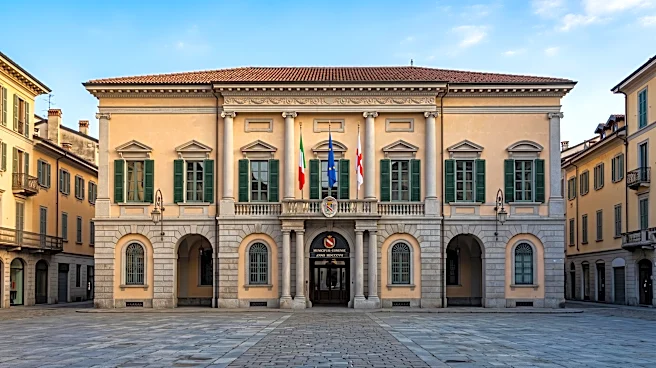
Alessandro Rapinese, the mayor of Como, Italy, has implemented a ban on bicycles within the city's historic walled center, effective September. This decision follows an incident in June where Mayor Rapinese was struck by an electric bicycle while leaving
city hall. The ban requires cyclists, whether on e-bikes or traditional bicycles, to dismount and walk through approximately 30 designated streets. Mayor Rapinese defended the measure as necessary for public safety, particularly in an area frequented by tourists. He stated that his personal experience of being hit by a bicycle influenced his decision, emphasizing that people often act based on their experiences. The ban applies to all types of bicycles because Italian highway code does not differentiate between electric and traditional models. This move expands on previous restrictions, as rented e-scooters were banned from Como's city center in 2022.
Why It's Important?
This local ordinance in Como, Italy, highlights a growing tension in urban planning between promoting sustainable transportation and ensuring pedestrian safety, a debate that resonates in many U.S. cities. While the immediate impact is on residents and tourists in Como, the rationale behind the ban—a personal experience leading to a policy change—could set a precedent or spark similar discussions elsewhere. Critics argue that the ban disproportionately affects delivery riders and local businesses reliant on them, and that it discourages environmentally friendly modes of transport. This situation underscores the challenge for city officials to balance various community needs and interests, from public safety to economic activity and environmental sustainability. The backlash from local groups and politicians, who accuse the mayor of a personal vendetta, illustrates the complexities of implementing such policies and the potential for public dissent when individual experiences drive broad regulations.
What's Next?
The bicycle ban in Como is set to take effect in September. In response, local civic groups, such as Nova Como, have organized a protest bike ride scheduled for mid-September, aiming to challenge the new regulation. Activists have also launched a petition calling for Mayor Rapinese to reverse his decision. Political figures, including Paolo Emilio Russo from the right-wing Forza Italia, have criticized the ban as 'crazy,' while the Como branch of the center-left Democratic party advocates for a mobility system that ensures pedestrian safety without penalizing sustainable transport users. Despite the growing opposition, Mayor Rapinese has indicated he will not reverse the ban, asserting that action is often taken only after more severe incidents occur. The situation suggests ongoing public debate and potential further protests as the implementation date approaches.
Beyond the Headlines
The Como bicycle ban delves into deeper societal implications regarding urban mobility, personal responsibility, and the role of individual experience in public policy. The mayor's justification, rooted in his personal collision, raises questions about the objectivity of policy-making and whether individual incidents should dictate broad regulations. This situation also highlights the broader global trend of cities grappling with the integration of new mobility options like e-bikes and e-scooters into existing infrastructure, often leading to conflicts with traditional pedestrian zones. The debate in Como reflects a tension between modern, eco-friendly transport solutions and the preservation of historic urban environments, which are often characterized by narrow streets and high pedestrian traffic. The outcome of this local dispute could influence how other cities, including those in the U.S., approach similar challenges, particularly concerning the balance between convenience, safety, and environmental goals.