




What's Happening?
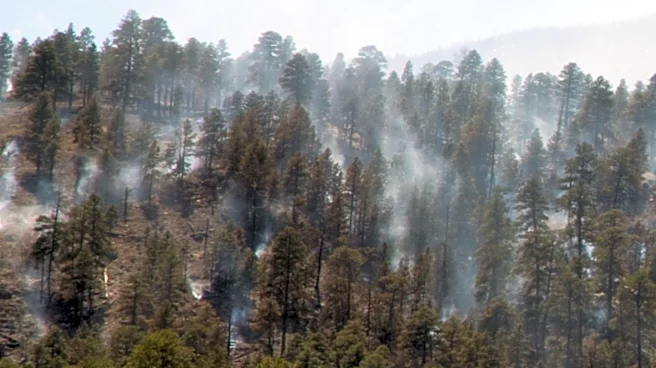
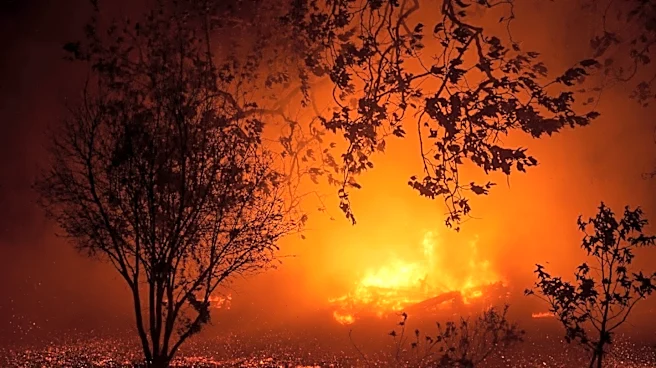
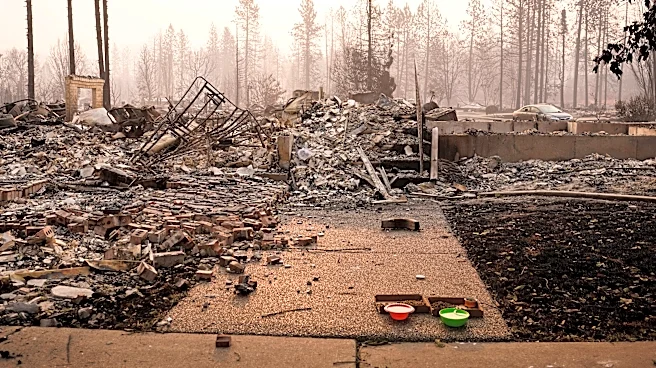
Former Washington Governor Jay Inslee has faced criticism for attributing the recent Spokane wildfires to climate change. Despite the arrest of an arson suspect believed to have started the largest fire, Inslee continues to emphasize the role of climate conditions
in exacerbating the fires. He argues that factors like severe drought and low snowpack have contributed to the fires' intensity. Inslee's comments have sparked backlash, with critics accusing him of exploiting the tragedy to advance a political agenda. The debate highlights ongoing tensions over the role of climate change in natural disasters.
Why It's Important?
Inslee's comments have reignited discussions about the impact of climate change on natural disasters and the appropriate response from political leaders. The controversy underscores the challenges in balancing immediate disaster response with long-term environmental policy. Inslee's stance may influence public perception and policy debates on climate change, particularly in regions prone to wildfires. The incident also reflects broader political divides over environmental issues, with potential implications for future legislative and electoral outcomes.
Beyond the Headlines
The debate over Inslee's comments highlights the complex interplay between environmental science and political discourse. While some experts support the link between climate conditions and wildfire severity, others caution against oversimplifying the causes of such events. The controversy raises questions about the role of political leaders in shaping public understanding of climate issues and the potential for politicization to hinder effective policy solutions. The incident may prompt further examination of how climate change narratives are constructed and communicated to the public.