



What's Happening?
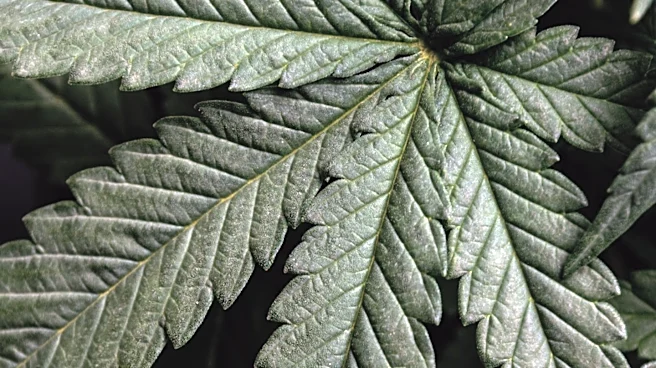
A study published in the Journal of Hydrology reveals that groundwater pumping for cannabis farming in California's Emerald Triangle is significantly impacting streamflow in the region. Researchers from Simon Fraser University, the University of California,
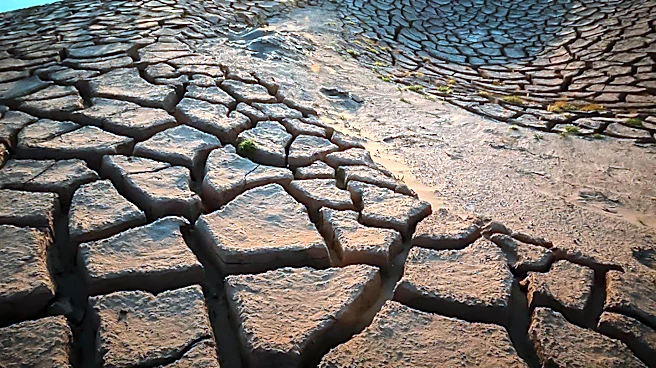
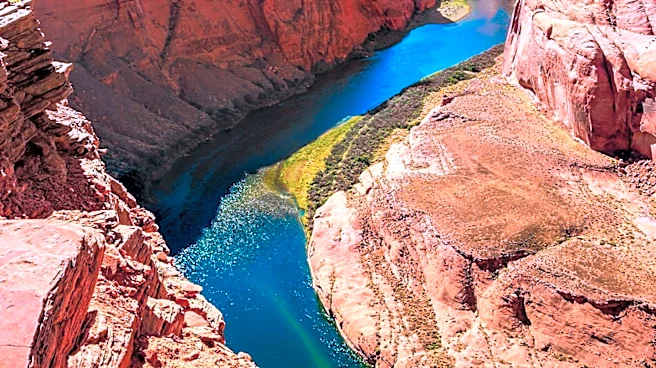
Berkeley, and the USDA found that groundwater extraction can cause streams that typically flow year-round to dry up during summer months. This effect is most pronounced in dry years and in areas with limited underground water storage. The study highlights the interconnectedness of groundwater and surface water systems, emphasizing that increased irrigation demand during heatwaves and droughts exacerbates stress on stream ecosystems.
Why It's Important?
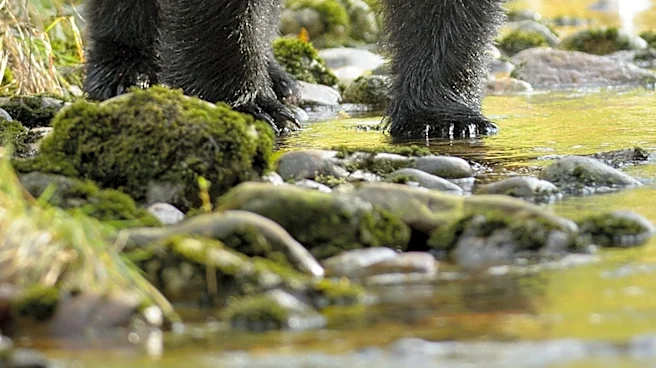
The findings underscore the environmental challenges posed by cannabis cultivation, particularly in regions already vulnerable to water shortages. The reduction in streamflow affects salmon habitats and larger river systems, potentially disrupting local ecosystems and biodiversity. As communities in western North America increasingly rely on groundwater due to climate change, understanding the impact of agricultural practices on water resources becomes crucial. This research provides valuable insights for policymakers and stakeholders to balance agricultural needs with environmental conservation, ensuring sustainable water management practices.
What's Next?
The study's results may prompt regulatory bodies to reassess water usage policies for agriculture, particularly in cannabis-growing regions. There could be increased efforts to develop sustainable irrigation practices and enhance water conservation measures. Policymakers might also consider implementing stricter regulations on groundwater extraction to protect stream ecosystems. Additionally, further research could be conducted to explore alternative water sources and technologies to support agricultural activities without compromising environmental health.