









What's Happening?
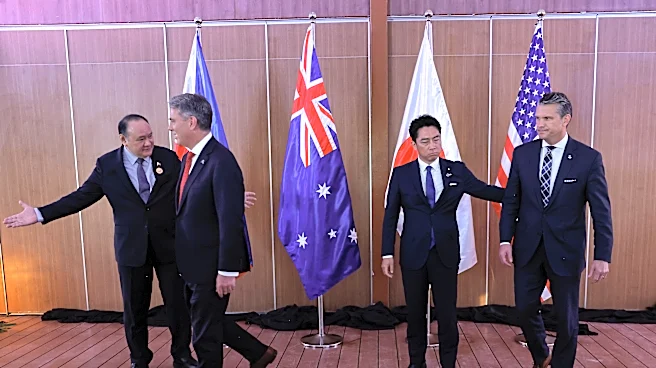
The Philippines and Vietnam have initiated a joint typhoon mitigation project aimed at bolstering their capabilities in disaster preparedness, emergency response, and post-disaster recovery. This agreement was reached between Defense Secretary Gilberto
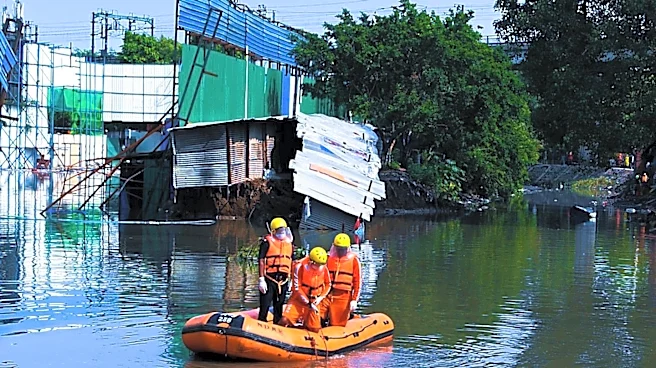
Teodoro Jr. of the Philippines and Vietnamese Deputy Prime Minister and Defense Minister Gen. Phan Van Giang during the ASEAN Defense Ministers' Meeting (ADMM) and ADMM-Plus, held under the Philippines' 2026 ASEAN chairship. Both nations acknowledge their shared vulnerability to natural disasters, particularly typhoons that frequently impact both countries. The initiative seeks to foster closer coordination among their defense establishments, military institutions, and civil defense agencies. A key component of this collaboration is the development of a joint protocol that will cover humanitarian assistance, disaster relief operations, early warning systems, and the strategic pre-positioning of essential resources. Secretary Teodoro emphasized the importance of a proactive, science-based approach to disaster management, highlighting the need for timely information exchange and the availability of supplies before calamities strike.
Why It's Important?
This joint initiative is crucial for enhancing regional resilience against natural disasters, which have significant economic and social impacts. By establishing a coordinated response, the Philippines and Vietnam can mitigate the severe consequences of typhoons, including loss of life, damage to infrastructure, and economic disruption. Improved early warning mechanisms and resource pre-positioning will allow for more effective and rapid humanitarian assistance, reducing the overall recovery time and costs. The collaboration also sets a precedent for regional cooperation in disaster management, potentially encouraging other vulnerable nations to join similar efforts. For the U.S., while not directly involved, regional stability and the capacity of its allies to manage crises are important for broader geopolitical interests and humanitarian aid efforts. The initiative's success could serve as a model for international disaster preparedness frameworks, indirectly benefiting global disaster response strategies.
What's Next?
The Philippines and Vietnam plan to finalize and implement the joint protocol through upcoming meetings, specifically the eighth Philippines-Vietnam Deputy Ministers' Defense Strategic Dialogue and the ninth Defense Cooperation Working Group meetings, both scheduled for the first quarter of 2027. These meetings will be critical in detailing the operational aspects of the initiative, including specific coordination mechanisms and resource allocation. The two defense ministers have also expressed openness to the voluntary participation of other countries, which could further strengthen regional disaster response capabilities. This expansion would broaden the scope of cooperation and potentially lead to a more robust, multi-national framework for addressing natural calamities in Southeast Asia. The initiative builds upon the elevation of bilateral relations to an Enhanced Strategic Partnership and a memorandum of understanding on defense cooperation signed in 2026, indicating a sustained commitment to these efforts.
Beyond the Headlines
The joint typhoon mitigation initiative reflects a deeper understanding of the interconnectedness of climate-related challenges and the necessity of cross-border collaboration. Beyond the immediate benefits of disaster preparedness, this partnership could foster greater trust and interoperability between the defense and civil defense agencies of the Philippines and Vietnam. This enhanced cooperation could extend to other areas of regional security and stability, contributing to a more integrated and resilient ASEAN community. The emphasis on a science-based approach and timely information exchange underscores a shift towards proactive risk reduction rather than reactive crisis management. This strategic foresight is vital in an era of increasing climate variability and extreme weather events, highlighting the long-term implications for national security and sustainable development in the region.