






What's Happening?
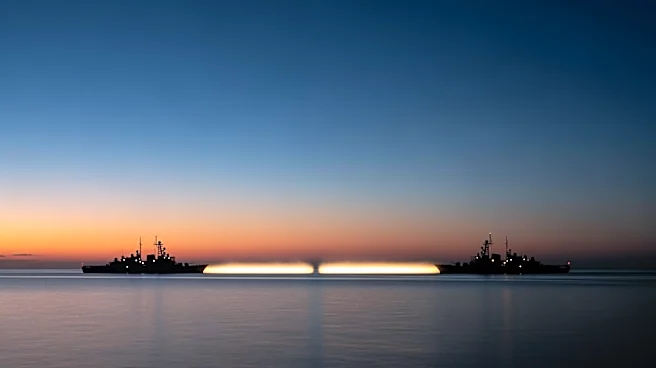
Iran has closed the Strait of Hormuz again, demanding the U.S. lift its blockade of Iranian ports. This move comes after U.S. President Donald Trump expressed optimism about reaching a deal with Tehran. Despite ongoing negotiations, Iran has rejected
claims of agreeing to hand over enriched uranium. The situation remains tense, with the U.S. maintaining its naval blockade and Iran asserting control over the strait.
Why It's Important?
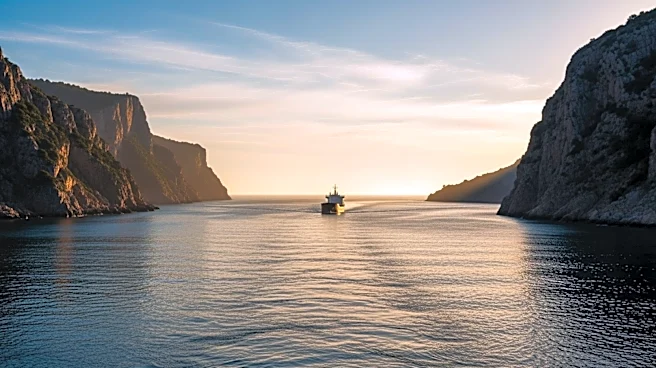
The Strait of Hormuz is a critical chokepoint for global oil transportation, and its closure could disrupt oil supplies and impact global markets. The ongoing tensions between the U.S. and Iran highlight the fragile nature of international diplomacy and the potential for conflict. The situation underscores the importance of reaching a diplomatic resolution to prevent further economic and geopolitical instability.
What's Next?
Negotiations between the U.S. and Iran are expected to continue, with both sides under pressure to reach an agreement. The international community is likely to play a role in facilitating dialogue and ensuring regional stability. The outcome of these talks could have significant implications for global energy security and international relations.