






What's Happening?
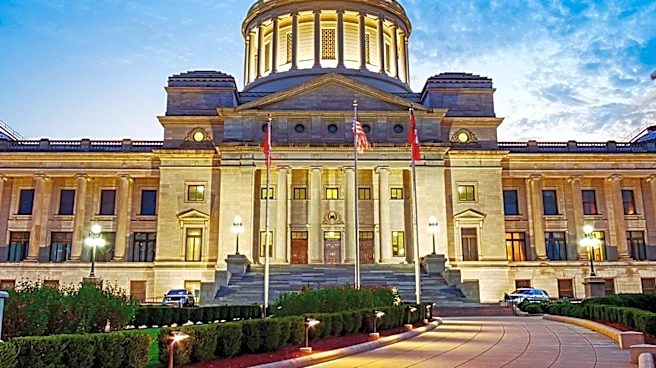
Rep. Bruce Westerman (AR-04) has been a vocal advocate for outdoor recreation in Arkansas, culminating in the introduction and passage of the EXPLORE Act. This legislation aims to expand access to and improve outdoor recreation opportunities and infrastructure
across the state. Specifically, the act supports rural towns that serve as gateway communities to popular outdoor sites like campsites, trailheads, and bike trails. By doing so, it helps these communities address challenges such as housing shortages and outdated infrastructure, which often arise from high volumes of tourism. The law also focuses on restoring campgrounds, protecting rock climbing locations, creating long-distance bike trails, increasing broadband connectivity, and improving accessibility for service members, veterans, children, and visitors with disabilities. Rep. Westerman, an avid outdoorsman, emphasizes his personal connection to Arkansas's natural heritage as a driving force behind these legislative efforts.
Why It's Important?
The EXPLORE Act holds significant importance for Arkansas's economy and quality of life. By bolstering infrastructure and access in gateway communities, the legislation can stimulate local economies through increased tourism, supporting small businesses and creating jobs. Improved broadband connectivity, a component of the act, is crucial for rural development, bridging the digital divide and offering new opportunities for residents and visitors alike. Furthermore, enhancing accessibility ensures that a broader demographic, including veterans and individuals with disabilities, can enjoy the state's natural beauty, promoting inclusivity. The focus on preserving natural sites and expanding recreational facilities also contributes to the long-term environmental health and recreational appeal of Arkansas, solidifying its reputation as the 'Natural State.' This initiative reflects a broader national trend towards valuing and investing in outdoor spaces for public benefit.
What's Next?
With the EXPLORE Act now law, the focus will shift to its implementation and the tangible benefits it will bring to Arkansas. Rural towns and gateway communities can anticipate receiving support to upgrade their infrastructure and address housing needs, potentially leading to visible improvements in tourist facilities and local services. The expansion of broadband connectivity will likely progress, offering enhanced internet access in previously underserved areas. Additionally, efforts to restore campgrounds, protect climbing sites, and develop long-distance bike trails will continue, gradually transforming the state's outdoor recreational landscape. The impact on accessibility for various groups will be monitored, ensuring that the legislation meets its goal of making outdoor experiences more inclusive. Rep. Westerman's continued engagement with these initiatives suggests ongoing oversight and potential future legislative efforts to further enhance outdoor recreation.
Beyond the Headlines
The EXPLORE Act's success could serve as a model for other states looking to leverage their natural assets for economic development and public well-being. Beyond the immediate economic and recreational benefits, the legislation underscores a growing recognition of the importance of nature in fostering community health and resilience. By investing in outdoor infrastructure, the act implicitly promotes physical activity, mental well-being, and environmental stewardship among citizens. The emphasis on accessibility also highlights a broader societal shift towards ensuring that public spaces are welcoming and usable for everyone, regardless of physical ability. This legislative approach could inspire a more integrated strategy for rural development that combines economic growth with environmental conservation and social equity, setting a precedent for how states can sustainably manage and utilize their natural resources.