


What's Happening?
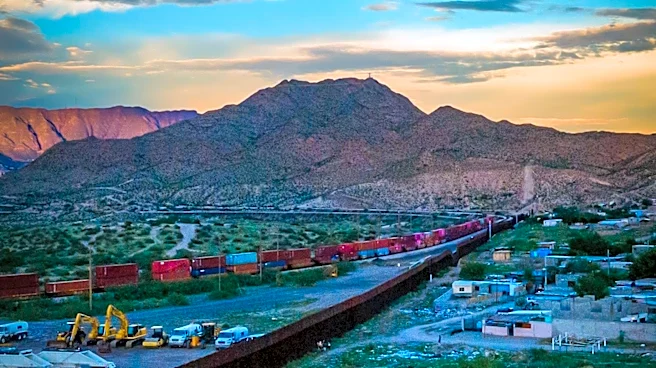
Texas Republicans are carefully addressing the Trump administration's plans for border infrastructure in the Big Bend region, which include an access road and vehicle barriers in Big Bend National Park, and 30-foot barriers on private land. This initiative
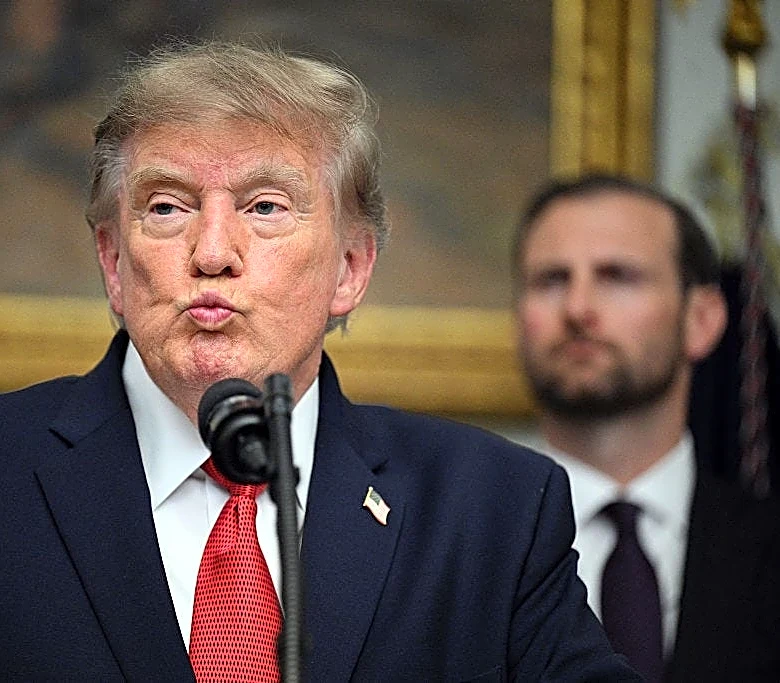
has sparked bipartisan outrage among constituents, who are concerned about the environmental impact on the beloved natural treasure and the use of eminent domain for private land. Attorney General Ken Paxton, a Republican U.S. Senate nominee and typically a strong ally of President Trump, has called the plan "not smart border security," marking a rare public disagreement with the White House. Other Republican leaders, including U.S. Sen. Ted Cruz, have acknowledged local concerns and welcomed a temporary construction pause announced by U.S. Customs and Border Protection (CBP) Commissioner Rodney Scott, without explicitly condemning the project. The Big Bend sector, despite being the largest, is the quietest along the U.S.-Mexico border, accounting for only 1.3% of total apprehensions last fiscal year, leading many to question the necessity of a physical barrier in this area.
Why It's Important?
The controversy surrounding the Big Bend border project is highly significant for Texas politics and the broader national debate on border security. For Texas Republicans, it presents a delicate balancing act: supporting President Trump's border security agenda while responding to strong opposition from their constituents, including landowners and environmental advocates. The issue has become a political liability, particularly in the lead-up to the November midterm elections, where Democrats are aiming for statewide victories. The nuanced responses from Republican leaders, ranging from cautious support for a construction pause to outright opposition to a wall in Big Bend, highlight internal divisions and the pressure they face. This situation also underscores the complex challenges of implementing federal policies in diverse geographical and political landscapes, where local concerns about land rights, environmental preservation, and the effectiveness of different security measures clash with national directives. The debate also brings into focus the economic implications of such projects, with concerns raised about the cost-effectiveness of a $7.5 billion no-bid contract in a low-apprehension sector.
What's Next?
CBP Commissioner Rodney Scott has announced a temporary pause in construction to meet with local officials, indicating a potential re-evaluation of the plans. Democratic state Sen. César Blanco reported that Scott acknowledged the need for local input and suggested a decision on the pause would be made in the coming weeks. Local elected officials have proposed alternative solutions, such as infrared surveillance technology, instead of physical barriers, which Scott reportedly listened to sincerely. However, the administration's plans for construction on private land were described as "somewhat not negotiable." This suggests that while some aspects of the project might be reconsidered, the core objective of building barriers on private property may proceed. The ongoing U.S. Senate race between Republican Ken Paxton and Democrat James Talarico will likely continue to feature this issue prominently, as Talarico has been a vocal critic of the Trump administration's plans. The outcome of these discussions and the eventual decisions on construction will have lasting impacts on the Big Bend region and could influence future border security strategies.
Beyond the Headlines
The Big Bend border wall controversy delves deeper than immediate political and environmental concerns, touching upon fundamental questions of federal authority versus local autonomy, and the definition of effective border security. The region's unique rugged terrain and low apprehension rates challenge the one-size-fits-all approach often seen in border policy, prompting a re-evaluation of whether physical barriers are always the most appropriate or effective solution. The use of eminent domain for private land raises ethical and legal questions about property rights and government overreach, particularly when local communities feel their concerns are being overlooked. Furthermore, the debate highlights the cultural significance of natural landscapes like Big Bend National Park, which are cherished for their ecological value and tranquility. The push for technology-based solutions over physical barriers in this context could signal a shift towards more nuanced and adaptable border management strategies that prioritize local input and environmental stewardship, potentially setting a precedent for future infrastructure projects in sensitive areas.