


What's Happening?
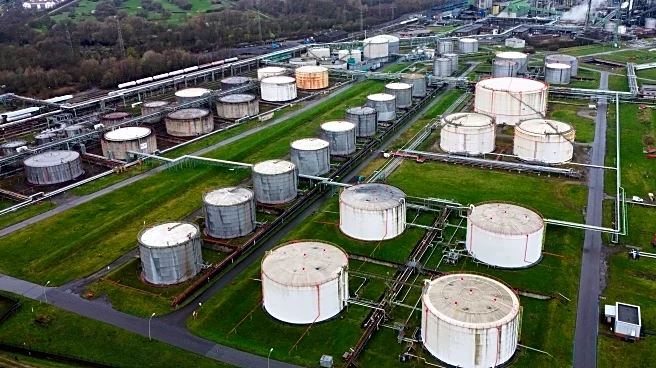
The International Energy Agency (IEA) has announced the largest release of government oil reserves in its history to address the oil price shock caused by the US-Israeli attacks on Iran. The IEA's 32 member countries have agreed to release approximately
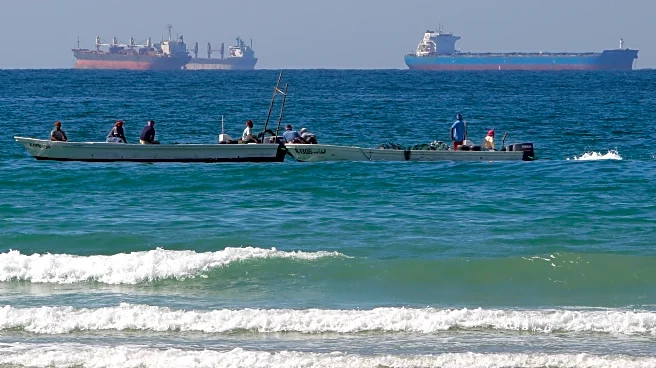
400 million barrels of emergency crude, which is a third of the group's total government stockpiles. This release is more than double the previous largest release by the IEA, which occurred in 2022 following Russia's invasion of Ukraine. The decision comes as the global market faces a loss of about 15 million barrels of crude per day due to disruptions in the Strait of Hormuz. The UK, Japan, South Korea, and Germany are among the countries contributing to this release, with Japan set to release 80 million barrels and Germany 19.51 million barrels. The IEA's executive director, Fatih Birol, emphasized the need for a global response to major disruptions in oil markets.
Why It's Important?
This unprecedented release of oil reserves is a critical measure to stabilize global oil markets amid escalating tensions in the Middle East. The disruption in the Strait of Hormuz, a vital oil trade route, has significantly impacted global oil supply, leading to volatile crude prices. By releasing these reserves, the IEA aims to mitigate the economic impact of the conflict and prevent further price surges that could affect global economies. The move underscores the importance of energy security and international cooperation in addressing supply shocks. Countries reliant on oil imports, particularly those in Asia, are likely to benefit from this intervention, as it may help stabilize energy costs and prevent economic disruptions.
What's Next?
The release of oil reserves is expected to begin shortly, with countries like the UK and Japan already outlining their contributions. The IEA will continue to monitor the situation and may implement additional measures if necessary. The ongoing conflict in the Middle East and the potential for further disruptions in oil supply remain significant concerns. The IEA and its member countries will need to remain vigilant and prepared to respond to any further escalations. Additionally, the situation highlights the need for long-term strategies to diversify energy sources and reduce reliance on volatile regions for oil supply.