









What's Happening?
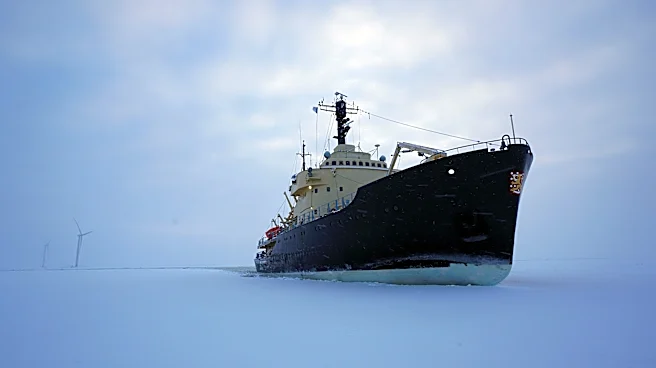
The Baltic Sea has experienced a significant reduction in its maximum winter ice cover over the past century, shrinking by about 30% due to rising greenhouse gas concentrations. In 2020, the ice cover reached its lowest level since the 19th century, covering
less than one-tenth of the sea's area. The region's warming is exacerbated by limited water exchange with the Atlantic Ocean and the loss of seasonal ice cover, which creates a positive feedback loop that accelerates warming. This environmental change poses threats to local ecosystems, including species like the ringed seals that rely on ice for reproduction.
Why It's Important?
The decline in ice cover in the Baltic Sea serves as a critical indicator of climate change, with broader implications for marine and coastal environments globally. The warming of the Baltic Sea affects local biodiversity, threatens commercial fish species, and impacts industries such as shipping and tourism. The region's rapid warming, combined with extensive historical data, makes it a valuable natural laboratory for studying climate change effects and testing mitigation strategies. The changes also highlight the need for international cooperation in addressing environmental challenges.
What's Next?
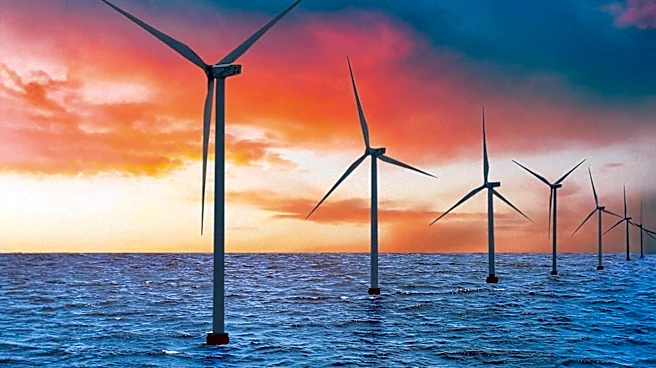
Countries surrounding the Baltic Sea are investing in renewable energy and environmental conservation to mitigate climate impacts. Offshore wind power is expanding, with plans to significantly increase capacity by 2050. Efforts are also underway to reduce nutrient pollution and manage sea-level rise, particularly in vulnerable southern regions. These initiatives aim to protect ecosystems and support sustainable economic activities in the region.
Beyond the Headlines
The Baltic Sea's situation underscores the importance of international agreements like the Helsinki Convention, which has been instrumental in reducing pollution and restoring ecosystems. The region's experience offers lessons for other coastal areas facing similar environmental pressures, demonstrating the potential benefits of science-based management and international collaboration.