


What's Happening?
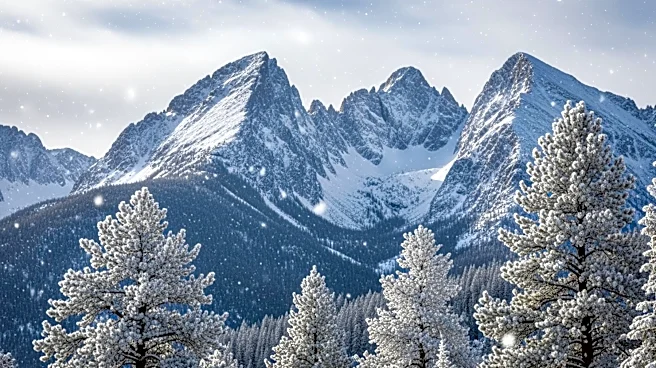
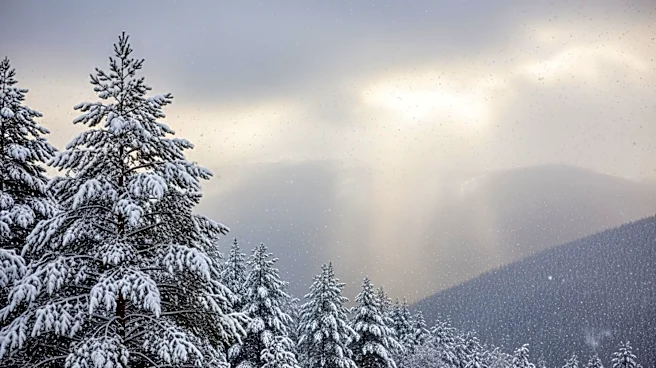
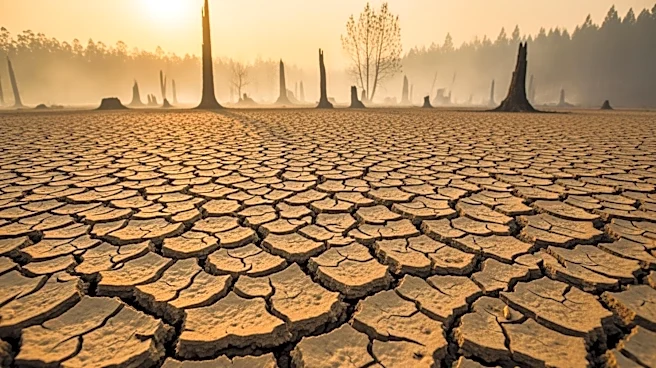
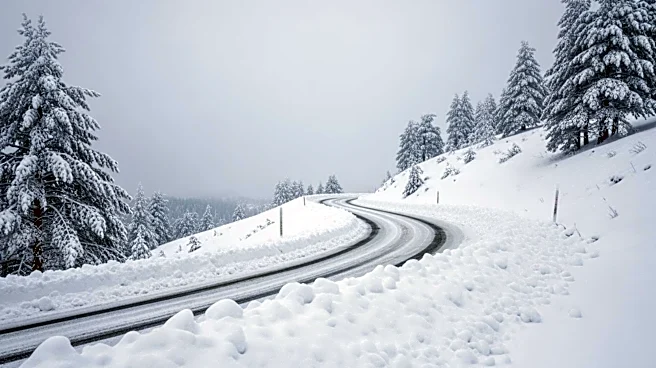
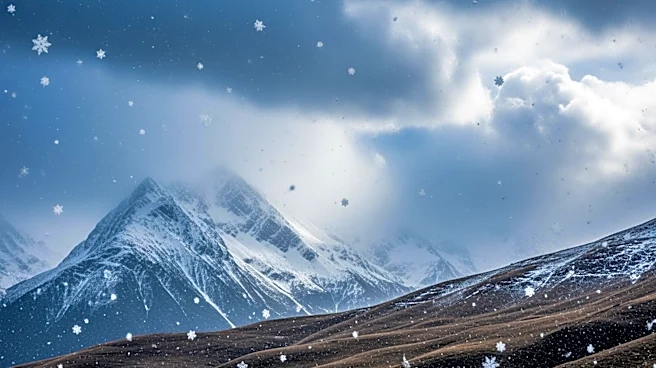
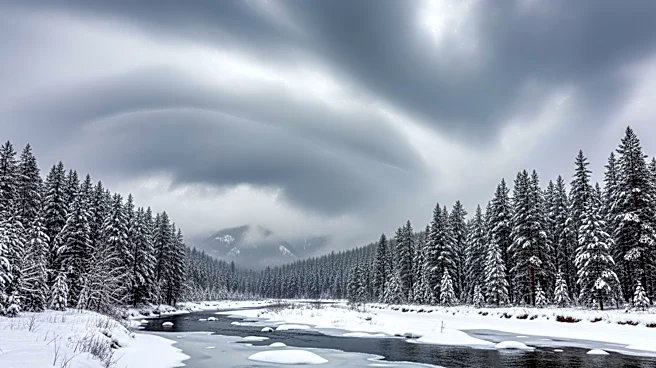
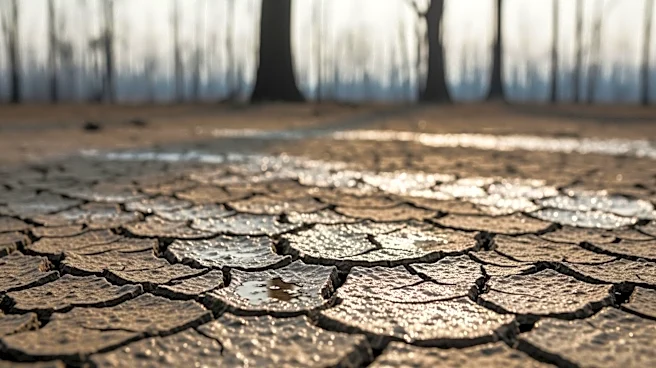
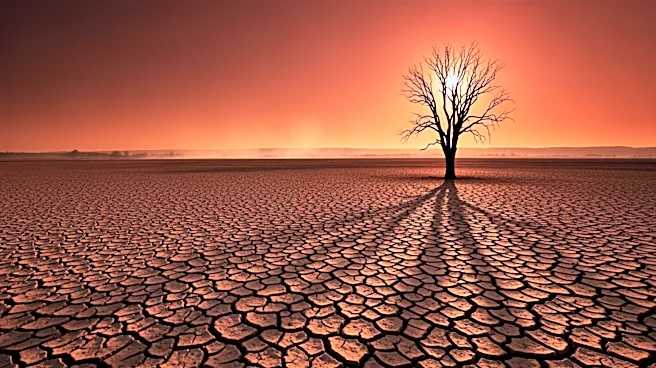
Recent rain and snow in Colorado have provided some relief to the state's drought-stricken areas, raising snowpack levels slightly. However, the overall wildfire risk remains high due to the ongoing exceptional drought conditions. The Roaring Fork Basin,
in particular, is still experiencing significantly low snowpack levels, which are crucial for water supply. The National Weather Service warns that the current moisture is insufficient to alter the broader narrative of fire risk, as the region continues to face challenges from climate change-driven weather patterns.
Why It's Important?
The persistent drought and low snowpack levels in Colorado highlight the increasing vulnerability of the region to wildfires. This situation underscores the need for effective water management and conservation strategies to mitigate the impact of climate change. The potential for severe wildfires poses a threat to communities, ecosystems, and the state's economy. Addressing these challenges requires coordinated efforts from government agencies, local communities, and environmental organizations to develop sustainable solutions.
What's Next?
As warmer weather returns, the focus will be on monitoring wildfire risks and preparing for potential outbreaks. There is hope for a more robust monsoon season, which could bring additional moisture to the region. However, residents are advised to continue conserving water and preparing for the possibility of a challenging summer. Long-term strategies will likely involve enhancing water conservation measures and exploring innovative approaches to manage the state's water resources effectively.