







What's Happening?
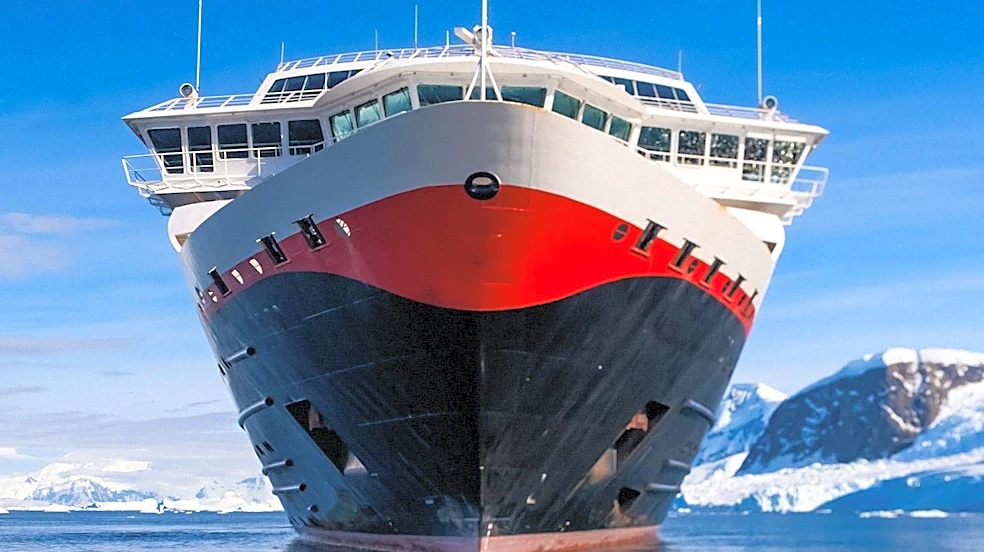
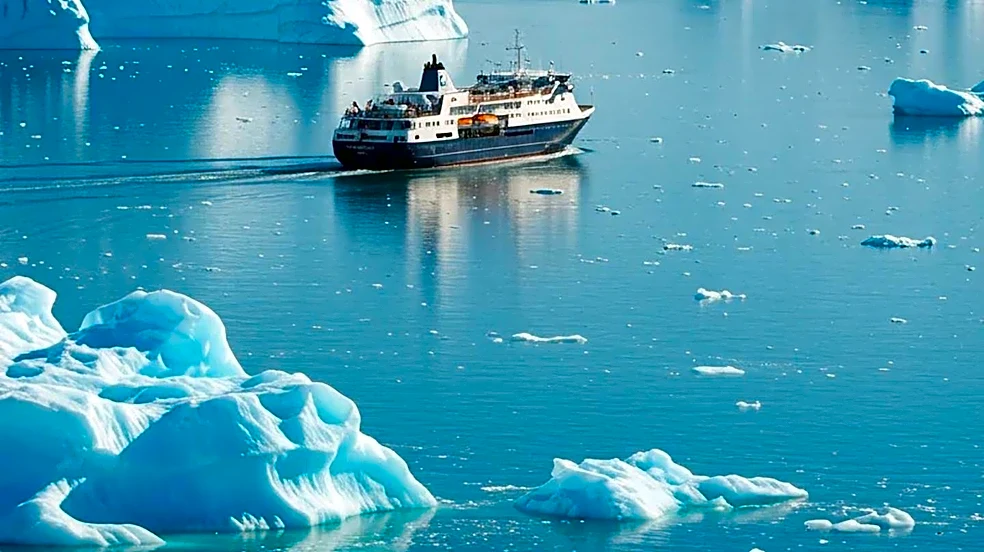
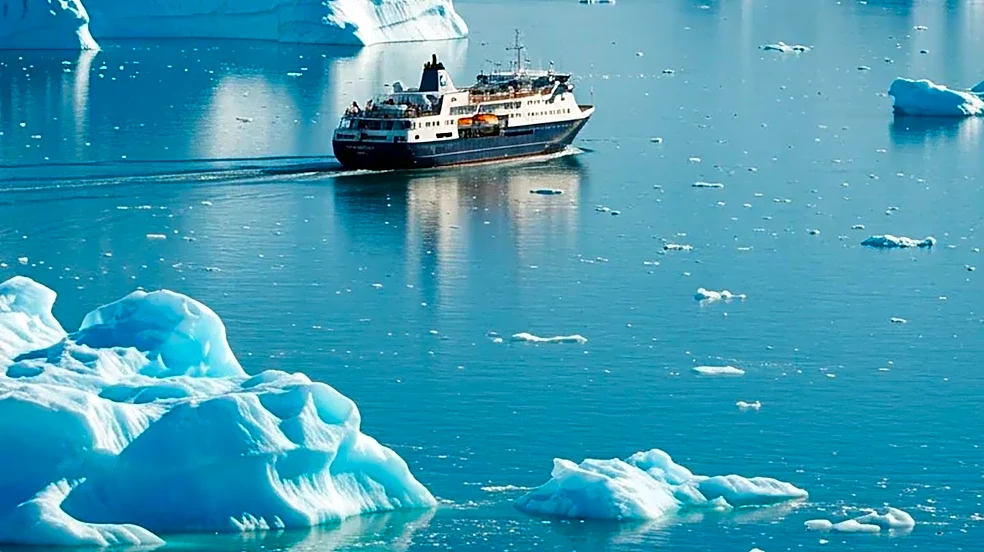
Glacier Bay National Park in Alaska has implemented strict limitations on cruise ship access, allowing only two vessels into the bay each day. This measure is in place to protect the delicate ecosystem of the park. Visitors to Glacier Bay are advised
to wear layers due to the significant wind chill near the ice, even if the ambient temperature is mild. National Park rangers are present on the ships throughout the day to provide briefings and answer questions from visitors, enhancing the educational aspect of the experience. The park offers unique views, such as the Johns Hopkins Glacier, making the limited access a special opportunity for those who visit. Beyond Glacier Bay, other Alaskan wilderness experiences include ATV tours outside Denali National Park, dog mushing demonstrations, paddle boat rides, and tranquil walks around Horseshoe Lake, where wildlife is abundant.
Why It's Important?
The strict permit system for cruise ships in Glacier Bay National Park highlights a growing trend in environmental conservation within popular tourist destinations. By limiting daily access, the park aims to mitigate the environmental impact of tourism, preserving the pristine nature of its glaciers and marine life for future generations. This approach balances economic benefits from tourism with ecological responsibility. The presence of National Park rangers on board cruise ships underscores the educational mission of national parks, turning a scenic tour into an opportunity for visitors to learn about conservation and the unique Alaskan environment. This model could influence other protected areas facing similar pressures from increased visitor numbers, promoting sustainable tourism practices across the U.S. national park system.
What's Next?
The current restrictions on cruise ship access to Glacier Bay are likely to remain in place, given their stated purpose of ecosystem protection. Future developments may include further refinement of these regulations based on ongoing environmental monitoring and research within the park. Other national parks and protected areas in Alaska and across the United States might consider adopting similar controlled access models to manage visitor impact, especially in ecologically sensitive regions. The emphasis on educational engagement through park rangers on board ships could also become a more widespread practice, enhancing visitor understanding and appreciation for conservation efforts. Tour operators will continue to adapt their offerings to comply with these regulations, potentially leading to more specialized and environmentally focused tour packages.
Beyond the Headlines
The limited access policy at Glacier Bay National Park reflects a broader societal shift towards valuing ecological preservation over unrestricted access in natural wonders. This decision carries ethical implications regarding the balance between human enjoyment of natural beauty and the imperative to protect fragile ecosystems. It also raises questions about equitable access, as limited permits can make visits more exclusive. Culturally, it reinforces the idea that certain natural spaces are so precious they require stringent protection, influencing public perception of environmental stewardship. Long-term, such policies could foster a deeper respect for nature and encourage more responsible tourism practices, potentially leading to a re-evaluation of how natural resources are managed and experienced across the globe.