






What's Happening?
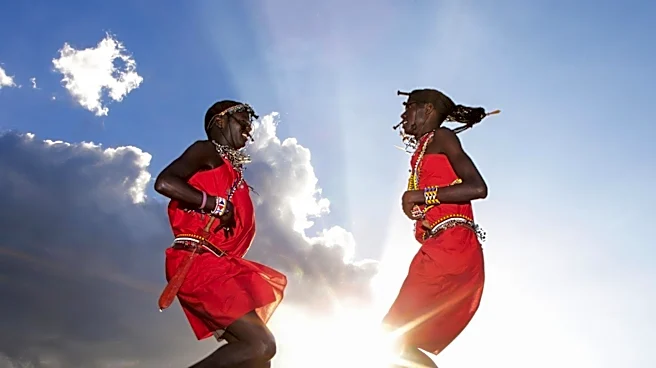
The U.N. Committee on the Elimination of Racial Discrimination (CERD) has called on Tanzania to immediately cease the forced evictions of Indigenous Maasai people from their ancestral lands. The committee expressed alarm over long-standing violations,
including relocations and restrictions on access to traditional lands and natural resources. Reports indicate that Maasai individuals opposing these evictions have faced arbitrary arrests, detention, reprisals, intimidation, and harassment. The CERD also cited instances of racial profiling and excessive use of force by law enforcement officials against the Maasai. These actions have led to restrictions on access to grazing areas, water sources, and cultural sites, as well as a deterioration in essential services like healthcare and education in the Ngorongoro Conservation Area, pressuring the Maasai to relocate. Tanzania has historically allowed Indigenous communities, including the Maasai, to reside within national parks like Ngorongoro, a UNESCO World Heritage Site. However, authorities claim the growing Maasai population is encroaching on wildlife habitats and began moving pastoralists out of Ngorongoro in 2022, describing these relocations as voluntary. The committee's opinions and recommendations are nonbinding but carry significant reputational weight.
Why It's Important?
This intervention by a UN watchdog highlights the critical issue of Indigenous land rights and the potential for human rights abuses in the name of conservation or development. The forced displacement of the Maasai not only threatens their cultural heritage and traditional way of life but also raises concerns about the equitable application of international human rights laws. The committee's call for adequate alternative housing and compensation when evictions are unavoidable underscores the need for ethical and just practices in land management. Furthermore, the emphasis on meaningful consultation and informed consent before implementing projects affecting Indigenous communities sets a precedent for how governments should interact with these populations. The reported abuses by law enforcement, including racial profiling and excessive force, point to systemic issues of discrimination and the need for greater accountability. This situation could influence international perceptions of Tanzania's human rights record and potentially impact foreign aid or investment, particularly from countries and organizations that prioritize human rights and environmental justice.
What's Next?
The UN Committee on the Elimination of Racial Discrimination has urged Tanzania to ensure that any conservation, tourism, or development projects affecting the Maasai proceed only after meaningful consultation and efforts to obtain their informed consent. Tanzania is also expected to ensure that the Maasai can exercise their rights without discrimination, including their rights to equality before the law and effective participation in decisions that affect them. The committee's nonbinding recommendations will likely put international pressure on the Tanzanian government to review its policies and practices regarding the Maasai. Future actions could include increased scrutiny from international human rights organizations, potential diplomatic discussions, and continued advocacy from Indigenous rights groups. The situation may also lead to further reporting and monitoring by the UN and other bodies to assess Tanzania's compliance with international human rights conventions. The ongoing pressure from climate change, leading to prolonged droughts and lower crop yields, will continue to exacerbate conflicts over resources, making the implementation of sustainable and equitable solutions even more critical.
Beyond the Headlines
The conflict between conservation efforts and Indigenous land rights in Tanzania reflects a broader global challenge where traditional communities often bear the brunt of environmental policies. While the stated goal of protecting wildlife habitats is important, the methods employed, particularly forced evictions and alleged human rights abuses, raise profound ethical questions. This situation underscores the complex interplay between environmental protection, economic development, and the rights of Indigenous peoples. The committee's findings highlight the need for a paradigm shift in conservation strategies, moving towards models that integrate Indigenous knowledge and ensure their participation and benefit. The long-term implications could include a re-evaluation of international conservation funding and partnerships, with a greater emphasis on human rights safeguards. Moreover, the case of the Maasai could serve as a critical example for other nations grappling with similar issues, potentially influencing the development of more inclusive and rights-based approaches to land management and environmental protection worldwide.