
What's Happening?
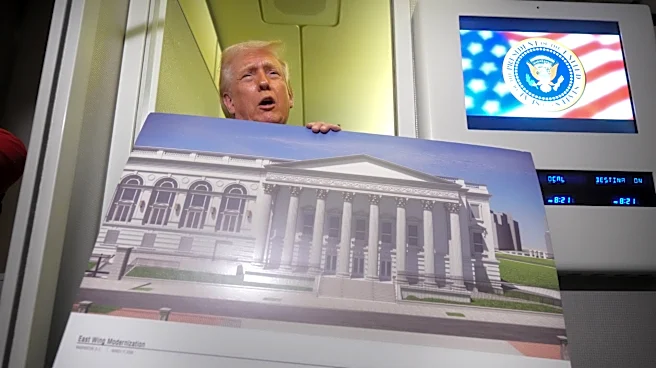
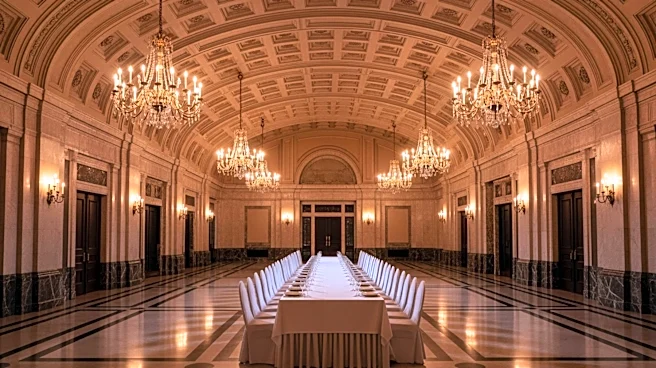
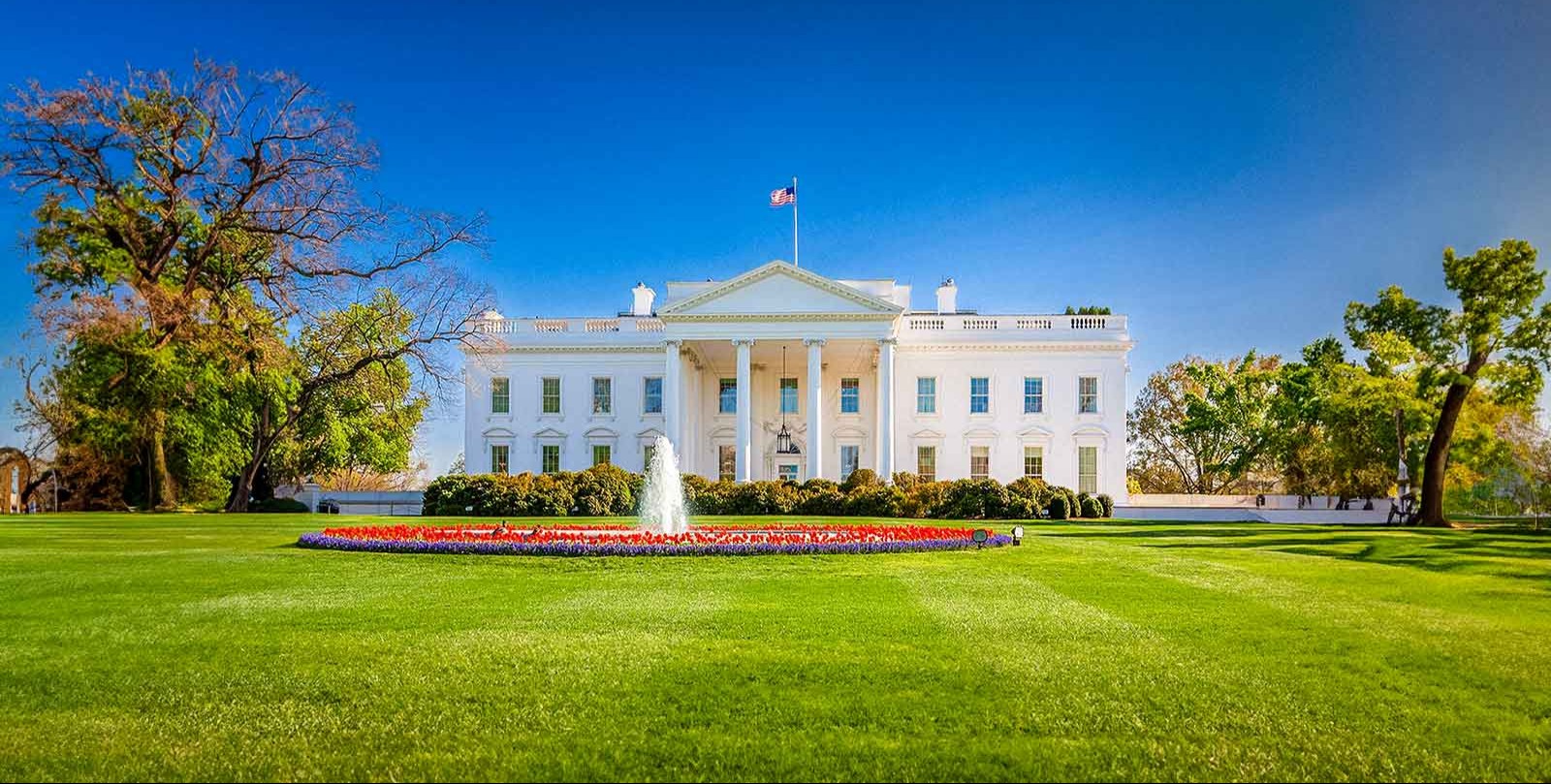
A federal judge has issued a preliminary injunction against President Trump's plan to construct a 90,000-square-foot ballroom on the White House grounds, citing the need for congressional approval. The National Trust for Historic Preservation filed the lawsuit,
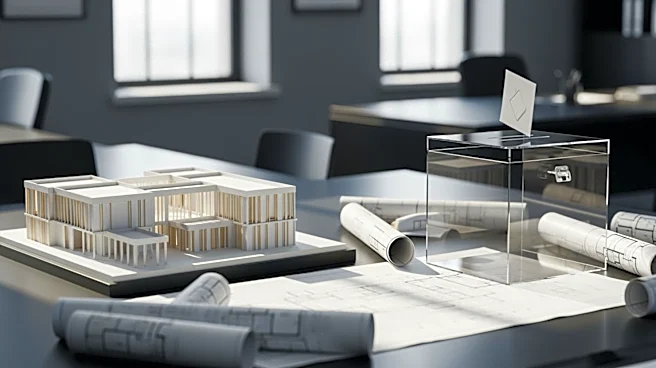
arguing that the construction violates federal statutes requiring express congressional authorization for building on federal land. Judge Richard Leon, who granted the injunction, criticized the administration's legal arguments, stating that no statute provides the President with the authority to proceed without congressional consent. The administration attempted to justify the construction under various federal statutes, but the court found these arguments unconvincing.
Why It's Important?
This ruling underscores the constitutional principle of separation of powers, emphasizing that the President cannot unilaterally undertake significant alterations to federal property without legislative approval. The decision is a setback for President Trump, who has been pushing for the ballroom's construction despite legal challenges. It highlights the ongoing tension between the executive branch and other governmental entities over the scope of presidential authority. The case could set a precedent for future disputes over executive actions that bypass congressional oversight, impacting how federal property is managed and altered.
What's Next?
The administration has already appealed the injunction to the DC Circuit and may escalate the matter to the Supreme Court. Meanwhile, President Trump has indicated he might continue construction under the guise of national security, claiming the ballroom is essential for protecting a military complex beneath it. The National Trust for Historic Preservation is seeking clarification from the court to ensure the injunction is enforced. Congress may be approached for authorization, but the political dynamics could complicate such efforts, especially given the potential scrutiny over the project's details.
Beyond the Headlines
The controversy surrounding the ballroom construction raises broader questions about the use of private funds for public projects and the transparency of such initiatives. The administration's shifting legal strategies reflect a broader pattern of challenging established norms and legal interpretations. This case also touches on the cultural and historical significance of the White House, as alterations to its structure can impact its legacy and public perception. The legal battle may influence future administrations' approach to modifying iconic federal properties.