







What's Happening?
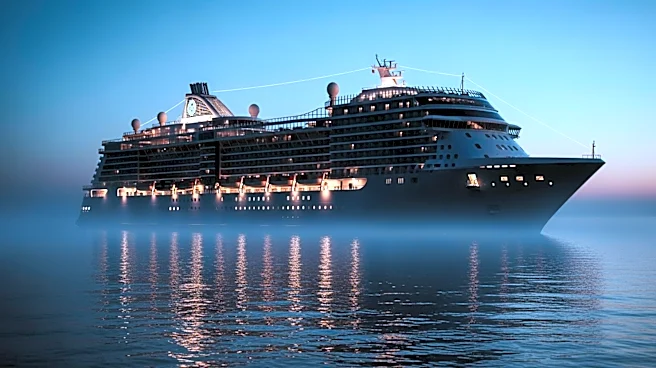
A luxury cruise ship has become the epicenter of a hantavirus outbreak, resulting in five confirmed cases and three fatalities. The ship is currently en route to the Canary Islands, where it is expected to dock despite controversy surrounding the decision.
The outbreak has raised significant health concerns, as hantavirus is a serious respiratory disease transmitted primarily through contact with rodent droppings, urine, or saliva. The situation on the ship is being closely monitored as authorities work to manage the outbreak and prevent further spread of the virus.
Why It's Important?
The outbreak on the cruise ship highlights the challenges of managing infectious diseases in confined environments, where close contact can facilitate rapid transmission. This incident underscores the importance of stringent health protocols and monitoring systems on cruise ships, which are popular vacation choices for many Americans. The potential for such outbreaks to spread beyond the ship poses a risk to public health, particularly if passengers disembark in populated areas. The situation also raises questions about the adequacy of current health and safety measures in the cruise industry, which could lead to increased scrutiny and regulatory changes.
What's Next?
As the cruise ship approaches the Canary Islands, authorities will need to decide on the appropriate measures to take upon its arrival. This may include quarantine procedures, medical evaluations of passengers and crew, and potential restrictions on disembarkation. The response from health officials and the cruise line will be critical in containing the outbreak and preventing further cases. Additionally, the incident may prompt a review of health protocols on cruise ships globally, potentially leading to new guidelines to prevent similar outbreaks in the future.