







What's Happening?
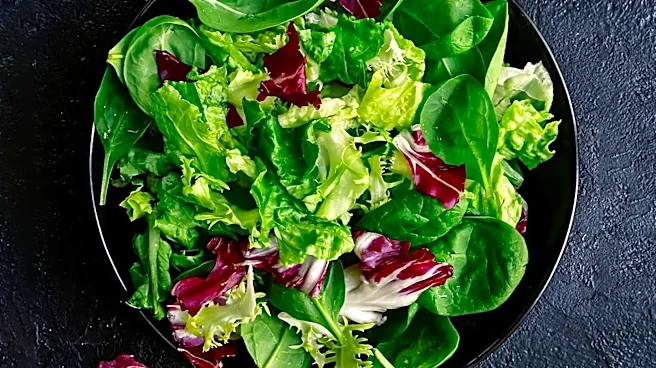
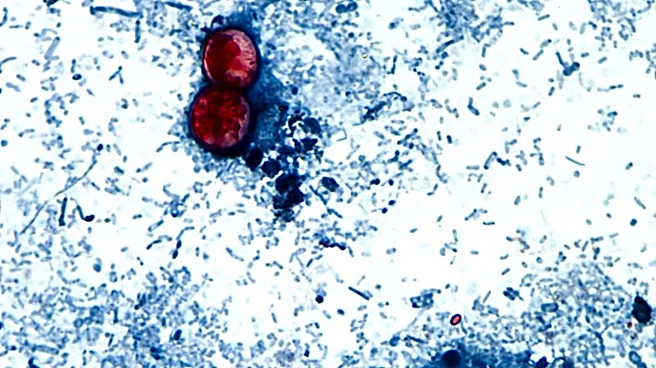
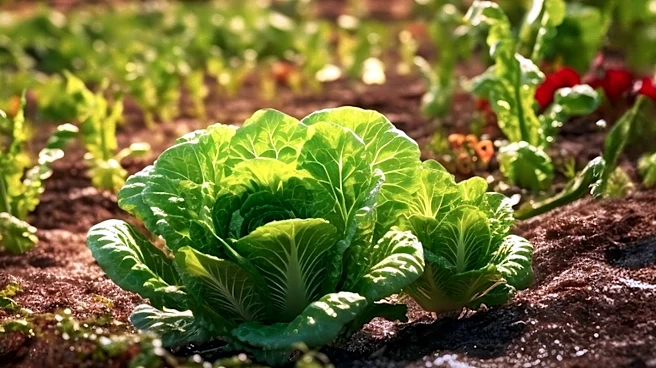
Federal health officials are investigating iceberg lettuce from Taylor Farms, a supplier to Taco Bell, as a potential source of a cyclosporiasis outbreak. This parasitic illness, which causes severe diarrhea, has affected thousands across the United States.
Taco Bell has proactively removed the potentially contaminated lettuce from its supply chain in select states, although no official advisory has been issued. The Centers for Disease Control and Prevention (CDC) has reported 1,645 lab-confirmed cases and 145 hospitalizations, with a backlog of 5,100 cases still under analysis. The outbreak is expected to continue through August, with Michigan, Ohio, West Virginia, and Kentucky being notably affected. The Trump administration has faced criticism for cuts to federal food safety programs, but the White House maintains that these cuts have not impacted the response to the outbreak.
Why It's Important?
The investigation into the source of the cyclosporiasis outbreak is crucial for public health and safety. The illness has already impacted thousands, and identifying the source is essential to prevent further spread. The outbreak highlights vulnerabilities in the food supply chain and the importance of robust food safety measures. The criticism of the Trump administration's cuts to food safety programs underscores the potential risks of reduced oversight. The situation also affects the restaurant industry, particularly Taco Bell, which must manage the fallout from the outbreak and ensure customer safety. The broader implications for public health policy and food safety regulations are significant, as they may prompt reviews and potential changes to current practices.
What's Next?
As the investigation continues, federal and state health officials will likely intensify efforts to trace the source of the outbreak. Taco Bell and other foodservice operators may implement additional safety measures to prevent further contamination. The CDC will continue to monitor and report on the outbreak, potentially leading to new guidelines or advisories. Public health agencies may also review and possibly revise food safety protocols to address any identified gaps. The situation could lead to increased scrutiny of food safety practices and policies, potentially influencing future regulatory decisions.