




What's Happening?
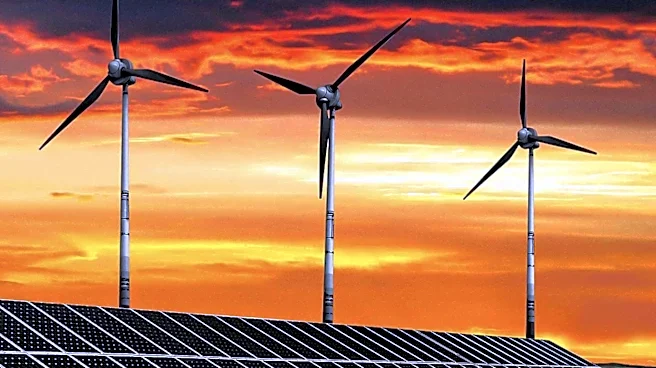
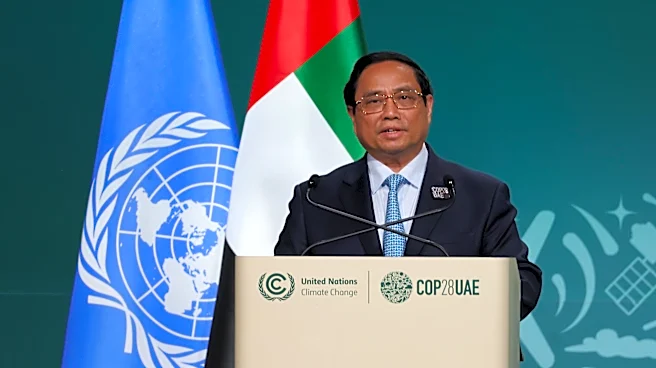
The COP31 presidency is actively seeking support for its electrification pledge, aiming to increase electricity's share of global final energy consumption to 35% by 2035, up from the current 23%. While the pledge does not specify how electricity should
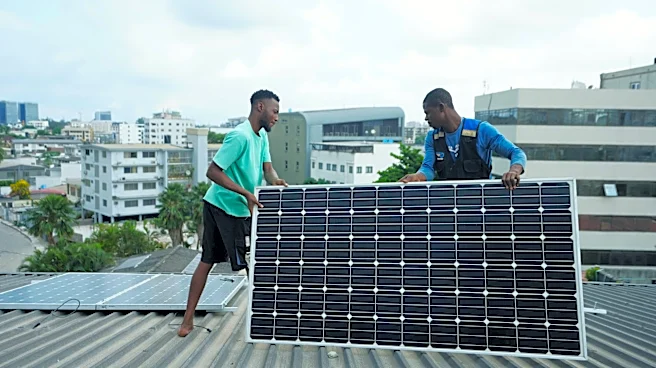
be generated, at least 14 countries have publicly endorsed it, including Germany, Norway, Finland, South Korea, Pakistan, Zimbabwe, Eswatini, Togo, Liechtenstein, Australia, Ethiopia, Palau, Seychelles, and the Solomon Islands. The European Union is also expected to join. However, many nations have attached conditions to their support, emphasizing that electrification must be linked to clean power sources and not distract from the primary goal of transitioning away from fossil fuels. Saudi Arabia expressed skepticism, stating that electrification does not necessarily reduce emissions without considering the source of production. Developing countries like Pakistan, Zimbabwe, and the Solomon Islands have highlighted the critical need for financial support and investment facilities to implement electrification initiatives.
Why It's Important?
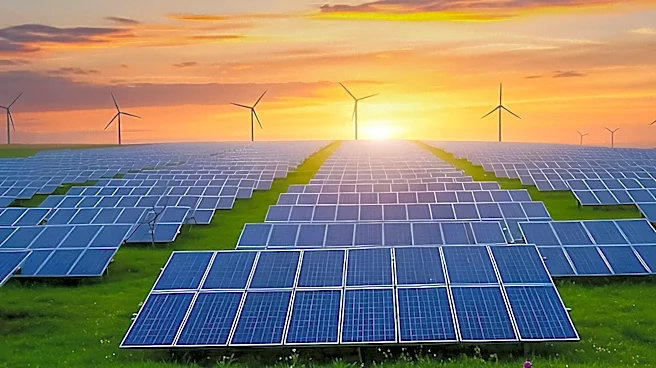
This electrification pledge at COP31 holds significant implications for global energy policy and climate action. The push to increase electricity consumption, if tied to clean energy sources, could accelerate the transition away from fossil fuels, impacting energy markets and investment in renewable technologies. For the U.S., this global initiative could influence domestic energy strategies, potentially encouraging greater investment in clean energy infrastructure and technologies to align with international efforts. The emphasis on financial support for developing countries also highlights a critical aspect of climate justice, as these nations often bear the brunt of climate change impacts while having fewer resources to adapt. U.S. foreign policy and aid programs could be shaped by these demands, potentially leading to increased funding for clean energy projects in developing nations. The debate over the source of electricity generation underscores the ongoing tension between economic development and environmental sustainability, a challenge that the U.S. also faces in its own energy transition.
What's Next?
The COP31 presidency is expected to release a full list of backers for the electrification pledge in the coming week. Discussions will likely continue regarding the specific modalities of the pledge, particularly concerning the requirement for clean power generation and the provision of financial support to developing countries. The launch of a global finance coalition, backed by COP31 host Türkiye and COP32 host Ethiopia, aims to support clean electrification in developing countries, suggesting that financial mechanisms will be a key focus moving forward. Further negotiations and commitments are anticipated as countries work to finalize their contributions and strategies for achieving the 35x35 electrification goal. The outcomes of these discussions will shape international climate policy and investment in the coming years, influencing how nations, including the U.S., approach their energy transitions.
Beyond the Headlines
The COP31 electrification pledge, while seemingly straightforward, touches upon deeper ethical and economic considerations. The insistence by some nations that electrification must be 'clean' highlights the moral imperative to address climate change comprehensively, rather than simply shifting energy consumption without reducing emissions. This also brings to light the potential for 'greenwashing' if electrification is pursued without a clear commitment to renewable sources. Furthermore, the calls for dedicated finance access windows and investment facilities for developing countries underscore the historical inequities in climate responsibility and the need for global solidarity. The debate over who bears the financial burden of the energy transition will likely continue to be a central theme in international climate negotiations, reflecting broader discussions about global justice and equitable development. The pledge also implicitly encourages technological innovation in clean energy, which could drive new industries and economic opportunities globally.