







What's Happening?
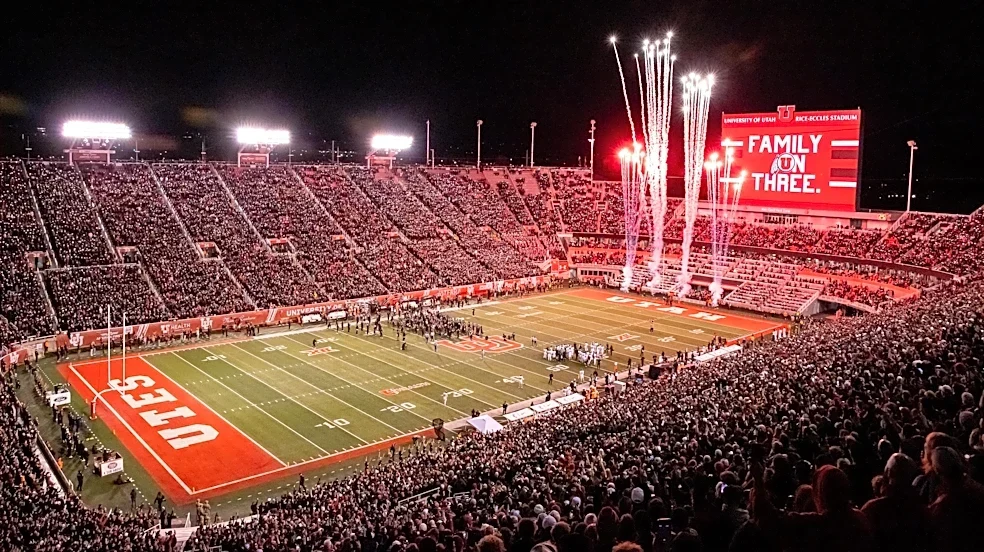
Boise State University and The Nature Conservancy have initiated a two-year collaborative study focused on developing guidelines for responsible solar project planning across Idaho and the broader Pacific Northwest. This research aims to strike a balance
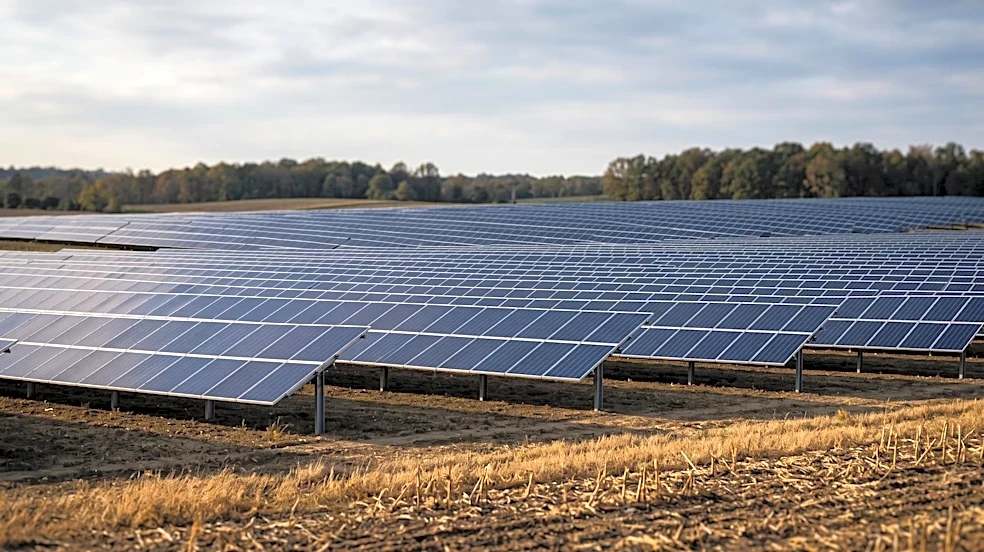
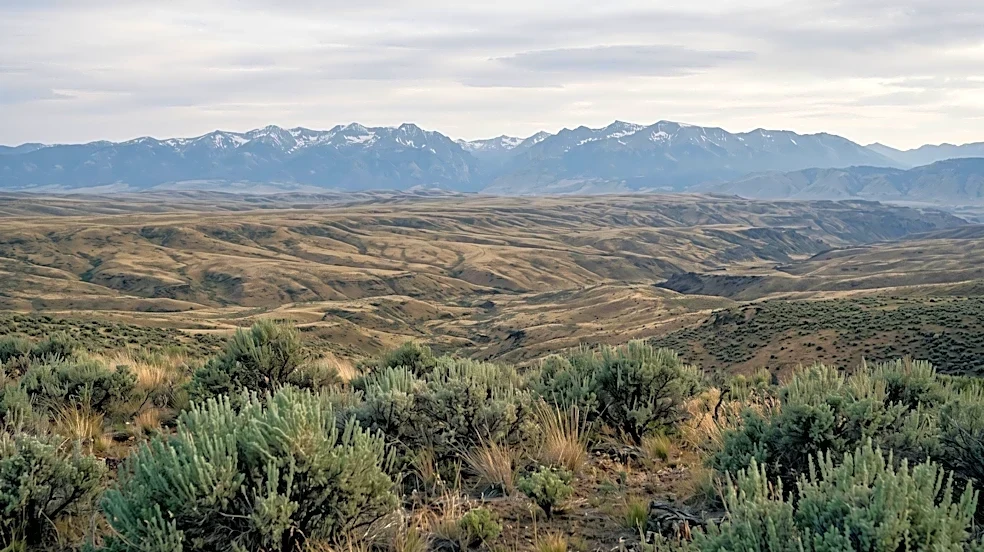
between the region's growing clean energy demands and the imperative for conservation and community well-conscious development. The project, titled 'Improving Utility-Scale Solar for People and Wildlife,' will encompass Idaho, Washington, and Oregon. Molly Levy, a policy fellow for The Nature Conservancy in Idaho, is examining the permitting and placement of clean energy projects, considering factors such as transmission, the conversion of agricultural land, and environmental and cultural impacts. Taylor Ganz, science lead for The Nature Conservancy in Idaho, highlights the region's projected 25% increase in energy needs over the next decade, much of which is expected to come from renewable sources. The study seeks to identify optimal locations for solar development that can also offer positive ecological outcomes, such as the restoration of degraded sites.
Why It's Important?
This collaborative study is crucial for the Pacific Northwest as it navigates a significant increase in renewable energy infrastructure. Idaho alone saw a 49-fold increase in solar power generation between 2016 and 2025, now capable of powering nearly 180,000 homes. The rapid expansion of solar projects necessitates a strategic approach to minimize negative impacts on wildlife habitats and local communities. By developing comprehensive guidelines, the project aims to ensure that clean energy development is both locally supported and aligned with conservation goals. This initiative could serve as a model for other regions facing similar challenges in balancing energy growth with environmental stewardship. The involvement of various stakeholders, including county leaders, utility managers, landowners, and advocacy groups, underscores the complexity and importance of integrating diverse perspectives into sustainable energy planning.
What's Next?
The two-year study, which recently secured funding, is in its initial stages. Researchers will continue to engage with various stakeholders, including local government officials, utility companies, landowners, and environmental groups, to gather insights and build consensus. The findings are expected to inform policy recommendations and best practices for utility-scale solar development in Idaho, Washington, and Oregon. The project aims to identify common themes in permitting processes across different counties and offer guidance to streamline responsible solar expansion. The ultimate goal is to shape the region's energy systems for decades to come, ensuring that the design and construction of large-scale solar projects have minimal adverse effects while potentially offering ecological and economic benefits.
Beyond the Headlines
The study delves into the deeper implications of rapid clean energy expansion, particularly the ethical and practical challenges of land use. The conversion of agricultural land for solar farms, for instance, raises questions about food security and rural economies. The project's focus on identifying areas where solar development can have positive effects, such as restoring degraded sites, highlights an innovative approach to infrastructure planning that goes beyond mere mitigation. This could lead to a paradigm shift where renewable energy projects are not just environmentally neutral but actively contribute to ecological restoration and biodiversity. The emphasis on community engagement and local support also underscores the importance of social equity in the transition to clean energy, ensuring that the benefits are widely distributed and potential burdens are fairly managed.