
What's Happening?
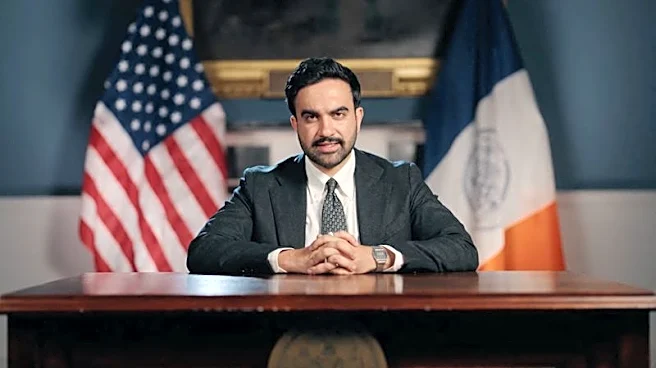
Mayor Zohran Mamdani has announced a significant expansion of New York City's Bureau of Coastal Resilience, with a $43.2 million investment aimed at bolstering the city's defenses against climate change.
Established in 2023, the Bureau has operated with a modest budget and staff, but the new funding will allow for the hiring of 69 additional personnel, including engineers and flood experts. This move comes in response to the increasing threat of climate change, rising sea levels, and extreme weather events. The announcement follows recent intense storms that caused flooding in the city, highlighting the urgent need for enhanced coastal protection. The Bureau is currently managing 15 active infrastructure projects, including the $1.45 billion East Side Coastal Resiliency project, set to be completed in 2027. The expansion aims to ensure the city is better prepared for future climate impacts, building on lessons learned from past events like Hurricane Sandy.
Why It's Important?
The expansion of the Bureau of Coastal Resilience is crucial for New York City as it faces growing climate challenges. With 440,000 residents, 14,500 businesses, and $250 billion in property value located within the city's floodplain, the potential impact of climate-related disasters is significant. The investment not only aims to protect these assets but also to create job opportunities in resilience planning and infrastructure development. The initiative underscores the city's commitment to proactive climate adaptation, which is essential for safeguarding its economy and population. The broader implications include setting a precedent for other cities facing similar threats, emphasizing the importance of investing in climate resilience to mitigate future risks.
What's Next?
The expanded Bureau will focus on completing ongoing projects and initiating new studies to develop a long-term coastal resilience strategy. As the city continues to invest in infrastructure upgrades, it will need to address the projected $519 billion cost of resilience measures through 2050. Collaboration with community organizations and stakeholders will be vital to ensure that resilience projects are effectively planned and executed. The city's approach may influence national policy and funding priorities, as urban areas across the U.S. grapple with the realities of climate change. Monitoring the effectiveness of these initiatives will be key to refining strategies and securing additional resources.
Beyond the Headlines
The expansion of the Bureau of Coastal Resilience highlights the ethical and social dimensions of climate adaptation. By prioritizing community involvement and equitable access to resilience benefits, the city aims to address disparities in vulnerability to climate impacts. The initiative also raises questions about the long-term sustainability of urban development in flood-prone areas and the need for innovative solutions to balance growth with environmental stewardship. As climate change continues to challenge traditional infrastructure models, cities like New York must explore new paradigms for resilience that integrate social, economic, and environmental considerations.