





What's Happening?
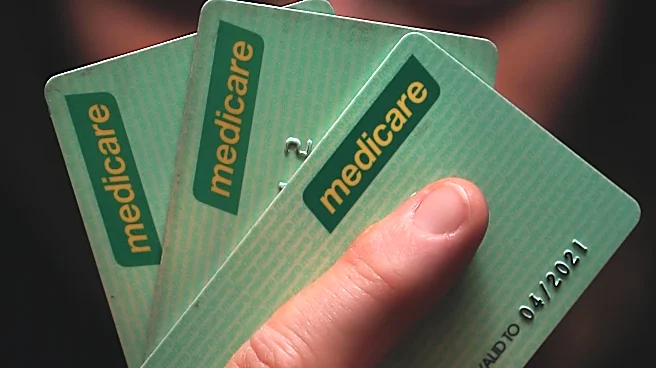
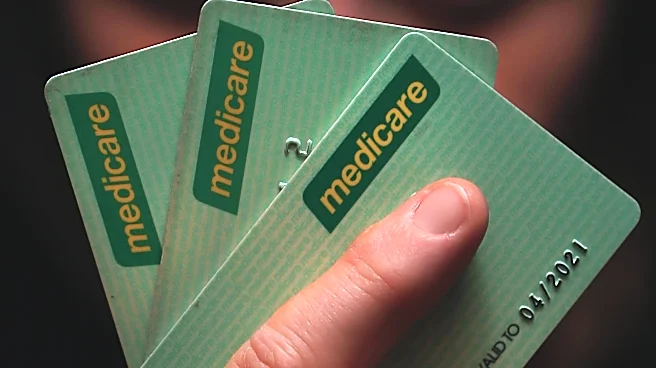
Medicare has introduced the Medicare Prescription Payment Plan (M3P), allowing eligible members to distribute their out-of-pocket prescription drug costs into monthly payments throughout the year. This initiative aims to help beneficiaries manage their medication
expenses more effectively. The amount individuals pay for their medications is influenced by several factors, including their specific health plan, the types of medications they take, whether they qualify for Extra Help (Low-Income Subsidy), and their current stage within the prescription drug coverage year. Understanding these variables, along with terms like deductibles, copays, coinsurance, formularies, and drug tiers, is crucial for beneficiaries to make informed decisions about their coverage and avoid unexpected costs. Each plan's specific costs can vary, making it important for members to review their plan's Prescription Drug Coverage page for detailed information on deductibles, copays, coverage stages, and formulary details.
Why It's Important?
The implementation of the Medicare Prescription Payment Plan is significant for U.S. Medicare beneficiaries, particularly those with high prescription drug costs. By enabling monthly payments, the plan can alleviate the immediate financial burden of large, one-time drug expenses, making essential medications more accessible and affordable. This can lead to improved medication adherence, as beneficiaries may be less likely to skip doses or delay filling prescriptions due to cost concerns. The plan also highlights the broader complexity of Medicare prescription drug coverage, emphasizing the need for beneficiaries to actively understand their benefits and explore available cost-saving strategies, such as generic alternatives, preferred pharmacies, and programs like Extra Help. For the healthcare industry, this initiative could influence how pharmacies and health plans manage billing and patient support, potentially leading to adjustments in their operational procedures to accommodate the new payment structure.
What's Next?
Beneficiaries interested in the Medicare Prescription Payment Plan should consult their specific Medicare plan for eligibility requirements and enrollment procedures. Health plans will likely provide detailed information on how to utilize M3P, including how monthly payments will be calculated and processed. Ongoing efforts will focus on educating Medicare members about this new payment option and other available resources to manage prescription drug costs. This includes promoting awareness of Extra Help for low-income individuals and encouraging the use of cost-saving strategies like generic medications. The success and impact of M3P will likely be monitored to assess its effectiveness in reducing financial strain on beneficiaries and potentially inform future adjustments to Medicare's prescription drug policies.
Beyond the Headlines
The introduction of the Medicare Prescription Payment Plan reflects a growing recognition of the financial challenges many Americans face in affording prescription medications. This move could be seen as part of a broader trend towards making healthcare costs more manageable for consumers, potentially influencing other areas of healthcare financing. It also underscores the evolving role of government programs in addressing the economic aspects of health. While M3P addresses the payment mechanism, it doesn't directly tackle the underlying issue of high drug prices, which remains a significant point of discussion in U.S. healthcare policy. The plan's success could also highlight disparities in access and affordability, prompting further examination of how different demographic groups are impacted by prescription drug costs and coverage options.