



What's Happening?
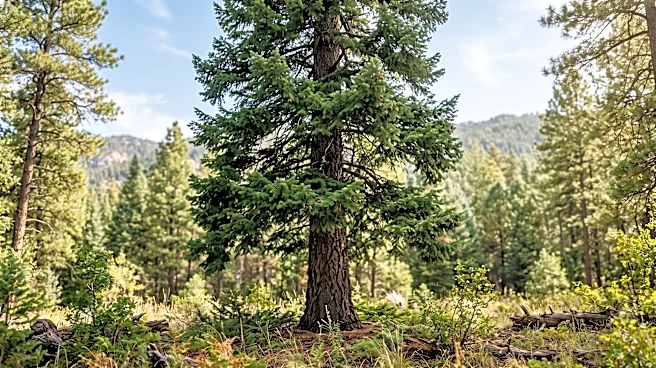
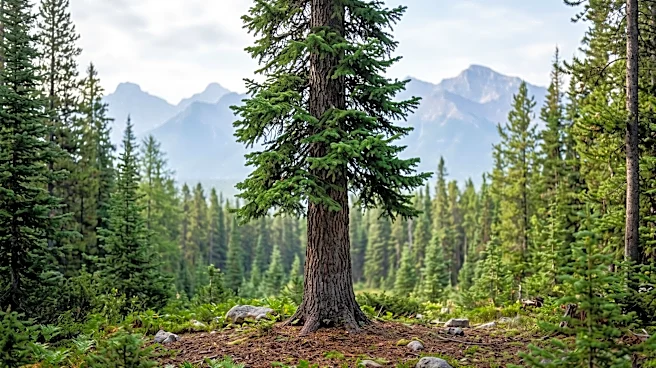
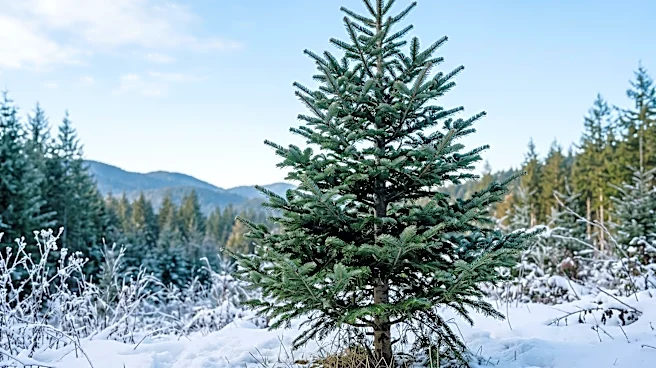
The U.S. Forest Service has announced the availability of Christmas tree cutting permits for several national forests, including the Grand Mesa, Uncompahgre, and Gunnison National Forests. Permits became available online and through local vendors and district
offices starting November 12. The cost for a permit is $8, with additional processing fees potentially applying for online purchases via Recreation.gov. This initiative allows families to engage in a traditional activity while also contributing to the health and resilience of national forests, according to Chad Stewart, forest supervisor for the GMUG National Forests. Specific rules for cutting, designated areas, and maps are provided to permit holders, who are advised to check weather and road conditions before traveling, as some roads may become inaccessible due to snow or winter closures.
Why It's Important?
This program is important for several reasons, blending recreational opportunities with forest management. By allowing regulated tree cutting, the U.S. Forest Service facilitates a cherished holiday tradition for many American families, offering an affordable and engaging outdoor activity. Economically, the permit fees, though modest, contribute to the operational costs and conservation efforts of the national forests. Environmentally, the controlled removal of trees, particularly smaller ones, can be a tool for forest health, reducing fuel loads and promoting the growth of healthier, more resilient stands. This practice aligns with broader forest stewardship goals, helping to prevent wildfires and maintain ecological balance. The program also encourages public engagement with national lands, fostering a sense of ownership and responsibility among citizens.
What's Next?
Permits for Christmas tree cutting will continue to be available through the season, with specific end dates varying by forest. The U.S. Forest Service will continue to monitor weather and road conditions, issuing alerts and updates to ensure the safety of permit holders. It is anticipated that many families will take advantage of this opportunity, especially as the holiday season approaches. The agency will also likely assess the program's impact on forest health and public participation to inform future permit offerings. Continued public awareness campaigns will be crucial to ensure that participants adhere to cutting guidelines and safety protocols, preserving the integrity of the national forests for years to come.
Beyond the Headlines
Beyond the immediate act of cutting a Christmas tree, this program highlights the evolving relationship between the public and national lands. It underscores a shift towards more active public participation in forest management, where recreational activities are integrated with conservation objectives. The tradition of cutting one's own Christmas tree from a national forest can instill a deeper appreciation for natural resources and the importance of sustainable practices. This initiative also reflects a broader trend in public land management to diversify revenue streams and engage communities in stewardship, moving beyond purely extractive or preservationist models. It serves as a reminder that national forests are not just protected areas but living ecosystems that require ongoing management and public interaction to thrive.