







What's Happening?
Hundreds of U.S. military bases are experiencing significant delays in cleaning up toxic per- and polyfluoroalkyl substances (PFAS), commonly known as 'forever chemicals.' These substances have been linked to health issues such as cancer and thyroid conditions.
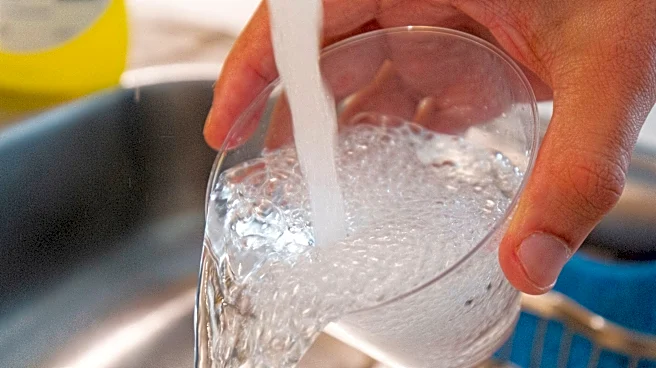
According to a USA TODAY analysis, the cleanup timelines for these chemicals have been extended by decades at many sites, with some deadlines removed entirely. The delays have been quietly posted on the Pentagon's website, affecting communities near bases like the Yakima Training Center in Washington, where residents have reported health problems. The military has been using PFAS in firefighting foams, which have contaminated local water supplies. Despite congressional pressure, the military has not provided a clear estimate of the number of people affected by these delays.
Why It's Important?
The delays in cleaning up PFAS contamination at military bases have significant implications for public health and environmental safety. Communities near these bases are at risk of exposure to harmful chemicals, which can lead to serious health issues. The lack of timely action undermines trust between the military and local communities, as residents are left without clear information or solutions. The situation also highlights broader challenges in managing environmental contamination and the need for more effective regulatory oversight. The delays could lead to increased legal and financial liabilities for the military, as affected communities may seek compensation for health impacts and property devaluation.
What's Next?
The military is expected to face continued pressure from Congress and affected communities to expedite the cleanup process. There may be calls for increased transparency and accountability in how the military manages environmental contamination. The situation could also prompt legislative action to strengthen regulations and oversight of PFAS use and cleanup. In the meantime, affected communities may continue to rely on interim measures such as bottled water and filtration systems, while advocating for more permanent solutions.