





What's Happening?
The International Renewable Energy Agency (IRENA) has announced a call for renewable energy project proposals from countries in Central America and the Caribbean. This initiative aims to support the expansion of renewable energy deployment and attract
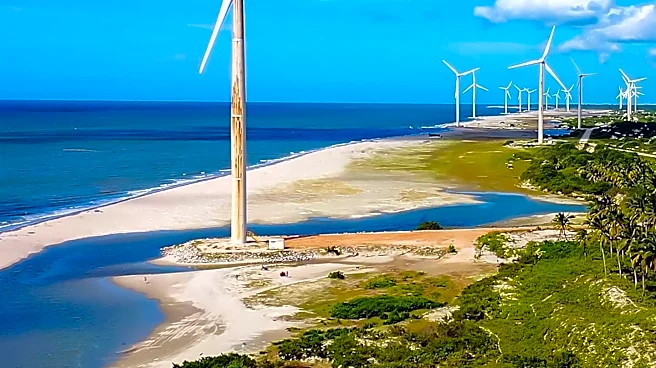
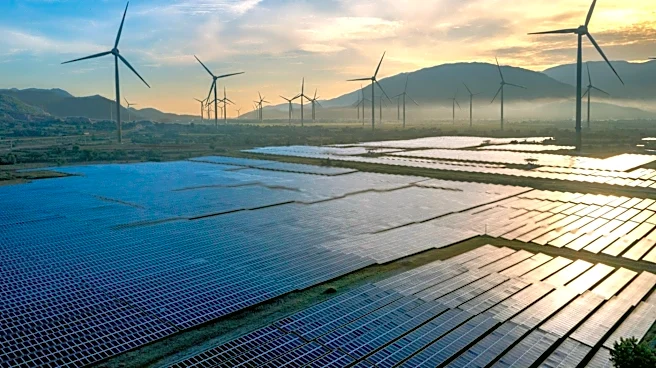
investment to advance the region's clean energy transition. Eligible countries include Antigua and Barbuda, Bahamas, Barbados, Belize, Costa Rica, Cuba, Dominica, the Dominican Republic, El Salvador, Guatemala, Grenada, Honduras, Jamaica, Nicaragua, Panama, Saint Kitts and Nevis, Saint Lucia, Saint Vincent and the Grenadines, Trinidad and Tobago. The call covers a range of technologies such as solar PV, solar thermal, wind, hydropower, geothermal, bioenergy, clean transportation, and green hydrogen. Selected projects will receive support to improve investment and implementation readiness, with a submission deadline of September 1, 2026.
Why It's Important?
This initiative is significant as it represents a concerted effort to accelerate the clean energy transition in Central America and the Caribbean, regions that are particularly vulnerable to the impacts of climate change. By supporting renewable energy projects, IRENA aims to reduce the regions' reliance on fossil fuels, enhance energy security, and promote sustainable economic growth. The initiative also aligns with global efforts to meet climate goals and reduce carbon emissions. Successful projects could attract significant investment, create jobs, and foster technological innovation, contributing to the regions' long-term economic and environmental resilience.
What's Next?
Project developers from both public and private sectors are encouraged to submit proposals. Selected projects may secure financing through IRENA’s Climate Investment Platform (CIP) and Energy Transition Accelerator Financing (ETAF) platform. These platforms provide investment partnerships and de-risking instruments to expedite project implementation. The focus will be on medium-to-large-scale projects with substantial capital expenditure requirements. As the submission deadline approaches, stakeholders will likely engage in discussions to refine project proposals and align them with national climate action priorities and the United Nations Sustainable Development Goals.