








What's Happening?
Europe has surpassed all other global regions to become the primary destination for international migrants, hosting 94 million foreign-born residents in 2024, according to the United Nations International Migrant Stock dataset. This figure represents
nearly a third of the 304 million international migrants worldwide. Since 1990, Europe's migrant population has increased by 43 million, marking the largest regional increase during this period. In 2024, migrants constituted 12.6% of Europe's total population, up from 7.1% in 1990. Northern America ranks second with 61 million migrants, though its growth rate has slowed significantly since 2020. The UN attributes part of Europe's accelerated intake to refugee flows from the Ukraine war. Germany leads European nations with 16.8 million foreign-born residents, followed by the United Kingdom (11.8 million), France (9.2 million), Spain (8.9 million), and Italy (6.6 million). Spain has experienced the fastest growth, with its foreign-born population increasing from 814,000 in 1990 to 8.9 million in 2024. The data also indicates that one in six international migrants globally has been forcibly displaced, the highest proportion since the 1950s.
Why It's Important?
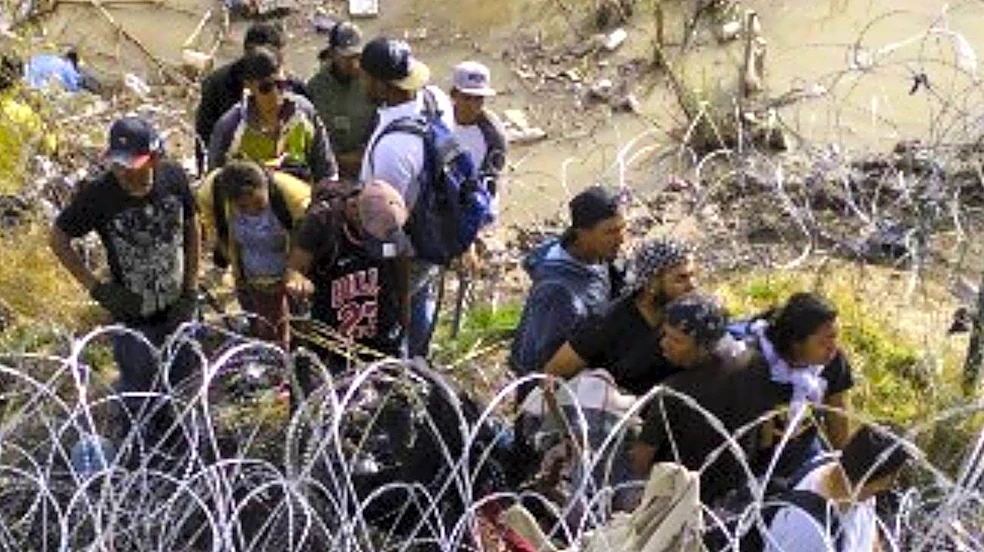
This shift in migration patterns has significant implications for European demographics, economies, and social structures. The substantial increase in foreign-born residents, particularly in countries like Germany and Spain, will necessitate adjustments in public services, housing, and labor markets. The high proportion of forcibly displaced individuals underscores ongoing global humanitarian crises and places additional pressure on European asylum and integration systems. The data, collected before the EU's Pact on Migration and Asylum took full effect, highlights the persistent challenges in managing external borders, as evidenced by the large-scale crossing into Ceuta from Morocco. This influx can strain social cohesion and public resources, potentially leading to political debates and policy shifts regarding immigration. The internal movement of migrants within Europe, with 74% of European-born migrants residing in another European country, also points to complex intra-continental dynamics and varying integration capacities among member states.
What's Next?
The full impact of the European Union’s Pact on Migration and Asylum, which aims to control external borders, will be closely watched as migration trends continue. Despite the pact's implementation, events like the Ceuta crossing suggest that border pressures remain high, particularly in countries like Spain. Future developments will likely involve continued efforts by EU member states to manage migrant flows, integrate new populations, and address the root causes of forced displacement. The UN's ongoing monitoring of international migrant stocks will provide crucial data for policymakers to assess the effectiveness of current strategies and adapt to evolving demographic realities. Discussions around burden-sharing among EU nations regarding migrant intake and asylum processing are also expected to intensify, especially as some countries bear a disproportionately larger share of the current border burden.
Beyond the Headlines
The demographic transformation of Europe, driven by these migration trends, extends beyond immediate policy challenges. It raises profound questions about national identity, cultural integration, and the future of European societies. The significant proportion of women and girls among international migrants, particularly in certain EU countries, highlights gender-specific considerations in integration policies and social support systems. The data also implicitly points to the economic contributions of migrant populations, as well as potential strains on social welfare systems. The contrast between Western and Eastern European countries in terms of foreign-born population shares suggests divergent approaches to immigration and varying levels of societal openness. This ongoing demographic shift could reshape political landscapes, influence electoral outcomes, and foster new social dynamics across the continent for decades to come.