








What's Happening?
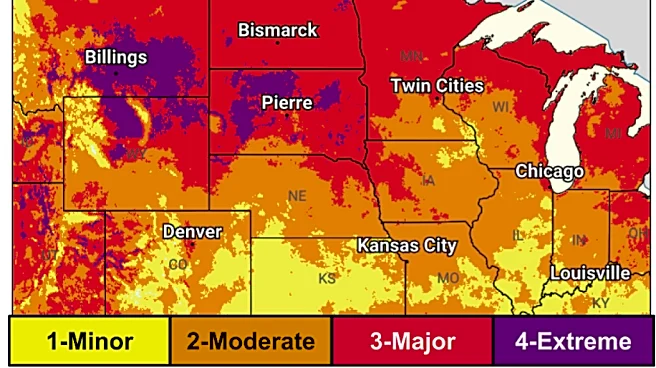
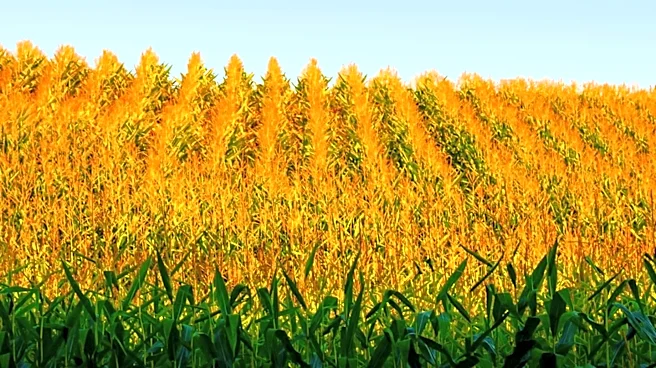
A heat dome is building across parts of the United States, bringing triple-digit temperatures. In the Corn Belt, the phenomenon known as 'corn sweat' is exacerbating the situation. Corn sweat refers to the moisture released by corn crops, which increases
humidity levels and makes temperatures feel hotter than they are. This effect is particularly pronounced in areas where temperatures remain in the 90s, as the added humidity can make these regions feel as hot as those experiencing triple-digit heat. The combination of high temperatures and increased humidity poses significant challenges for residents and agricultural operations in the affected areas.
Why It's Important?
The intensification of heat due to corn sweat has significant implications for public health, agriculture, and energy consumption. High humidity levels can increase the risk of heat-related illnesses, particularly among vulnerable populations such as the elderly and those with pre-existing health conditions. For farmers, the added heat stress can impact crop yields and livestock health, potentially leading to economic losses. Additionally, increased energy demand for air conditioning can strain power grids, leading to higher electricity costs and potential outages. Understanding and mitigating the effects of corn sweat is crucial for managing the impacts of extreme heat events in the region.