




What's Happening?
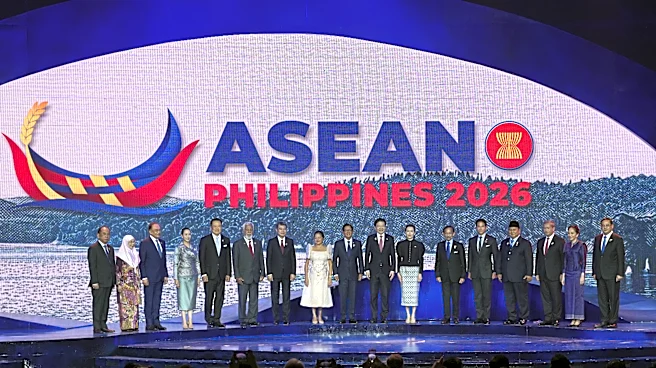
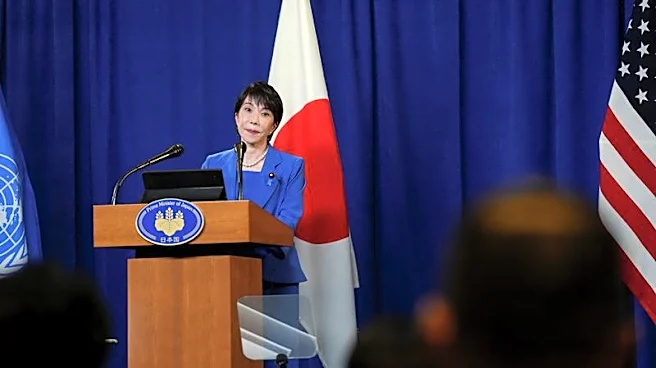
Japanese Prime Minister Takaichi Sanae is set to propose a new framework for coordinated oil stock releases at an upcoming summit on Asian energy cooperation. This initiative, driven by the current situation in the Middle East, will be presented at the Asia Zero
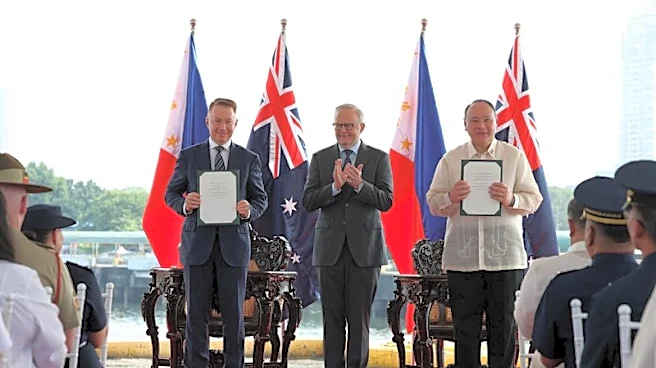
Emission Community (AZEC) summit in Manila, Philippines. The proposed framework aims to establish an Asian equivalent of the International Energy Agency, fostering deeper regional coordination and cooperation. Under this plan, participating countries would discuss rules for the joint release of oil reserves and coordinate resource sharing during energy crises. Additionally, the framework includes provisions for analyzing and sharing data to bolster stockpiles and stabilize markets across Southeast Asia. Japan also intends to offer its unused oil tanks to boost regional reserves, granting participating countries priority to purchase stored oil in emergencies. Prime Minister Sanae's four-day trip will include visits to the Philippines and China.
Why It's Important?
This proposal is significant for the U.S. as it addresses global energy security and stability, particularly in a region critical to international trade and geopolitical interests. The Middle East conflict has highlighted vulnerabilities in global oil supply chains, impacting oil prices and potentially leading to economic instability worldwide. A coordinated oil reserve framework in Southeast Asia could mitigate these risks by providing a buffer against supply disruptions, thereby stabilizing global oil markets. For the U.S., which relies on stable international energy markets, such a framework could help prevent price spikes and ensure predictable energy costs for consumers and industries. Furthermore, enhanced energy cooperation in Asia could strengthen regional alliances and reduce reliance on single-source suppliers, aligning with broader U.S. foreign policy goals of promoting stability and diversified energy sources. The initiative also underscores the growing importance of Asian nations in shaping global energy policy.
What's Next?
Prime Minister Takaichi Sanae will present the proposal at the AZEC summit in Manila. Following the presentation, discussions among leaders from Japan, Australia, and Southeast Asian countries will focus on the implementation details and potential commitments to the framework. Key next steps will involve establishing the rules for joint oil reserve releases, coordinating resource sharing mechanisms, and setting up data analysis and sharing protocols. The offer to utilize Japan's unused oil tanks for regional reserves will likely be a central point of negotiation, as it provides a tangible benefit for participating nations. The success of this initiative will depend on the willingness of Southeast Asian countries to commit to a unified energy security strategy. Future meetings and diplomatic efforts will be required to formalize agreements and operationalize the proposed framework, potentially leading to a more resilient energy landscape in Asia.
Beyond the Headlines
The Japanese proposal extends beyond immediate energy security by fostering a new level of regional integration and cooperation in Asia. By creating an 'Asian equivalent of the International Energy Agency,' Japan is positioning itself as a leader in regional stability and economic resilience. This move could have long-term implications for geopolitical dynamics, potentially shifting influence and creating new power blocs in energy policy. The emphasis on data sharing and coordinated action suggests a move towards a more transparent and collaborative approach to energy management, which could serve as a model for other regions. Ethically, the framework aims to ensure equitable access to essential resources during crises, promoting collective well-being over individual national interests. Culturally, it could foster greater trust and interdependence among diverse nations, strengthening regional identity and collective problem-solving capabilities in the face of global challenges.