
What's Happening?
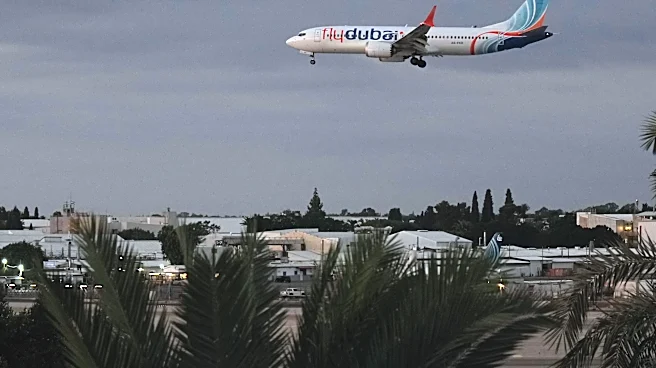
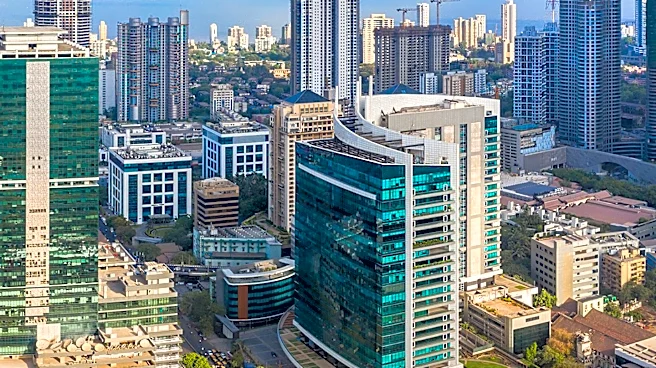
Mumbai is recognized as a significant cultural and financial center in India, characterized by its dynamic atmosphere, ambition, and diverse population. The city's primary air travel gateway is Chhatrapati
Shivaji Maharaj International Airport (BOM), which operates with two main terminals: Terminal 1 (T1) and Terminal 2 (T2). For ground transportation, Mumbai offers a comprehensive network of public options, including local rail services, traditional taxis, app-based ride-hailing services, air-conditioned buses, and the recently introduced Mumbai Metro Line 3. The city presents a wide array of attractions for visitors, ranging from sites reflecting its rich historical background to those showcasing its modern lifestyle.
Why It's Important?
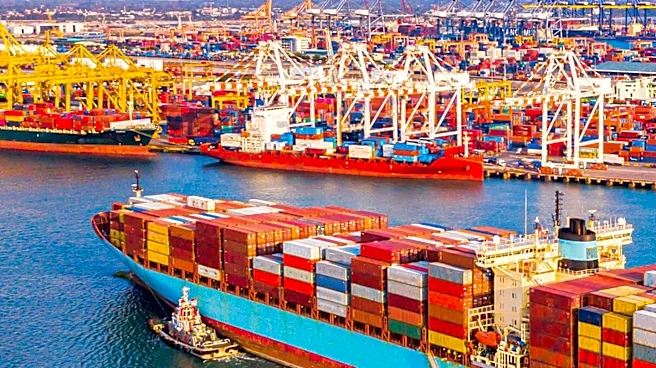
The identification of Mumbai as a major cultural and financial hub underscores its critical role in the global economy and its potential impact on international business and tourism. As a key gateway to India, its robust infrastructure, particularly its international airport and diverse public transportation system, facilitates significant movement of people and goods, which is vital for trade and cultural exchange. The city's blend of historical and modern attractions also positions it as a significant destination for tourism, contributing to the global travel industry and fostering cross-cultural understanding. For U.S. businesses and travelers, Mumbai represents a crucial point of engagement with the Indian market and culture, offering opportunities for investment, partnership, and exploration.
What's Next?
Given Mumbai's status as a major hub, future developments are likely to focus on enhancing its infrastructure and expanding its global connectivity. This could include further upgrades to Chhatrapati Shivaji Maharaj International Airport and the continued expansion of its public transportation networks, such as the Mumbai Metro, to accommodate growing demand. There may also be increased efforts to promote Mumbai as a destination for international business conferences and cultural events, further solidifying its role on the world stage. Stakeholders, including international airlines, tourism operators, and multinational corporations, will likely continue to invest in and expand their presence in Mumbai, anticipating sustained growth and opportunities.
Beyond the Headlines
Beyond its immediate economic and logistical importance, Mumbai's character as a vibrant, diverse, and ambitious city holds deeper implications. It serves as a microcosm of India's rapid development and its integration into the globalized world. The city's ability to blend its rich historical heritage with a modern, forward-looking ethos offers valuable insights into urban development and cultural preservation in rapidly growing economies. The continuous evolution of its public transport and infrastructure also highlights the challenges and successes of managing large-scale urbanization. For global observers, Mumbai represents a dynamic case study in how a city can simultaneously maintain its cultural identity while embracing economic progress and technological advancement.