




What's Happening?
As communities prepare for one of the most powerful El Niños on record in late 2026 and early 2027, experts are highlighting the rising health risks associated with the phenomenon. El Niño, a natural climate pattern, shifts global weather for months,
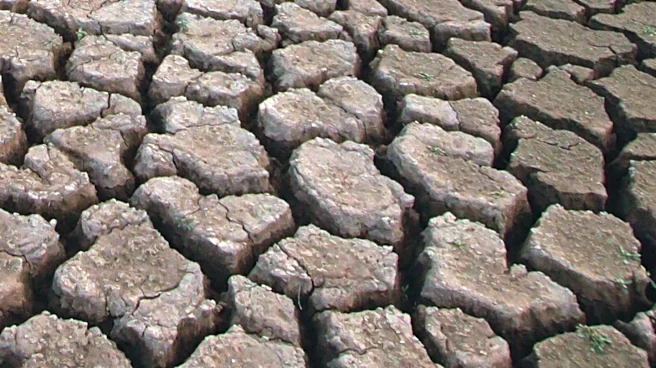
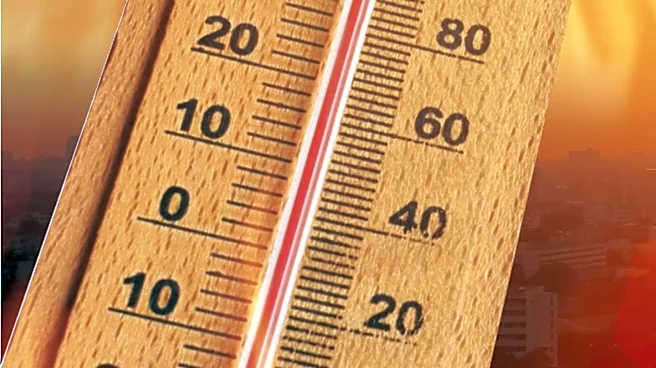
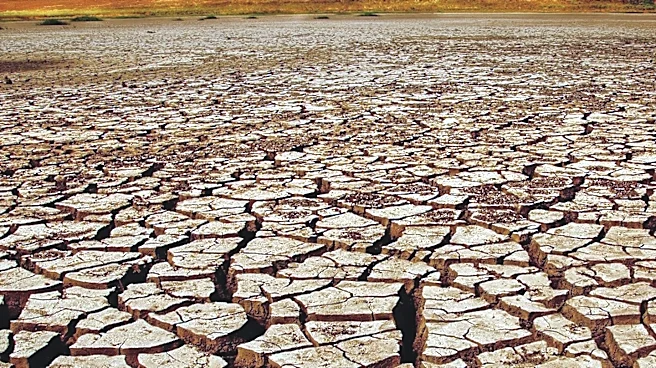
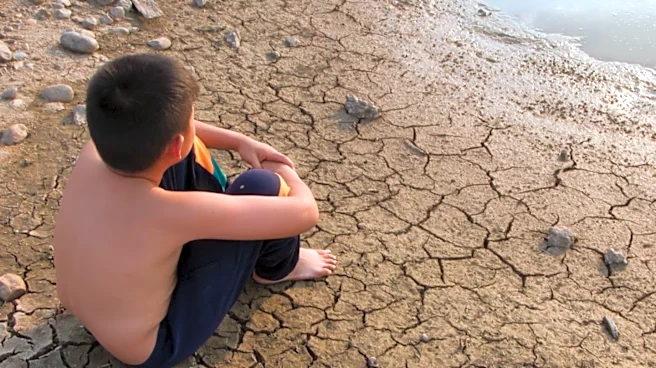
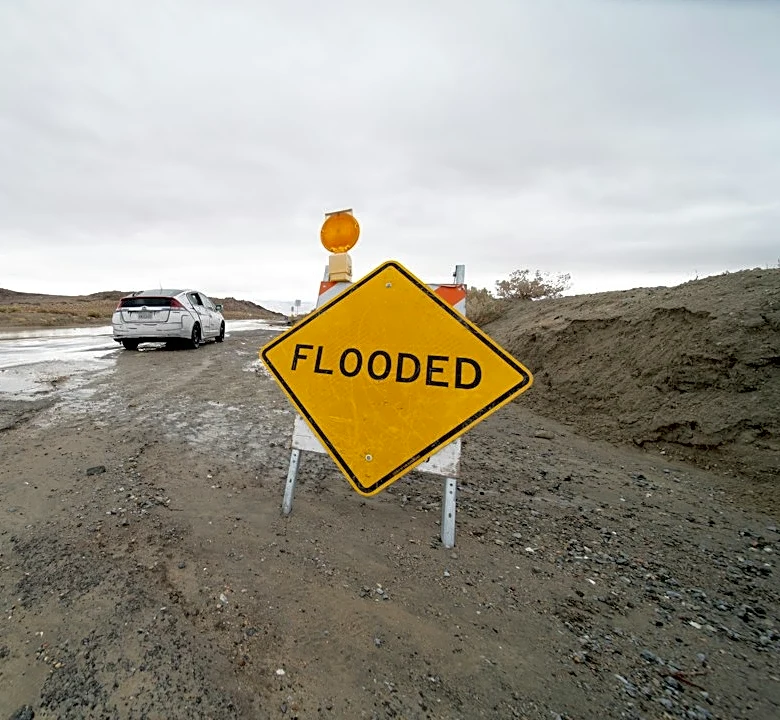
leading to increased global temperatures, heat waves, and altered precipitation patterns, including flooding in normally dry regions and droughts in normally wet areas. These conditions carry serious health consequences, such as increased risks of infections from floodwaters, poor air quality and malnutrition from droughts, and mental health issues like anxiety and post-traumatic stress from extreme weather events. Researchers in psychology, global health, and Earth system science emphasize the need for early weather warnings to include health-specific advice and for communities to integrate mental health counseling into preparedness plans.
Why It's Important?
The health implications of El Niño extend beyond immediate physical harm, affecting vulnerable populations disproportionately. Individuals relying on in-home medical equipment, those in rural areas far from hospitals, and communities facing language barriers are at higher risk during extreme weather events. Disruptions to power and water supplies can be life-threatening for those dependent on medical devices. The long-term health consequences, including chronic stress and increased risk of various illnesses, underscore the need for comprehensive public health strategies. Effective early warning systems that provide actionable information, such as guidance on avoiding polluted floodwaters, evacuation routes, and access to mental health support, are crucial for protecting public health and ensuring continuity of care during and after disasters.
What's Next?
Communities are urged to proactively identify areas and populations most at risk by combining regional weather outlooks with local information. State departments of health and social services can use this data to provide targeted guidance, while community organizations can ensure alerts reach individuals with language barriers. Protecting the continuity of clinical care is also vital, requiring coordination between health systems, public health departments, and healthcare providers to support patients dependent on regular medical appointments or transportation. Furthermore, weather warnings should evolve to offer practical advice on accessing food, safe water, and mental health support. The ability to detect El Niño signs months in advance provides a critical window for preparation, allowing communities to implement preventive measures and empower residents with actionable information.
Beyond the Headlines
The health-focused perspective on El Niño reveals deeper societal vulnerabilities and the need for a holistic approach to disaster preparedness. It highlights the ethical imperative to protect the most vulnerable members of society, ensuring equitable access to information and resources during climate-induced crises. The emphasis on mental health, often overlooked in disaster planning, points to a growing recognition of the psychological toll of extreme weather. This integrated approach, combining meteorological forecasts with public health interventions and community engagement, represents a shift towards more resilient and human-centered disaster management strategies. It also underscores the importance of interdisciplinary collaboration between climate scientists, public health officials, and social service providers.