






What's Happening?
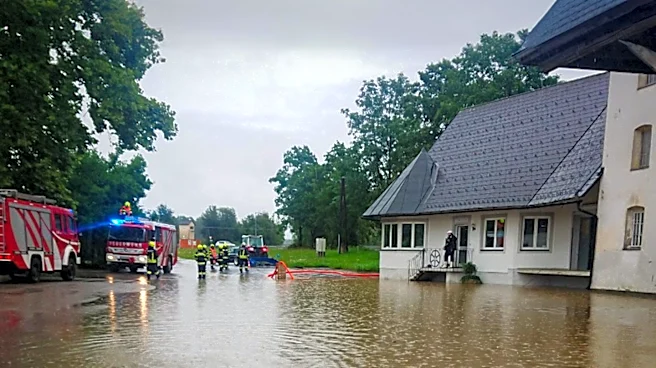
Heavy rain and thunderstorms led to significant flooding across parts of Massachusetts and Cape Cod on Friday. In Falmouth, police advised residents to avoid flooded roads and shared images of a submerged gas station and water entering their own station,
prompting them to call in off-duty officers for assistance. Video footage depicted rivers of water flowing through Falmouth and flooded streets in Brockton. A lightning strike in Abington on Thursday caused a fire, while Friday's heavy rains resulted in a Cape Cod gas station being inundated. The National Weather Service issued a flood watch for parts of Bristol and Plymouth counties, as well as sections of Rhode Island, anticipating an additional 1-2 inches of rain on top of what had already fallen. A flash flood warning was in effect for Bristol and Plymouth counties on Friday night, alongside a severe thunderstorm warning for southeastern Massachusetts, with minor flooding possible in Boston and surrounding areas.
Why It's Important?
The widespread flooding in Massachusetts and Cape Cod highlights the immediate dangers and disruptions caused by severe weather events. For residents, the impact includes hazardous driving conditions, potential property damage, and the risk of displacement. Businesses, such as the flooded gas station in Falmouth, face operational interruptions and financial losses. The need for police to call in off-duty officers underscores the strain such events place on emergency services and local infrastructure. Furthermore, the National Weather Service's warnings and flood watches indicate a broader regional vulnerability to heavy rainfall, which can lead to long-term issues like erosion, infrastructure damage, and increased costs for municipal maintenance and disaster preparedness. The Massachusetts Emergency Management Agency's warning to drivers emphasizes the public safety risks associated with attempting to navigate flooded roads.
What's Next?
Following the immediate flooding, affected areas in Massachusetts and Cape Cod will focus on recovery and damage assessment. Local authorities will likely continue to monitor road conditions and issue advisories regarding safety and cleanup efforts. Residents will begin the process of assessing property damage and initiating repairs. Emergency services will remain vigilant for any lingering hazards, such as downed power lines or structural damage. The National Weather Service will continue to provide updates on weather patterns, and local governments may evaluate the effectiveness of current drainage systems and emergency response protocols in light of these events. There may also be discussions about long-term infrastructure improvements to better mitigate the impact of future heavy rainfall.
Beyond the Headlines
The recurring nature of severe weather events, including heavy rainfall and associated flooding in regions like Massachusetts, points to a larger trend of climate variability. Beyond the immediate inconvenience and damage, these incidents raise questions about urban planning, infrastructure resilience, and environmental sustainability. The strain on emergency services and the disruption to daily life underscore the need for proactive measures, such as upgrading stormwater management systems and implementing stricter building codes in vulnerable areas. Furthermore, the economic impact on local businesses and the potential for increased insurance claims highlight the broader financial implications of climate-related disasters, prompting discussions about risk management and adaptation strategies for coastal and low-lying communities.