



What's Happening?
A growing bipartisan coalition of U.S. politicians and local authorities is opposing Flock Safety's automatic license plate recognition cameras. Over 100 jurisdictions have already terminated contracts with the company, according to the nonprofit Institute
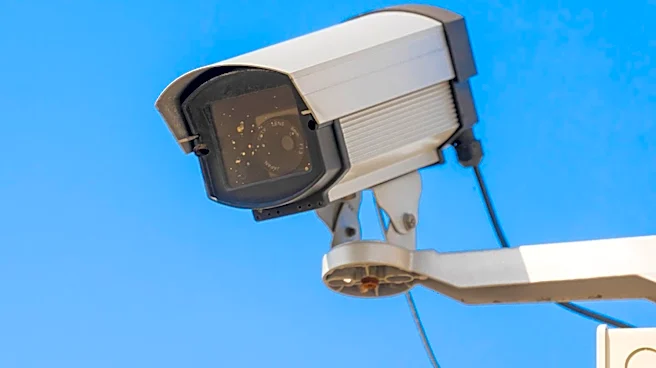
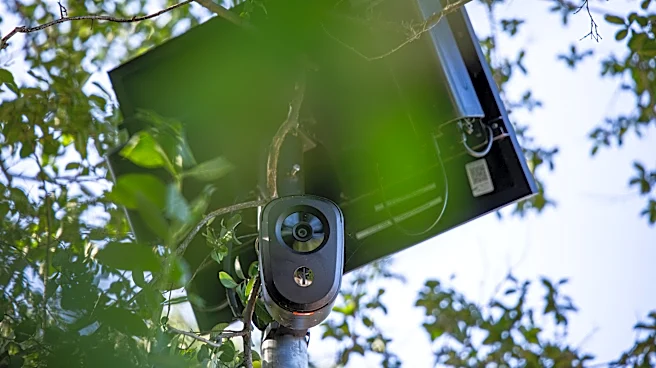
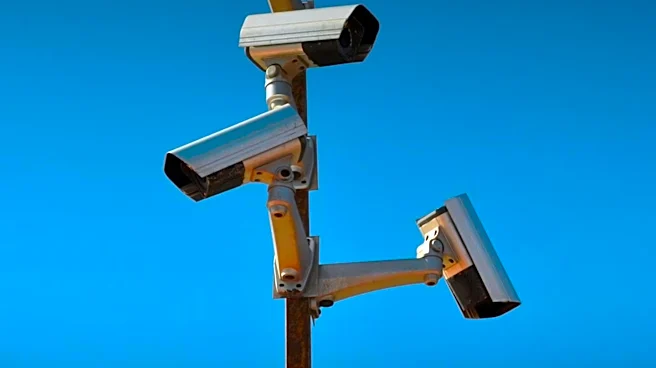
for Justice. Flock Safety, founded in 2017, operates approximately 120,000 cameras across the United States, conducting about 2 billion scans monthly. These cameras photograph vehicle license plates, allowing police and private security firms to track vehicle movements. The company's software facilitates data sharing among law enforcement agencies, including U.S. Immigration and Customs Enforcement (ICE). The controversy intensified following reports of alleged misuse by police officers, who reportedly used the system to stalk former partners and track individuals seeking abortions. Texas Governor Greg Abbott has blocked state agencies from purchasing Flock products, while Senator Bernie Sanders plans to introduce legislation to restrict camera use. Senator Josh Hawley has initiated an inquiry into potential privacy violations, and Democratic Congressman Ro Khanna and Republican Congressman Thomas Massie are co-authoring a bill to prohibit federal funding for Flock cameras.
Why It's Important?
The increasing opposition to Flock Safety cameras highlights significant concerns regarding privacy, surveillance, and potential misuse of technology in the United States. The widespread deployment of these cameras, which scan billions of license plates monthly, creates a vast network capable of tracking individuals' movements, raising questions about civil liberties and government oversight. The alleged misuse by law enforcement officers for personal reasons or to track sensitive activities like abortion access underscores the potential for abuse within such systems. This bipartisan pushback indicates a broad societal discomfort with pervasive surveillance technologies, transcending traditional political divides. The actions by state governors, senators, and congressmen reflect a growing demand for accountability and regulation in the use of AI-powered surveillance tools, impacting both public safety strategies and individual rights. The public's increasing opposition, with 46% of Americans against these systems, suggests a shift in public sentiment towards greater privacy protection.
What's Next?
The bipartisan legislative efforts in Congress, including the bill co-authored by Congressman Ro Khanna and Congressman Thomas Massie to ban federal funding for Flock cameras, indicate a potential for new federal regulations. Senator Bernie Sanders's intention to introduce legislation to limit camera use further suggests that federal action to restrict or regulate automatic license plate recognition systems is likely. State-level actions, such as Texas Governor Greg Abbott's ban on state agencies purchasing Flock products, may inspire similar measures in other states. As more municipalities cancel contracts, the company may face significant operational and financial challenges, potentially leading to a reevaluation of its business model or increased pressure to implement stricter privacy safeguards. Public protests and the spread of videos showing camera destruction on social media could also intensify, further pressuring policymakers and the company to address privacy concerns. The ongoing inquiry by Senator Josh Hawley into privacy violations will likely bring more scrutiny to Flock Safety's data collection and sharing practices.
Beyond the Headlines
The debate surrounding Flock Safety cameras extends beyond immediate privacy concerns to broader implications for the future of surveillance in a technologically advanced society. The ability of law enforcement agencies to share license plate data across state lines and with federal entities like ICE raises questions about the creation of a national surveillance infrastructure without explicit public consent or robust legal frameworks. This development could set precedents for how other AI-powered surveillance technologies are adopted and regulated, influencing the balance between public safety and individual freedoms. The bipartisan nature of the opposition suggests a fundamental re-evaluation of the social contract regarding privacy in the digital age, potentially leading to new legal interpretations of Fourth Amendment rights in the context of ubiquitous data collection. The public's growing discomfort also highlights a potential shift in societal values, where the perceived benefits of security are increasingly weighed against the erosion of personal anonymity and freedom of movement.