


What's Happening?
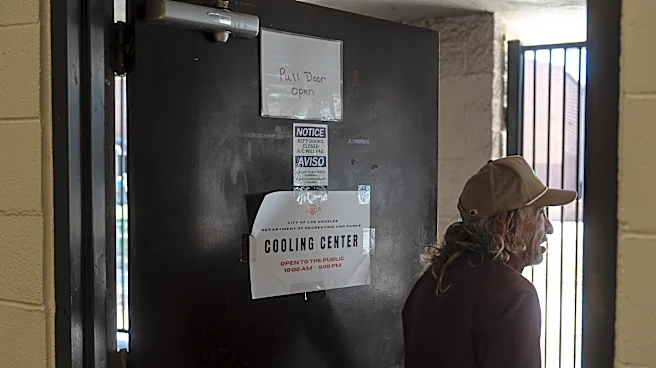
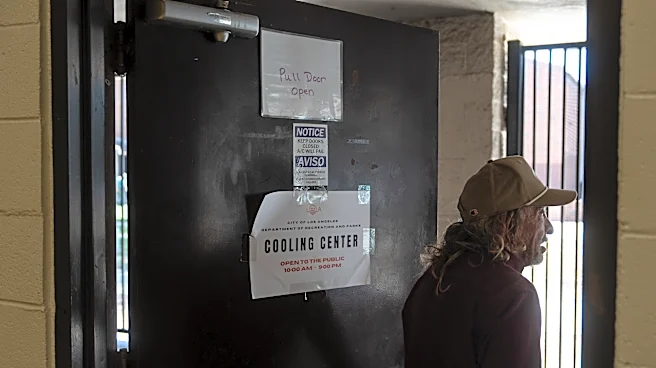
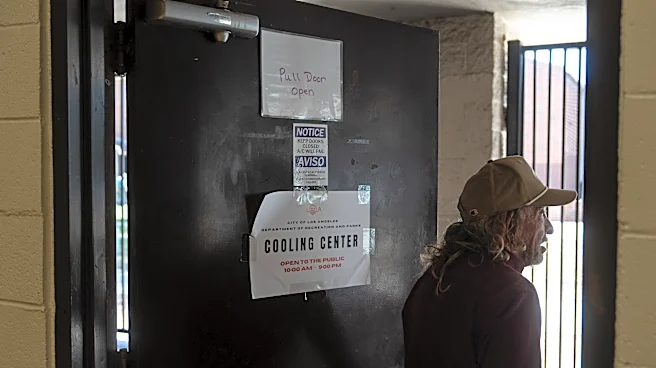
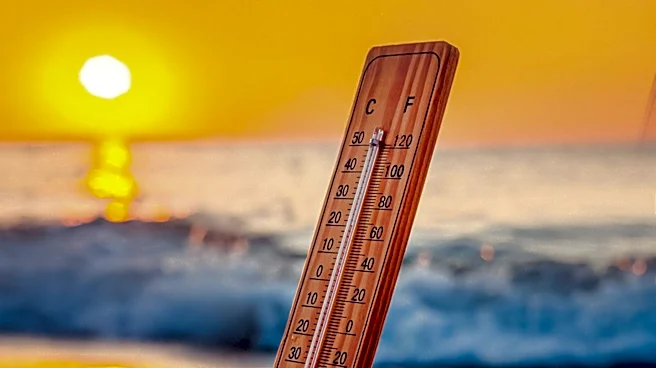
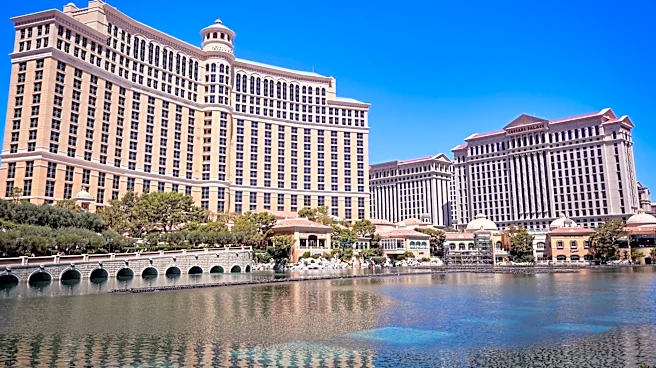
A significant heatwave is forecasted to affect the Western U.S., with temperatures expected to exceed 115°F in cities like Las Vegas and Phoenix. The National Weather Service has issued extreme heat warnings across the region, including parts of the L.A.
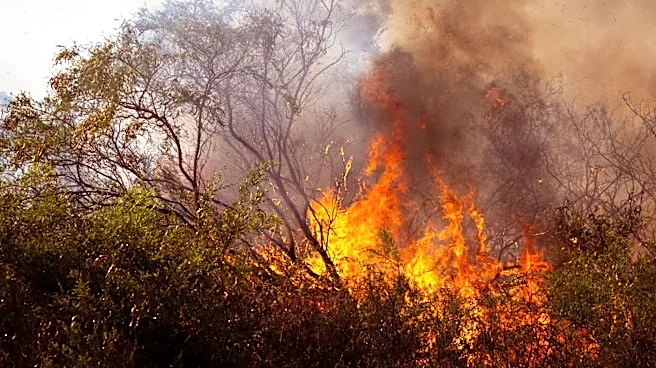
Basin, Salt Lake City, and the Great Basin. The heatwave is part of a broader pattern of record-high temperatures affecting the West this year. The extreme heat is expected to persist into the first week of August, impacting popular national parks and increasing the risk of wildfires. Residents are advised to take precautions, such as staying indoors during peak heat and staying hydrated.
Why It's Important?
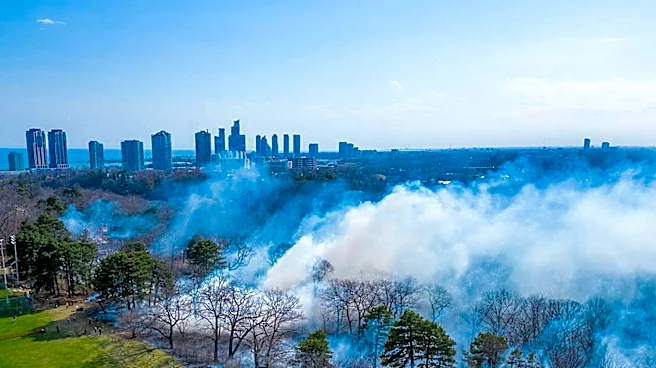
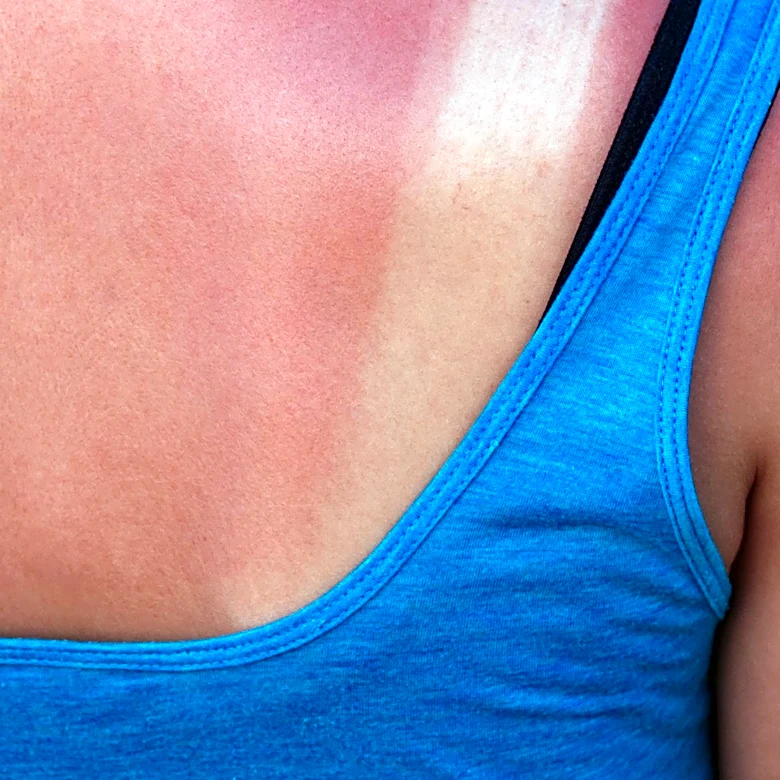
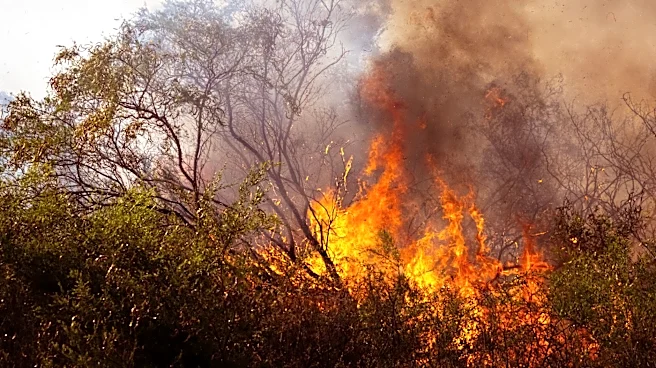
The heatwave poses significant health risks, particularly for vulnerable populations without access to air conditioning. It also increases the likelihood of wildfires, which can lead to property damage, environmental degradation, and economic losses. The situation highlights the broader impacts of climate change, as extreme weather events become more frequent and severe. The economic implications include increased energy demand, potential disruptions to tourism, and challenges for emergency services. The heatwave underscores the need for effective climate adaptation strategies and public awareness campaigns to mitigate risks.
What's Next?
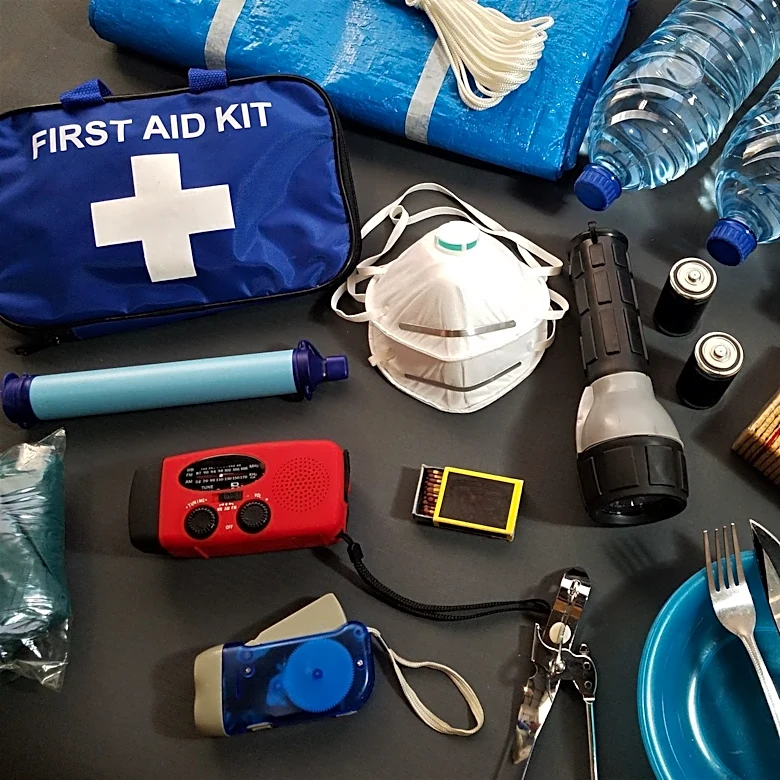
As the heatwave continues, authorities will focus on public safety measures, including heat advisories and emergency services. The situation may prompt discussions on climate resilience and infrastructure improvements to better handle extreme weather events. Residents are encouraged to stay informed and take precautions to protect themselves from the heat. The ongoing wildfire risks will require continued monitoring and response efforts from firefighting agencies.