


What's Happening?
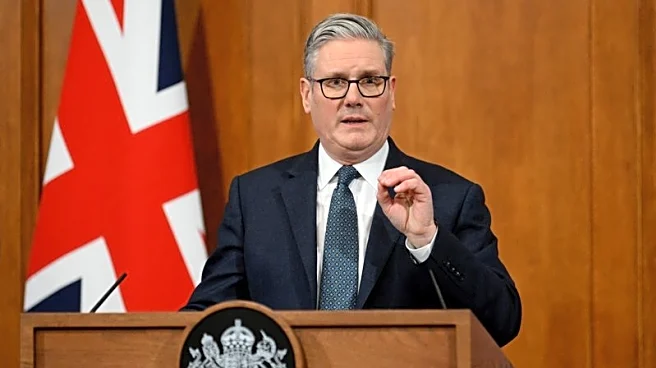
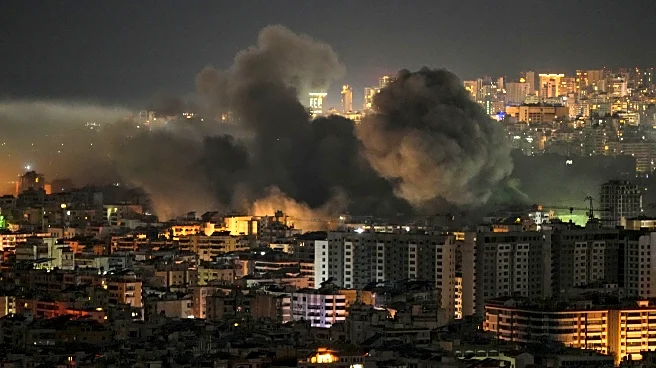
British Prime Minister Keir Starmer has reaffirmed the 'special relationship' between the United Kingdom and the United States, despite recent criticism from US President Donald Trump. The criticism arose after Starmer initially hesitated to support US military
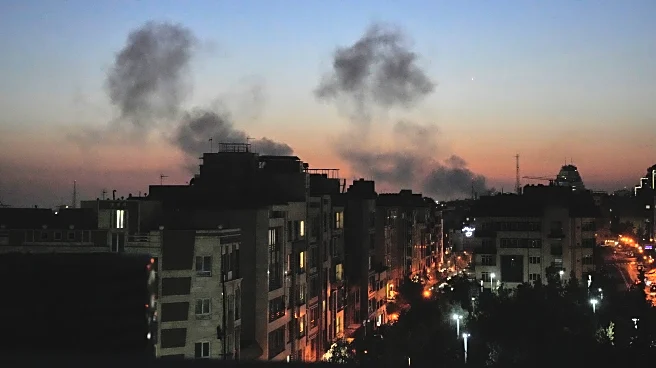
actions against Iran. Starmer defended his decision to withhold initial access to British bases for the US-Israeli campaign, later participating in defensive operations after Iran's retaliatory actions. He emphasized the ongoing intelligence sharing and joint operations between the two nations. Starmer's government has committed additional military resources, including deploying a warship and helicopters with counter-drone capabilities, and sending Typhoon fighter jets to Qatar. The UK is also working to repatriate citizens stranded in the Middle East due to the conflict.
Why It's Important?
The reaffirmation of the UK-US 'special relationship' is significant as it underscores the enduring alliance between the two nations, particularly in matters of international security and intelligence sharing. This relationship is crucial for both countries' strategic interests in the Middle East and their ability to respond to regional threats. The criticism from President Trump highlights the complexities of international diplomacy and the challenges leaders face in balancing national interests with global alliances. The UK's military commitments and efforts to repatriate citizens demonstrate its active role in addressing the consequences of the conflict in the Middle East.
What's Next?
The UK will continue to navigate its diplomatic and military strategies in the Middle East, balancing its alliance with the US and its own national interests. The deployment of additional military resources suggests a commitment to maintaining regional stability and protecting British nationals. The ongoing dialogue between the UK and US will likely focus on coordinating efforts to address the evolving security situation in the region. The response from other international stakeholders, including European allies, will also play a role in shaping future actions and policies.