








What's Happening?
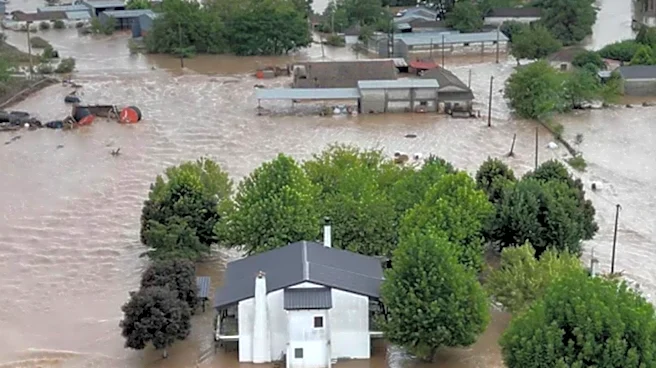
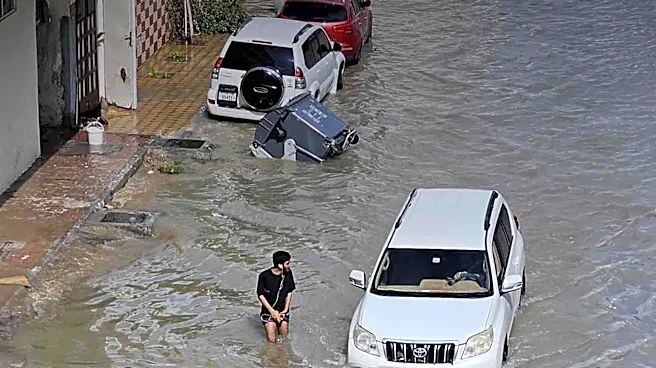
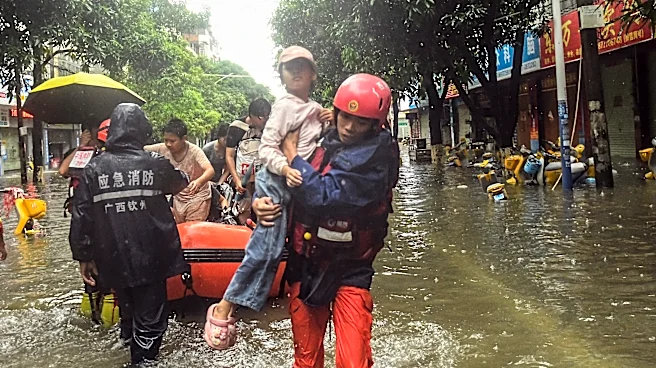
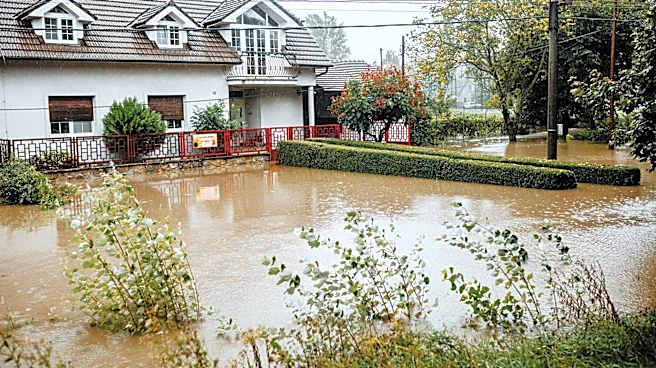
In Lagos, Nigeria, residents are experiencing significant psychological distress due to frequent and severe flooding. The floods, exacerbated by torrential rains, clogged drainage systems, and rising sea levels, have led to repeated displacement and loss
of property. Survivors, such as Daniel Ebiesua and Joseph Moko, report heightened anxiety and fear whenever it rains, fearing further flooding. Mental health professionals highlight the phenomenon of 'climate anxiety' and 'ecological grief,' where the anticipation of environmental disasters leads to chronic stress and emotional exhaustion. The psychological toll is compounded by the lack of adequate mental health services, as Nigeria faces a significant treatment gap for mental illness.
Why It's Important?
The psychological impact of climate-related disasters like flooding is a critical but often overlooked aspect of the climate crisis. In Lagos, the mental health burden on residents is significant, affecting their ability to rebuild and maintain livelihoods. This situation underscores the need for comprehensive disaster response strategies that include mental health support. The ongoing stress and anxiety can lead to long-term health issues, such as depression and hypertension, further straining the healthcare system. Addressing these mental health challenges is crucial for the resilience and recovery of affected communities.
What's Next?
As the Nigeria Hydrological Services Agency warns of another dangerous flooding season, more than 14,000 communities are at high risk. This situation calls for urgent action from government and humanitarian organizations to provide not only physical relief but also psychological support. Strengthening community networks and increasing access to mental health services are essential steps in mitigating the long-term impacts of climate-related stress. Additionally, improving infrastructure to manage floodwaters and prevent future disasters is critical to reducing the frequency and severity of these events.
Beyond the Headlines
The recurring floods in Lagos highlight broader issues of climate justice and the disproportionate impact of climate change on vulnerable populations. The psychological toll on residents is a reminder of the human cost of environmental degradation and the urgent need for global action to address climate change. Furthermore, the situation in Lagos serves as a case study for other regions facing similar challenges, emphasizing the importance of integrating mental health considerations into climate adaptation and resilience planning.