
What's Happening?
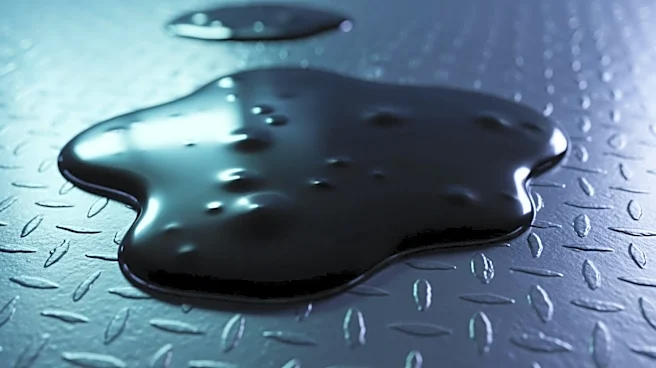
Researchers at the University of Minnesota, Duluth, have analyzed a mysterious black substance found inside a research vessel on the Great Lakes, dubbed 'ShipGoo001.' The substance, discovered during routine
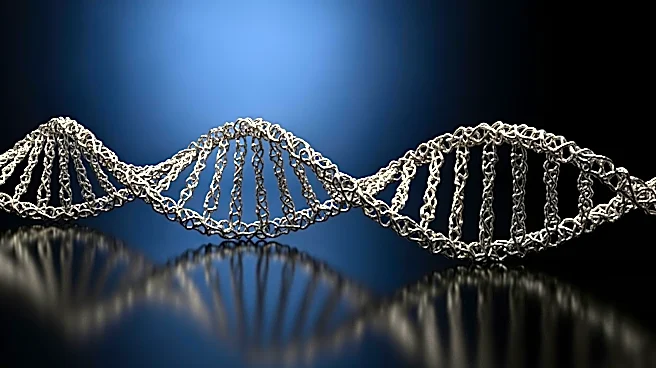
maintenance aboard the R/V Blue Heron, contained DNA and biomass, leading to the reconstruction of 20 genomes. Some of these genomes represent entirely new branches of life, including a potential new order of archaea and a new bacterial phylum. The microbes thrive in semi-warm, oxygen-free environments, similar to the ship's mechanical systems.
Why It's Important?
The discovery of new life forms in the black goo highlights the resilience and adaptability of life, even in human-made environments. This finding could have significant implications for understanding microbial life and its potential environmental impact, particularly in terms of methane production. It underscores the importance of exploring and studying unique environments to uncover new species and expand our knowledge of biodiversity.