
What's Happening?
In 1916, Brig. Gen. John J. Pershing led a U.S. military expedition into Mexico to capture Pancho Villa following his raid on Columbus, New Mexico. This operation marked the last major U.S. cavalry action
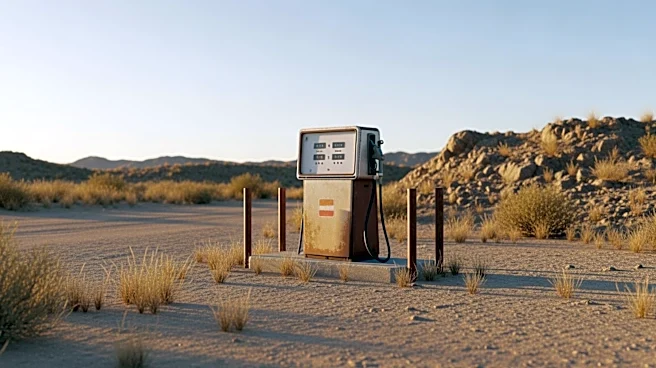
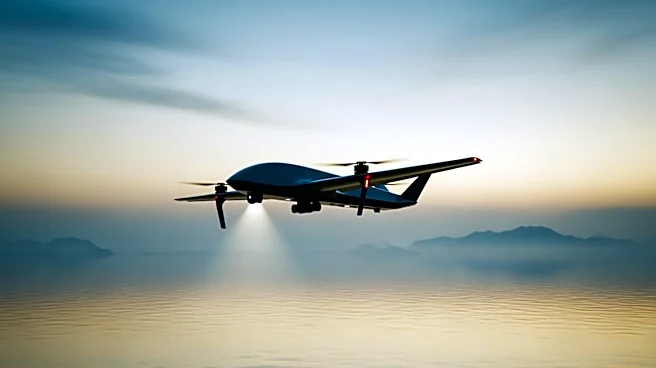
and the first use of motorized vehicles and aircraft in American military combat. Despite not capturing Villa, the expedition provided valuable training for future military leaders and highlighted the importance of logistics and mechanized warfare. The operation involved 10,000 troops and extended over 500 miles into Mexican territory, ultimately shaping the U.S. Army's approach to modern warfare.
Why It's Important?
The expedition into Mexico was a pivotal moment in military history, demonstrating the shift from traditional cavalry tactics to modern mechanized warfare. It served as a training ground for future military leaders who would later play significant roles in World War I and II. The operation's logistical challenges and the use of new technologies like aircraft and motorized vehicles laid the groundwork for the development of a more mobile and flexible military force. This transformation was crucial in preparing the U.S. military for the demands of 20th-century warfare.
Beyond the Headlines
The expedition's failure to capture Villa did not diminish its impact on military strategy. It highlighted the need for improved communication and coordination in military operations, leading to advancements in command and control systems. The experience gained during the expedition also influenced the U.S. military's approach to international conflicts, emphasizing the importance of adaptability and innovation in warfare. The lessons learned from this operation continue to inform military tactics and strategies today.