









What's Happening?
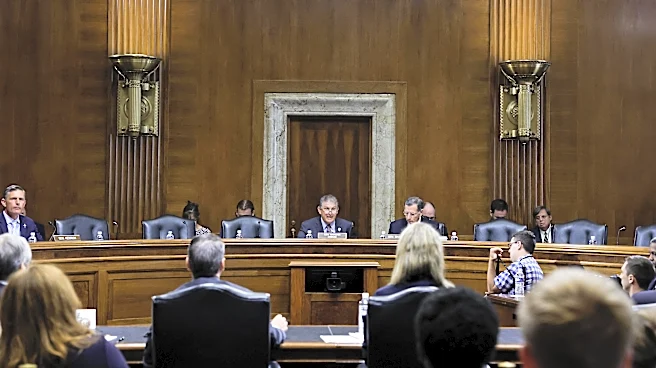
Four U.S. senators have introduced a major permitting reform bill aimed at accelerating energy and resource development by streamlining environmental reviews. This legislative effort seeks to address the paradox of the U.S. importing 57% of its copper,
despite possessing the world's seventh-largest known unmined copper reserves. The bill's proponents argue that current federal permitting burdens can delay domestic resource production for decades, with some mining projects stalled for over 20 years. The Pacific Legal Foundation (PLF) highlights that opening a new mine in the U.S. takes an average of 29 years. Environmental groups, however, are pushing back, expressing concerns that the bill could weaken environmental protections, citing examples like the successful blocking of the Pebble copper mine in Alaska. The debate centers on balancing the need for critical resources, essential for modern society and decarbonization goals, with environmental preservation.
Why It's Important?
This permitting reform bill is crucial for U.S. economic independence and national security, particularly in the context of critical minerals like copper. The U.S. reliance on foreign sources for essential resources, such as copper from Chile, creates vulnerabilities in supply chains and can have significant geopolitical implications. Domestic production of copper is vital for various sectors, including electricity, construction, and electronic devices, and is indispensable for achieving decarbonization goals, as both copper and nickel are key components in electric technologies. The current lengthy and complex permitting process not only hinders economic growth and job creation but also potentially shifts environmental burdens to other countries with less stringent regulations. By streamlining permitting, the U.S. could reduce its environmental footprint abroad and strengthen its domestic industrial base, ensuring a more stable and secure supply of materials necessary for its technological and environmental future.
What's Next?
The proposed permitting reform bill faces significant opposition from environmental groups, who are actively mobilizing to prevent its passage. Their strategy, as revealed in a leaked call, is to stop the bill rather than seek amendments. This suggests a contentious legislative battle ahead in the U.S. Congress. Proponents of the bill, including Senator Martin Heinrich, aim to create a system that allows for quicker decisions on projects, whether approval or rejection, without compromising environmental standards. The outcome of this legislative push will determine the future pace of domestic resource development and could significantly alter the landscape for mining projects across the U.S. The debate will likely continue to highlight the tension between environmental protection and the strategic need for critical mineral self-sufficiency, with potential implications for U.S. industrial policy and international trade relations.
Beyond the Headlines
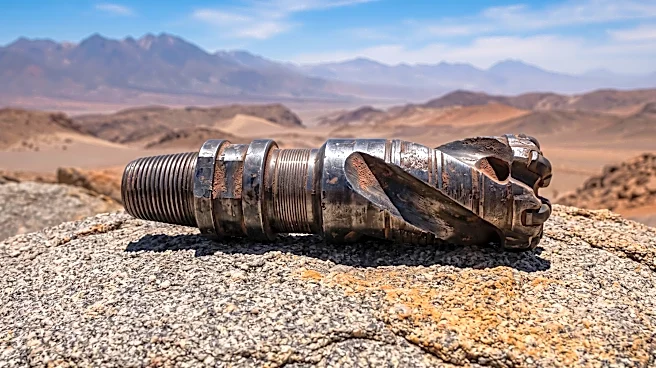
The debate surrounding permitting reform extends beyond immediate economic and environmental concerns, touching upon deeper ethical and philosophical questions about global environmental responsibility. The argument that blocking domestic resource projects merely shifts the environmental impact to other nations, such as the Atacama Desert in Chile, raises questions about the true cost of American environmentalism. It challenges the notion of 'moral victories' at home when the demand for resources remains constant, leading to environmental degradation elsewhere. This situation prompts a re-evaluation of how the U.S. balances its environmental aspirations with its consumption patterns and the global implications of its domestic policies. The discussion also highlights the complex interplay between national interests, international trade, and the universal challenge of sustainable resource management in an increasingly interconnected world.