







What's Happening?
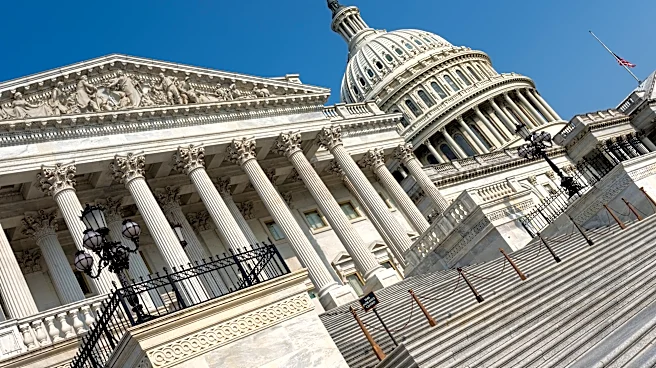
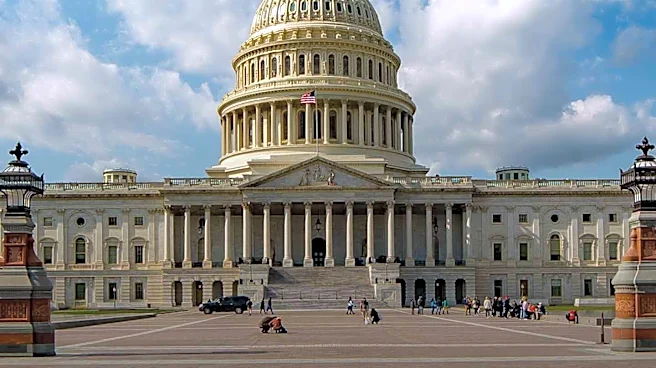
The U.S. House of Representatives has passed a bill, known as H.R. 7008, aimed at banning members of Congress from trading stocks while in office. The bill, which passed with a 232-198 vote, allows members to retain existing stock holdings but prohibits
new trades. It also includes a controversial voter ID provision, which has sparked debate and criticism. The bill's passage marks the first time a congressional stock trading ban has reached the House floor for a vote. However, the inclusion of the voter ID provision has led to accusations of political maneuvering, with some Democrats opposing the bill due to this addition.
Why It's Important?
The passage of this bill is a significant step in addressing concerns about potential conflicts of interest among lawmakers. By restricting stock trading, the bill aims to enhance transparency and trust in government. However, the inclusion of the voter ID provision has complicated the bill's reception, highlighting the challenges of passing bipartisan legislation. The controversy underscores the ongoing debate over voter ID laws and their implications for voting rights. The bill's progress reflects broader efforts to reform congressional ethics and address public concerns about insider trading.
What's Next?
The bill now moves to the Senate, where it may face further scrutiny and potential amendments. The inclusion of the voter ID provision could hinder its passage, as it may not garner the necessary bipartisan support. Lawmakers may need to negotiate and potentially separate the stock trading ban from the voter ID provision to increase its chances of becoming law. The outcome will likely influence future discussions on congressional ethics and voter ID laws, impacting legislative priorities and political strategies.