







What's Happening?
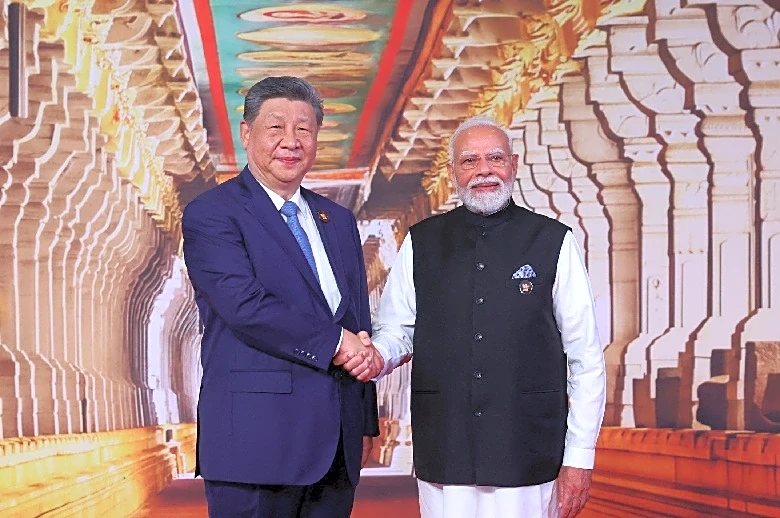
China Southern Airlines is set to resume regular passenger services on the Guangzhou-New Delhi route starting September 21, marking the end of a six-year suspension. This decision was announced ahead of Chinese President Xi Jinping's visit to India for
the BRICS summit. The airline plans to operate over 100 weekly flights across eight round-trip routes in South Asia following this restart. The suspension of direct flights between India and China began during the COVID-19 pandemic in 2020 and continued due to geopolitical tensions, including military standoffs. Other airlines, such as Air India, Air China, China Eastern Airlines, and IndiGo, have also gradually resumed or expanded their services between the two countries, indicating a broader trend of restoring air connectivity.
Why It's Important?
The resumption of flights by China Southern Airlines signifies a notable step in the gradual normalization of relations between India and China. This development is crucial for enhancing bilateral trade, facilitating travel for tourists and students, and strengthening people-to-people exchanges, which are considered vital for improving mutual trust and goodwill. The increased air connectivity can boost economic activities and cultural understanding between the two Asian giants. For businesses, it means easier logistics and reduced travel times, potentially leading to increased investment and trade flows. For individuals, it offers more convenient and direct travel options, impacting tourism and educational pursuits. The move also reflects a broader diplomatic effort to stabilize relations following years of tension.
What's Next?
The resumption of China Southern Airlines' flights is expected to be followed by further efforts to enhance air connectivity and bilateral relations between India and China. Chinese President Xi Jinping's visit to India for the BRICS summit, coinciding with this announcement, suggests ongoing diplomatic dialogues aimed at improving ties. Future developments may include the introduction of more flight routes by other airlines, increased frequency of existing services, and potentially further easing of travel restrictions. Stakeholders, including businesses and educational institutions, will likely leverage these improved connections for greater engagement. The continued normalization of relations could lead to broader cooperation in various sectors, impacting regional stability and economic growth.
Beyond the Headlines
Beyond the immediate impact on travel and trade, the resumption of these flights carries deeper implications for the geopolitical landscape of Asia. It signals a cautious but deliberate move towards de-escalation and normalization of relations between two major global powers, which have experienced significant friction in recent years. This development could influence regional alliances and economic partnerships, potentially fostering a more stable environment for investment and development. The emphasis on people-to-people exchanges highlights a strategy to build trust from the ground up, which is essential for long-term diplomatic stability. The ethical dimension involves balancing national security concerns with the benefits of international cooperation and connectivity.


