





What's Happening?
A recent assessment by the International Union for the Conservation of Nature (IUCN) under its 'Red List of Ecosystems' indicates that nearly all shallow-water coral reef ecosystems globally face an extremely high risk of collapse by 2075. The assessment classifies
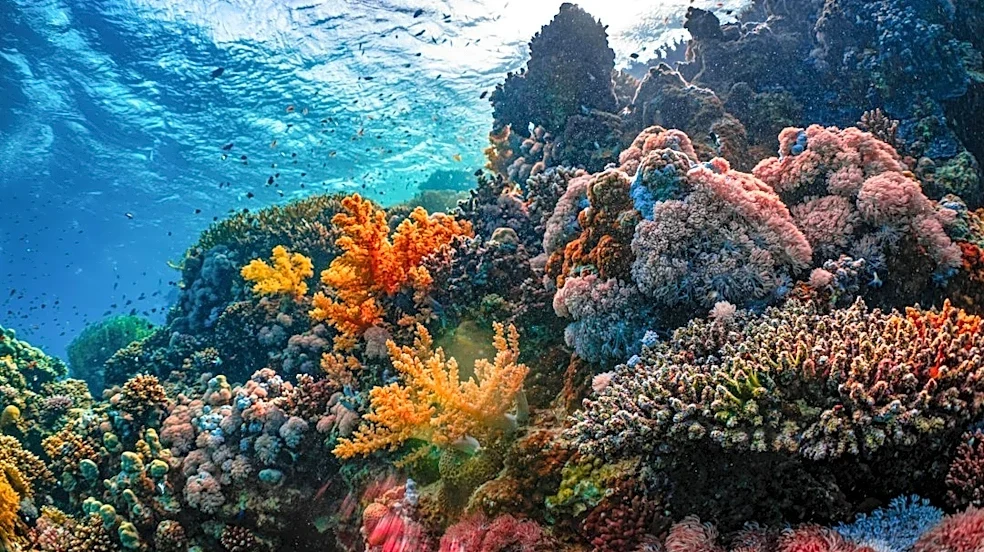
96% of these ecosystems as 'Critically Endangered.' This comprehensive analysis covers 127 tropical and subtropical ecoregions, encompassing 188,362 square kilometers of coral reefs worldwide. Major coral reef systems, including Australia's Great Barrier Reef, the Coral Triangle, the Mesoamerican Barrier Reef System, and the Red Sea coral reefs, are all listed as 'Critically Endangered,' the highest threat level. The assessment considers historical observations, current conditions, and future projections of ocean warming, with heat stress from climate change identified as the primary driver of decline. Mass bleaching events, caused by ocean warming and marine heatwaves, are leading to widespread coral mortality with increasing frequency. The Intergovernmental Panel on Climate Change's 'middle-of-the-road' scenario, used in the assessment, projects a 2.7°C atmospheric warming by the end of the century, contributing to continued ocean surface temperature increases.
Why It's Important?
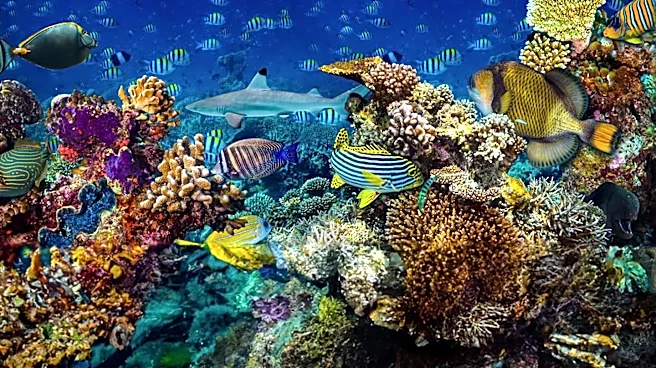
The potential collapse of coral reef ecosystems carries significant implications for the U.S. and global marine environments, economies, and coastal communities. Coral reefs are crucial indicators of ocean health, supporting a quarter of all marine species and providing essential food, shelter, and breeding grounds. Their decline directly impacts the safety and livelihoods of coastal communities that depend on them, as well as key economic sectors such as fisheries, aquaculture, and coastal tourism. The report highlights that depleted fish populations, particularly of herbivore and predator species like parrotfish and grouper, disrupt the ecological balance of reefs and hinder their ability to recover from heat stress, threatening 63% of these ecosystems. This ecological imbalance can lead to cascading effects throughout the marine food web, affecting commercial fishing industries and local economies reliant on healthy marine life. While the situation is dire, the IUCN emphasizes that a critical window for action remains. Ambitious emissions reductions, stronger protection, and restoration efforts, along with sustained investment in resilient coastal ecosystems, are crucial to prevent widespread collapse and mitigate the severe economic and environmental consequences.
What's Next?
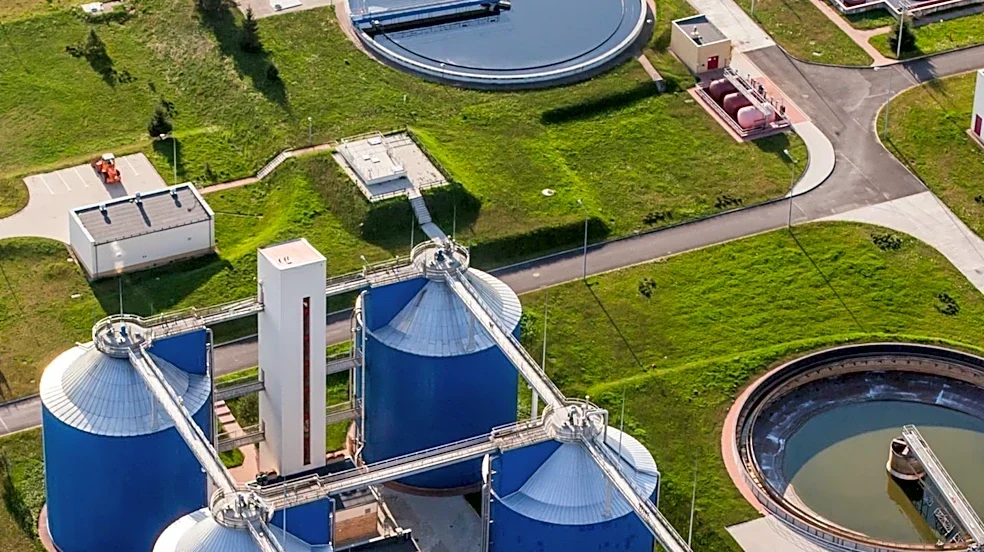
The IUCN's assessment serves as a critical call to action for policymakers, conservationists, and the public. Decisive measures are needed to tackle climate change and halt further ocean warming. This includes ambitious reductions in greenhouse gas emissions, which is identified as the most urgent and important step. Additionally, national and local authorities must implement actions such as keeping coastal waters clean from pollution and ensuring sustainable fishing practices. These local efforts can significantly aid coral reefs and other ecosystems like seagrass meadows and mangroves in their recovery. The report suggests that effective conservation, including expanding marine protections and restoring key fish stocks, can still make a real difference by easing local pressures. The ongoing efforts to preserve coral biodiversity, such as the groundbreaking project on Australia's Great Barrier Reef to collect and safeguard threatened species, represent a path forward. The success of these initiatives will depend on a concerted global effort to address both the overarching threat of climate change and localized stressors.
Beyond the Headlines
The dire state of coral reefs underscores a broader ethical and environmental challenge: the profound impact of human activity on natural ecosystems. The assessment reveals that even without future climate projections, 24% of coral reefs would still be critically endangered based on observed changes over the past 50 years, highlighting long-standing issues like overexploitation and pollution. The report's finding that some regions, like East Asia and the Northern Red Sea, show historical resilience or unusual thermal tolerance, offers valuable insights into potential adaptation strategies and the importance of localized factors. However, the pervasive nature of heat stress from climate change means that even resilient areas are ultimately vulnerable without global action. The interconnectedness of marine ecosystems is also evident, as the decline of coral reefs impacts countless species and human communities globally. This situation prompts a re-evaluation of our relationship with the ocean, emphasizing that its health is intrinsically linked to human well-being and economic stability. The challenge extends beyond conservation to a fundamental shift in how societies consume resources and manage their environmental footprint.