
What's Happening?
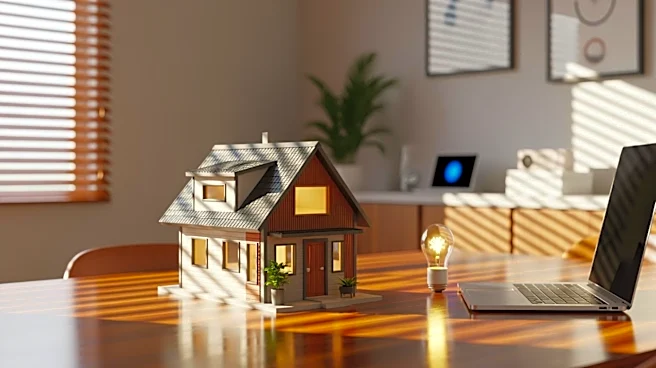
Jim McElwain, a tech salesman from Ohio, has constructed a 400-square-foot tiny home on his rural property as a DIY project over the past decade. Initially a hobby, the project evolved into a potential
income source as McElwain plans to list the home on Airbnb for $250 a night. The tiny home, built without formal architectural plans, features a kitchen, shower, and air conditioning. McElwain invested approximately $45,000 in the project, utilizing YouTube tutorials for guidance and hiring professionals only for electrical and plumbing work. The property, surrounded by seven acres of woods and fields, is expected to attract tourists and traveling professionals, potentially generating $10,000 to $15,000 annually.
Why It's Important?
The rise of tiny homes reflects a growing trend in affordable and sustainable housing solutions in the U.S. As housing costs increase, tiny homes offer a viable alternative for those seeking cost-effective living spaces. McElwain's project highlights the potential for individuals to create additional income streams through platforms like Airbnb, particularly in rural areas where traditional lodging options may be limited. This trend could influence real estate markets by increasing property values and encouraging similar developments, thereby impacting local economies and tourism.
What's Next?
McElwain plans to list the tiny home on Airbnb, targeting specific groups such as traveling nurses and tourists. The success of this venture could inspire others to pursue similar projects, potentially leading to a rise in DIY tiny home constructions. Additionally, as McElwain approaches retirement, the income generated from the tiny home could provide financial stability, showcasing the potential of tiny homes as long-term investments.