






What's Happening?
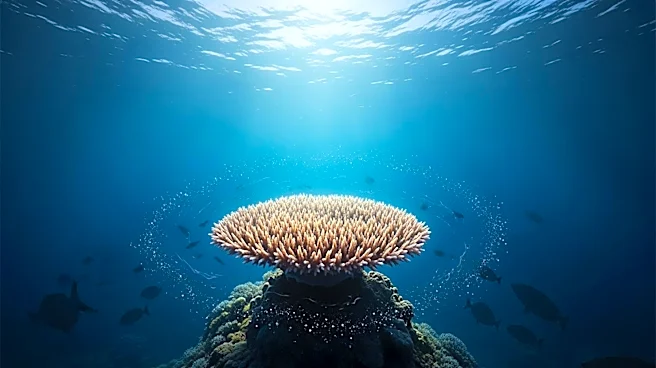
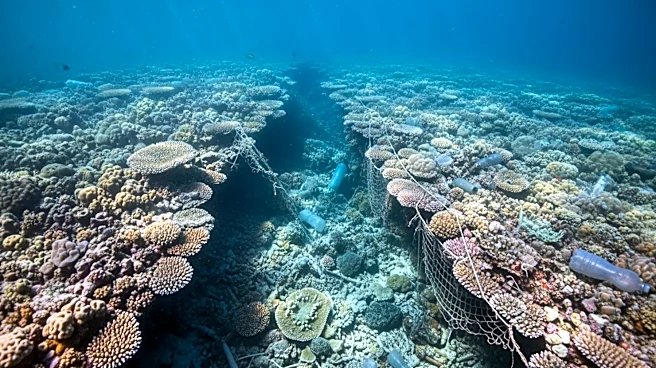
A recent United Nations assessment has revealed a worsening crisis in ocean health, driven by climate change, pollution, overfishing, and biodiversity loss. The report, compiled by 600 scientists from 86 nations, highlights the severe impacts on marine
ecosystems, including rising sea levels, acidifying seas, and declining fish stocks. These changes threaten the stability of climate, biodiversity, food security, and the livelihoods of billions. The assessment underscores the urgent need for coordinated global action to prevent further decline in ocean health.
Why It's Important?
The findings of the UN report are significant as they underscore the critical role oceans play in global climate stability and food security. With 45% of global economic activity occurring on coasts and 3 billion people living near oceans, the health of marine ecosystems is directly linked to human survival. The report warns that without immediate action, the decline in ocean health could have catastrophic effects on climate stability, biodiversity, and food security, affecting billions of people worldwide.
What's Next?
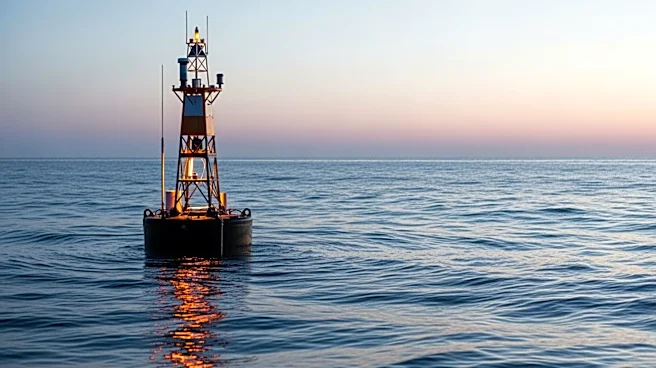
The report calls for urgent, coordinated global action to restore ocean health. This includes reducing pollution, managing overfishing, and implementing international policies to protect marine biodiversity. The ratification of the UN high seas biodiversity treaty offers a framework for creating marine protected areas, which could help mitigate some of the damage. However, the dismantling of ocean sensors by the Trump administration poses a challenge to monitoring and addressing these issues effectively.