



What's Happening?
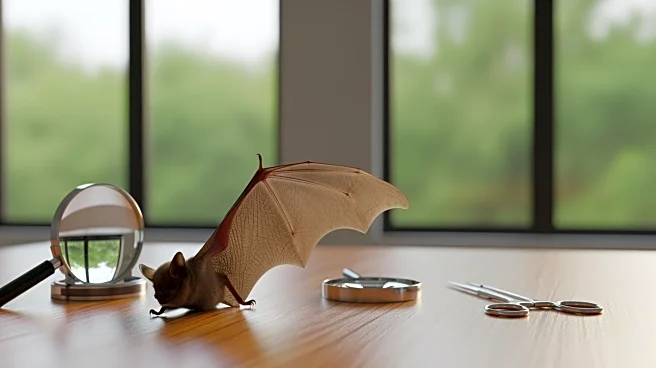
In the Atherton Tablelands of eastern Australia, a unique hospital is dedicated to treating spectacled flying foxes affected by paralysis ticks. These ticks, which are prevalent across eastern Australia, seem to specifically impact the spectacled flying foxes in this
region. The hospital, known as Tolga Bat Hospital, provides care for these bats, which are often found on the ground during tick season from October to December. The hospital treats infected bats with an anti-toxin, and many of the orphans are cared for due to their mothers being affected by the ticks. The spectacled flying foxes are endangered and face multiple threats, including tick paralysis, entanglement in barbed wire, cleft palate syndrome, and climate change-induced heat waves.
Why It's Important?
The work of the Tolga Bat Hospital is crucial in preserving the spectacled flying fox population, which plays a significant role in pollinating plants and dispersing seeds. The hospital's efforts highlight the broader environmental challenges faced by wildlife due to human-induced changes, such as climate change and habitat disruption. The spectacled flying foxes are essential for maintaining ecological balance, and their decline could have cascading effects on the ecosystem. The hospital's work also underscores the need for increased awareness and support for less popular species that are vital to biodiversity.
What's Next?
The hospital will continue its efforts to treat and rehabilitate spectacled flying foxes, especially during the tick season. There is a need for further research to understand why these ticks specifically affect the spectacled flying foxes in the Atherton Tablelands. Additionally, addressing broader environmental issues such as climate change and habitat destruction will be crucial in ensuring the long-term survival of these bats. Increased public awareness and support for conservation efforts are necessary to protect these and other vulnerable species.
Beyond the Headlines
The plight of the spectacled flying foxes highlights the ethical responsibility humans have towards wildlife conservation. The hospital's work raises questions about the prioritization of conservation efforts and the need to support species that may not be as charismatic as others but are equally important to the ecosystem. The challenges faced by these bats also reflect broader issues of environmental justice and the impact of human activities on vulnerable species.