






What's Happening?
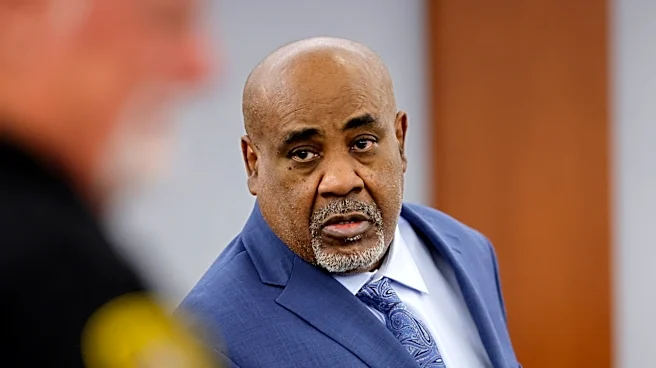
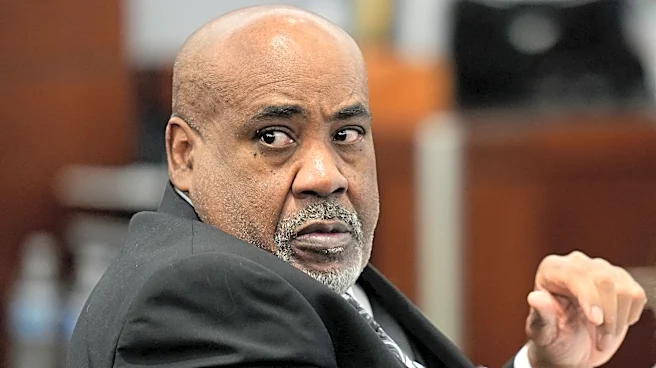
Duane 'Keffe D' Davis, a former gang leader, is currently on trial, accused of orchestrating the 1996 drive-by shooting that killed rapper Tupac Shakur in Las Vegas. Jurors were presented with an audio recording from a 2008 police interview where Davis explicitly
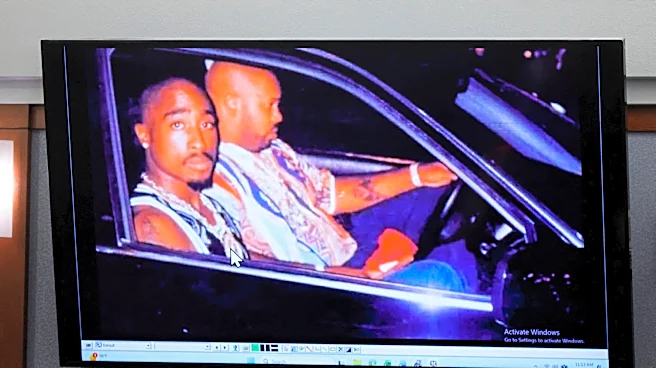
stated that his nephew, Orlando 'Baby Lane' Anderson, fired the fatal shots. Davis, who was also in the car with Anderson and two other men, described how their white Cadillac pulled alongside the vehicle carrying Shakur and hip-hop mogul Marion 'Suge' Knight. According to Davis, he passed his gun to Deandre 'Big Dre' Smith, who declined it, before Anderson took the weapon and began shooting. This 2008 interview marks the first time Davis directly discussed his involvement with authorities, and prosecutors are heavily relying on these admissions, along with statements from his 2019 memoir 'Compton Street Legend' and podcast interviews, as key evidence in the state's case against him. Davis has pleaded not guilty, with his lawyer arguing that Davis's statements were 'full of crap' and that investigators failed to corroborate them with evidence.
Why It's Important?
This trial represents a significant development in one of the most enduring unsolved mysteries in music history, nearly three decades after Tupac Shakur's death. Shakur remains a cultural icon, and the resolution of his murder case carries immense weight for his legacy, his family, and his millions of fans. The trial's focus on Davis's own admissions, particularly the 2008 police interview, highlights the complexities of cold cases and the role of self-incrimination in legal proceedings. The defense's strategy of discrediting Davis's past statements raises questions about the reliability of confessions, especially those made under perceived confidentiality. Furthermore, the case sheds light on the historical context of gang violence in the 1990s hip-hop scene, with prosecutors alleging the shooting was retaliation for an earlier attack on Anderson. The outcome of this trial could set a precedent for how law enforcement pursues and prosecutes long-dormant cases, particularly those involving high-profile figures and complex criminal networks.
What's Next?
The trial of Duane Davis is ongoing, with jurors continuing to hear evidence, including the crucial audio recordings of Davis's statements to police. The defense will likely continue to challenge the credibility of these admissions and the overall prosecution narrative. The court will need to determine the admissibility and weight of Davis's past statements, especially given the initial assurances of confidentiality during the 2008 interview. If convicted, Davis could face a lengthy prison sentence, potentially bringing a long-awaited sense of closure to Shakur's family and fans. Regardless of the verdict, the trial is expected to reignite public interest in Tupac Shakur's life and death, potentially leading to new documentaries, books, or discussions about his enduring impact on music and culture. The legal proceedings may also prompt further scrutiny into the investigative practices surrounding high-profile cold cases.
Beyond the Headlines
The trial of Duane Davis transcends the immediate legal proceedings, delving into the broader themes of justice delayed, the nature of fame, and the enduring impact of violence within the music industry. Tupac Shakur's murder has long been shrouded in conspiracy theories and speculation, and this trial offers a potential, albeit belated, narrative of accountability. The use of Davis's own words, recorded years after the event, raises ethical and legal questions about the boundaries of confidentiality in police interviews and how such agreements can be nullified by subsequent public disclosures. This case also underscores the profound and lasting effects of violence on individuals, families, and cultural movements. Shakur's continued status as a cultural icon, decades after his death, highlights how certain figures transcend their mortal lives, their stories becoming integral parts of collective memory. The trial's outcome will not only address a specific crime but also contribute to the historical understanding of a pivotal era in American music and society.