





What's Happening?
The National Weather Service has issued an extreme heat warning for Southern California, particularly affecting the Los Angeles region. Temperatures are expected to rise significantly, with some areas experiencing highs between 90 to 110 degrees Fahrenheit.
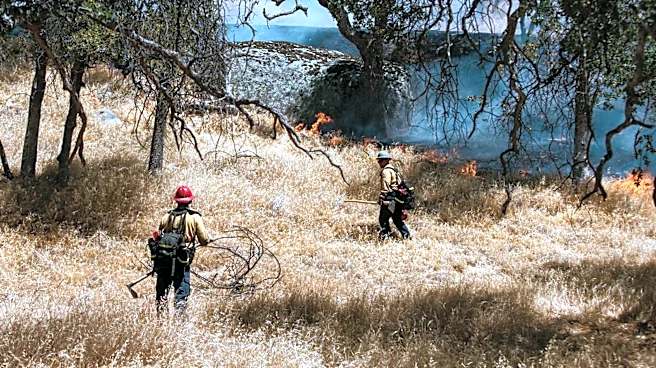
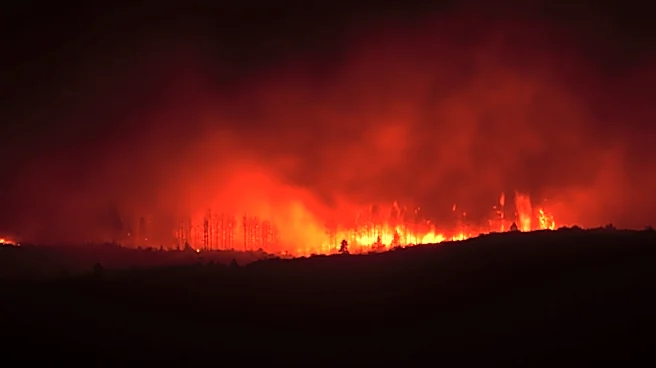
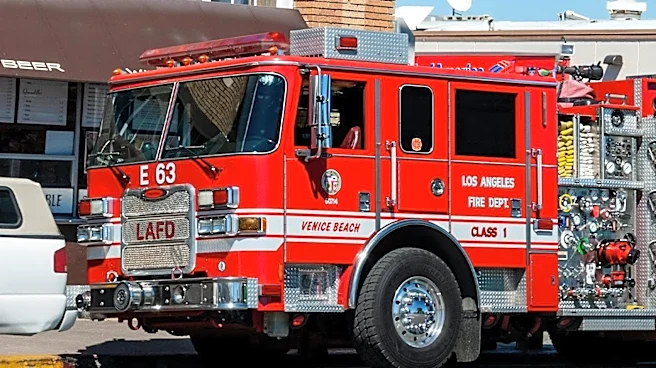
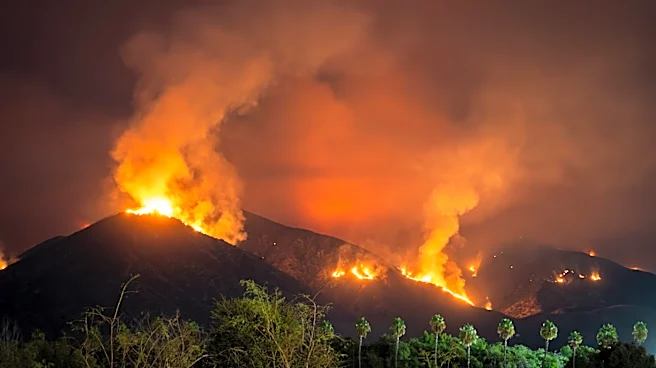
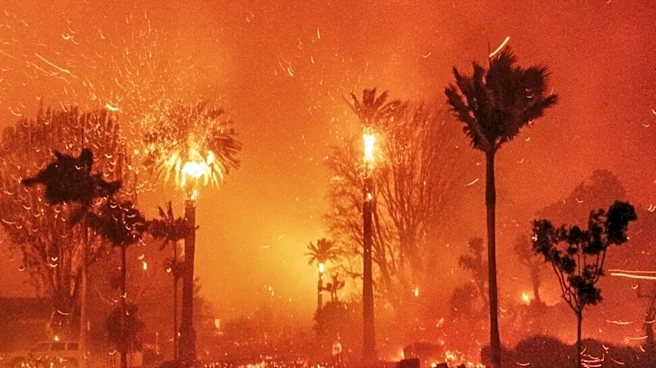
The heat wave is anticipated to last until Thursday evening, with the hottest conditions expected in the San Fernando Valley and Antelope Valley, where temperatures could reach up to 110 degrees. The heat is exacerbated by humid conditions, which may worsen its impacts. The ongoing heat wave has also increased the risk of wildfires, with several already reported in the state, including a new one in Los Angeles County. Public health officials are warning of the increased likelihood of heat-related illnesses, such as heat exhaustion and heatstroke, and are advising residents to stay hydrated, wear light clothing, and check on vulnerable neighbors.
Why It's Important?
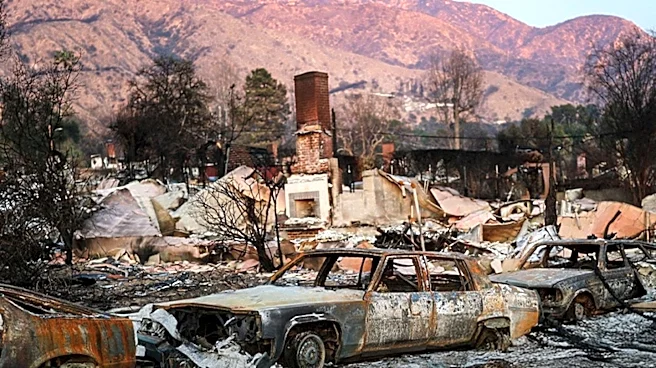
The extreme heat wave poses significant health risks, particularly to vulnerable populations such as the elderly, children, and those without access to air conditioning. Heat-related illnesses can lead to serious health complications and even fatalities if not addressed promptly. Additionally, the heat wave increases the risk of wildfires, which can cause widespread damage to property and natural resources, as well as pose further health risks due to smoke inhalation. The economic impact is also notable, as high temperatures can lead to increased energy consumption and strain on the power grid, potentially resulting in power outages. The situation underscores the importance of preparedness and the need for effective public health and safety measures to mitigate the impacts of extreme weather events.
What's Next?
As the heat wave continues, local authorities and public health officials are likely to maintain and possibly extend heat warnings. Residents are encouraged to follow safety guidelines, such as staying indoors during peak heat hours and utilizing cooling centers if necessary. Firefighting efforts will continue to be a priority to manage and contain any new or existing wildfires. The situation may prompt discussions on long-term strategies to address the increasing frequency and intensity of heat waves, potentially influencing public policy on climate change and urban planning to better protect communities from extreme weather events.