





What's Happening?
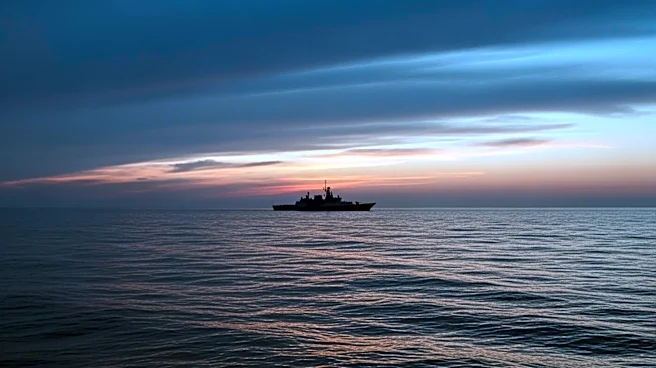
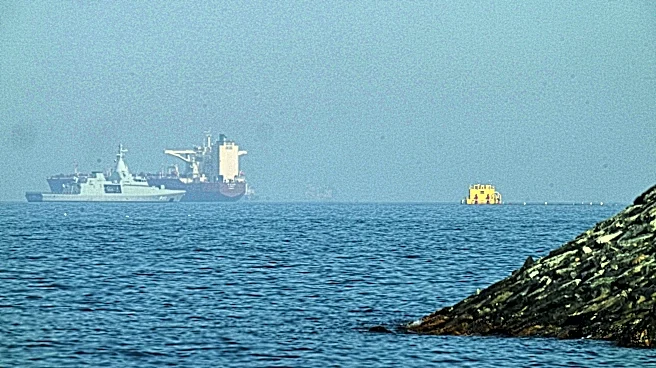
President Trump's initiative, 'Project Freedom,' aimed at reopening the Strait of Hormuz, has encountered significant challenges due to a lack of support from key Gulf allies. Saudi Arabia, a critical partner, refused to allow the use of its Prince Sultan
Airbase for the operation, citing concerns over potential Iranian retaliation and the lack of clear engagement terms. This decision forced President Trump to pause the operation, highlighting the complexities of U.S. military strategy in the region. The situation is further complicated by the broader geopolitical landscape, including tensions with Iran and the strategic interests of other Gulf states.
Why It's Important?
The challenges faced by 'Project Freedom' underscore the intricate geopolitical dynamics in the Middle East and the difficulties the U.S. encounters in securing cooperation from its allies. Saudi Arabia's refusal to support the operation reflects its cautious approach to regional conflicts and its desire to avoid direct confrontation with Iran. This development also highlights the broader implications for U.S. foreign policy, as it navigates its relationships with key regional players while attempting to maintain stability and secure vital shipping routes. The situation illustrates the potential for further diplomatic and military challenges as the U.S. seeks to assert its influence in the region.
What's Next?
The U.S. may need to explore alternative strategies to achieve its objectives in the region, potentially involving increased diplomatic efforts to address the underlying tensions. The situation also raises questions about the future of U.S.-Saudi relations and the broader implications for regional stability. As the U.S. reassesses its approach, it will need to carefully manage its relationships with both Saudi Arabia and other Gulf allies to ensure continued cooperation and support.